4214 Milwaukee Street, Madison, WI 53714

Summer Heat Safety Tips for Dogs and Cats at Home
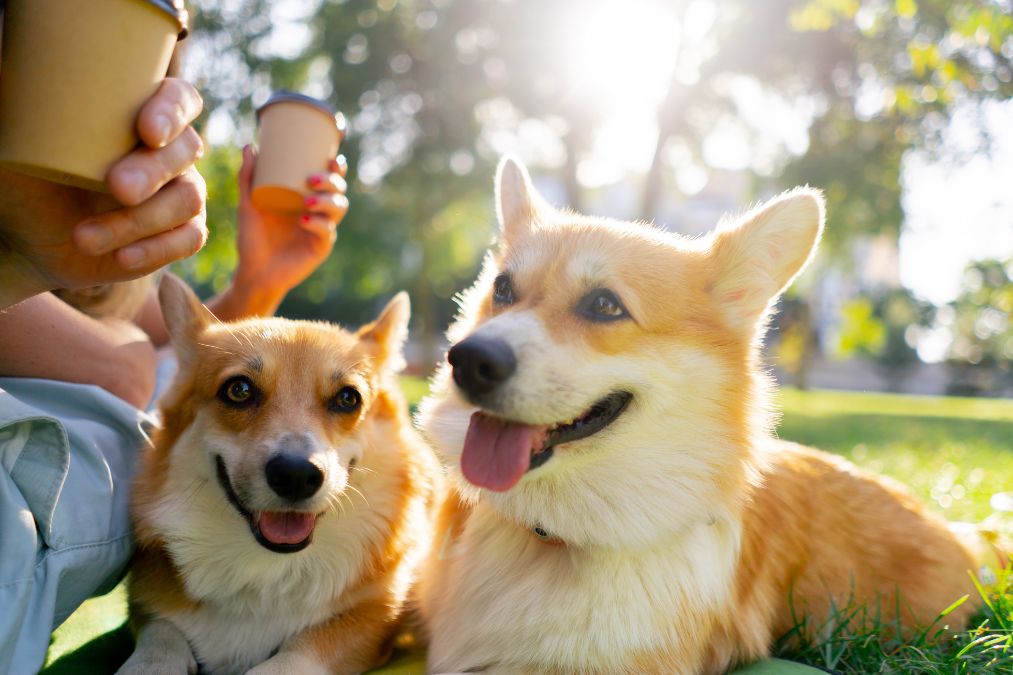
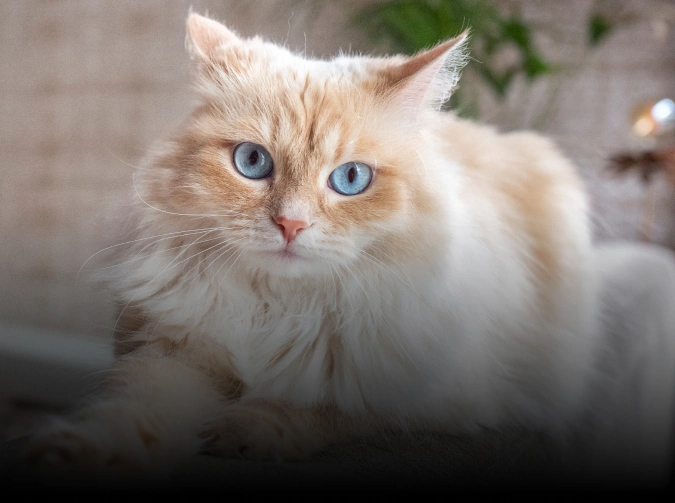
Summer brings longer days, warmer air, and more time at home with your pets. It also increases the risk of overheating, dehydration, and discomfort for dogs and cats. This guide shares practical, easy-to-follow summer safety tips for pets that help you create a cooler indoor environment, recognize early warning signs, and take preventive steps before problems arise.
You will learn how to manage temperature, hydration, grooming, and daily routines while keeping your pet comfortable and safe throughout the season in Madison.
Understanding How Heat Affects Pets
Dogs and cats do not cool down the same way humans do. Dogs rely on panting, while cats use grooming and limited sweating through their paws. High indoor temperatures can quickly make them uncomfortable. Humidity adds another layer of stress, making it harder for pets to regulate body temperature.
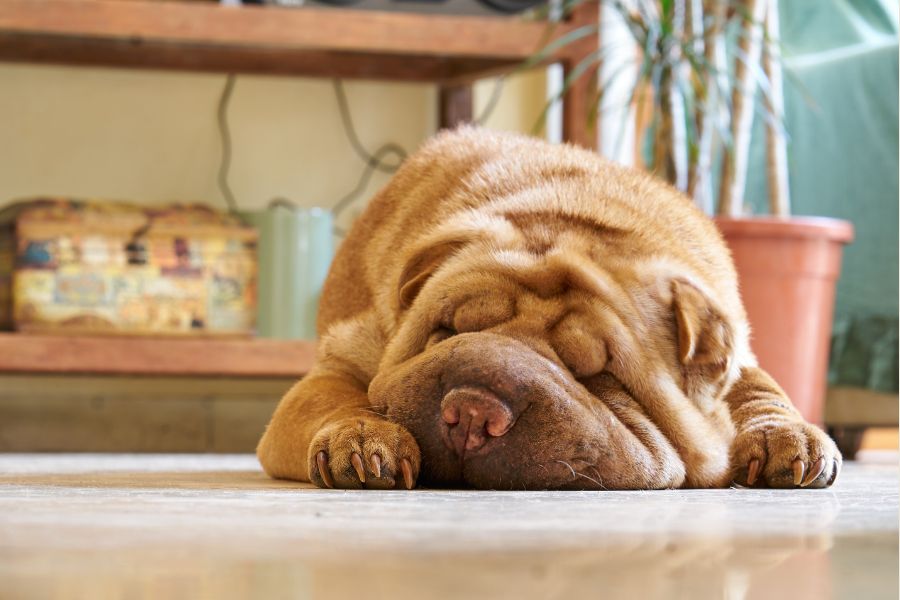
Flat-faced breeds, senior pets, overweight animals, and those with thick coats are more sensitive to heat. Even a well-ventilated home can become too warm during peak afternoon hours. Awareness is the first step toward prevention.
Creating a Cool and Safe Indoor Environment
1. Maintain a Comfortable Temperature
Keep your home cool using fans, air conditioning, or proper ventilation. Close blinds or curtains during the hottest parts of the day to block direct sunlight. Tile floors or shaded corners naturally stay cooler and provide a comfortable resting spot.
2. Provide Cooling Zones
Designate specific areas where your pet can relax. Cooling mats, damp towels, or elevated beds improve airflow and help regulate body temperature. Cats often prefer quiet, shaded areas, while dogs may stretch out on cool surfaces.
3. Limit Heat Exposure
Avoid letting pets stay in rooms that trap heat, such as enclosed balconies or poorly ventilated spaces. Ensure constant airflow in every area your pet can access.
Hydration Is Essential
Fresh water should always be available and easily accessible. Place multiple water bowls around your home to encourage frequent drinking. Some pets prefer running water, so pet fountains can be helpful.
Add a few ice cubes to keep the water cool during extremely warm days. Monitor how much your pet drinks, as reduced intake can signal discomfort or illness.
In the middle of the season, reinforcing summer safety tips for pets helps maintain consistent hydration habits and prevents avoidable heat-related issues.
Adjusting Daily Routines
1. Modify Activity Levels
Limit indoor play sessions during peak heat hours. Choose early morning or late evening for more active play. Short, gentle activities prevent overheating while still keeping pets engaged.
2. Feeding Adjustments
Serve smaller, lighter meals if your pet seems less interested in food. Wet food options can support hydration, especially for cats.
3. Grooming and Coat Care
Regular brushing helps remove excess fur and improves air circulation near the skin. Avoid shaving unless recommended, as a pet’s coat provides natural protection against heat.
Recognizing Signs of Heat Stress
Early detection can prevent serious complications. Watch for these common signs:
- Excessive panting or drooling
- Lethargy or weakness
- Vomiting or loss of appetite
- Red or pale gums
- Unusual restlessness
If these symptoms appear, move your pet to a cooler area immediately and provide water. Use a damp cloth to gently cool their body. Seek guidance from a veterinarian near you if symptoms persist or worsen.
Safe Indoor Enrichment During Summer
Keeping pets mentally stimulated without increasing heat exposure is important.
1. Interactive Toys
Puzzle toys and treat dispensers keep pets engaged without requiring high physical activity.
2. Calm Play Sessions
Gentle games like hide-and-seek with treats or soft toy play keep pets entertained while minimizing exertion.
3. Comfortable Rest Periods
Ensure your pet has uninterrupted rest time. Overstimulation in a warm environment can lead to fatigue.
Special Care for Different Pets
1. Dogs
Dogs often show discomfort more visibly. Ensure they have space to lie down comfortably and avoid thick bedding during summer.
2. Cats
Cats may hide signs of heat stress. Monitor their behavior closely and ensure they stay hydrated. Provide shaded, quiet resting areas.
3. Multi-Pet Homes
Ensure each pet has access to water and cool resting spots. Competition for resources can increase stress and discomfort.
When to Seek Professional Help
Some situations require immediate attention. Persistent symptoms, sudden behavioral changes, or signs of severe overheating should not be ignored. A quick response can prevent complications and ensure your pet’s safety.
Local Considerations for Summer Care
Madison summers can bring fluctuating temperatures, with warm afternoons and humid conditions. Homes without consistent cooling systems may experience indoor heat buildup. Monitoring indoor temperature changes throughout the day helps maintain a safe environment.
Local pet owners often rely on simple adjustments such as improved airflow, shaded windows, and routine hydration checks. These small efforts make a noticeable difference in keeping pets comfortable.
Preventive Habits for Long-Term Safety
Consistency plays a key role in protecting pets during summer. Simple habits such as checking water levels, monitoring room temperature, and observing behavior create a strong foundation for safety.
Avoid sudden changes in routine, as pets adapt better to gradual adjustments. Maintain a predictable schedule for feeding, play, and rest.
Conclusion
Caring for your pets during summer starts with awareness and simple daily actions. By creating a cool indoor environment, maintaining hydration, adjusting routines, and recognizing early signs of discomfort, you can prevent heat-related issues and keep your pets comfortable. These practical summer safety tips for pets support a safe and stress-free season at home.
If you notice unusual symptoms or need guidance, do not hesitate to book an appointment with a trusted professional who can assess your pet’s condition and provide timely care.
Reach out to our Madison facility at 4214 Milwaukee St, Madison, WI 53714—where compassionate care and community come together for your pet’s well-being.
Frequently Asked Questions(FAQs):
1. How can I tell if my pet is overheating indoors?
Pets may show signs such as excessive panting, drooling, weakness, or restlessness. Cats may become unusually quiet. Monitoring behavior changes helps identify overheating early and allows you to act quickly before symptoms worsen.
2. How often should I change my pet’s water during summer?
Water should be refreshed at least two to three times daily. Clean bowls regularly to ensure freshness. Adding ice cubes can help maintain a cooler temperature and encourage pets to drink more frequently.
3. Is it safe to use fans for pets at home?
Fans improve airflow but may not fully cool pets. Combine fans with shaded areas and hydration. Ensure your pet has access to cooler surfaces and avoid relying solely on airflow during very warm days.
4. Should I adjust my pet’s diet during summer?
Yes, lighter meals and wet food options can support hydration. Some pets may eat less during heat. Monitor appetite and ensure they maintain adequate nutrition without forcing large portions.
5. Are cooling mats effective for pets?
Cooling mats provide a comfortable surface that helps regulate body temperature. They are especially useful for pets that struggle with heat. Place them in shaded, quiet areas where your pet prefers to rest.
6. When should I contact a professional for heat-related concerns?
If your pet shows persistent symptoms like vomiting, extreme lethargy, or difficulty breathing, seek immediate help. Early intervention from a veterinarian near you ensures proper care and prevents serious complications.