4214 Milwaukee Street, Madison, WI 53714


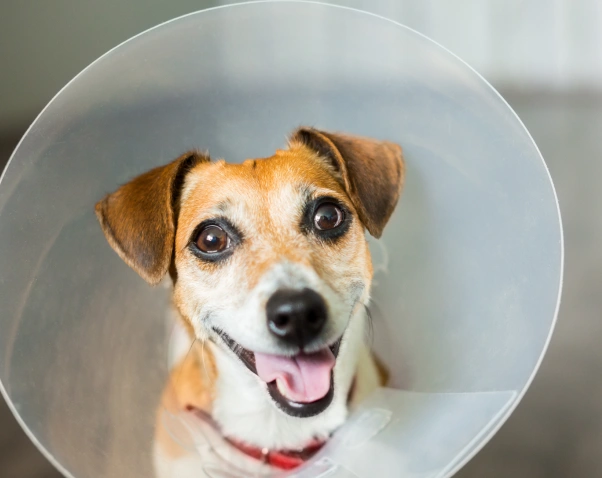
Surgical Care Focused on Comfort
Truesdell Animal Care Hospital and Clinic is experienced in a wide array of general surgical procedures. We recognize that deciding to have surgery on your pet is stressful. To ensure your pet is as safe as possible, we require a pre-operative exam and blood work prior to the procedure. The day of the procedure, our team provides meticulous attention to your pet's anesthesia, discomfort, and vitals throughout the entire process, from pre-op to recovery.
General & Advanced Surgery
Spaying
A spay is a routine surgical procedure that involves the removal of a female’s reproductive organs. While it is most commonly known as a way to prevent pregnancy, it is also one of the most effective ways to ensure your dog lives a long, healthy life.
Key Benefits of Spaying
- Disease Prevention: Spaying eliminates the risk of pyometra (a life-threatening uterine infection)
- Reduces cancer risk: Spaying significantly reduces the chance of developing mammary (breast) tumors and other reproductive cancers.
- Elimination of Heat Cycles: You will no longer have to manage the "heat" cycle, which can cause spotting, restlessness, and the attraction of unwanted male dogs to your home.
- Behavioral Stability: Many owners find that spayed dogs are less likely to roam or experience the hormonal mood swings associated with estrus.
- Community Health: Spaying is a responsible choice that helps reduce pet overpopulation and the number of homeless animals in shelters.
Neutering
A neuter or castration, is a routine surgical procedure for male dogs that involves the removal of the testicles. Beyond being a responsible choice for population control, neutering provides significant medical and behavioral benefits that can help your dog live a longer, more balanced life.
Key Benefits of Neutering
- Disease Prevention: Neutering eliminates the risk of testicular cancer—the second most common cancer in intact male dogs—and significantly reduces the risk of non-cancerous prostate enlargement and infections.
- Reduced Roaming: Intact males often have a strong instinct to seek out a mate, leading them to escape yards or bolt through open doors. Neutering reduces this urge, keeping your dog safe at home and away from traffic or fights.
- Behavioral Improvements: By lowering testosterone levels, neutering can decrease undesirable behaviors such as territorial urine marking in the house and inappropriate mounting.
Gastropexy
This is a preventative surgery where the stomach is tacked to the abdominal wall. This protects dogs against a life threatening condition called a GDV (gastric dilation-volvulus), sometimes called bloat or a twisted stomach.
Large breed dogs and dogs with deep chests are at a higher risk for GDV’s compared to smaller breeds. A few risk breeds: Great Danes, German Shepherds, Standard Poodles, Dobermans, Weimaraners, and Irish Setters.
Mass Removals
Discovering a new lump on your dog can be a source of anxiety. While many "lumps and bumps" are simply a part of the aging process, early identification and surgical intervention are the most effective ways to ensure your pet's long-term health.
A mass removal, or surgical excision, is a procedure where your veterinarian removes an abnormal growth from the skin or underlying tissue. In many cases, this is the most direct way to achieve a diagnosis and provide treatment simultaneously.
Bladder Stone Removal
Bladder stone removal, also known as a cystotomy, is a surgical procedure where urinary stones are removed from the bladder. While it may sound intimidating, it is a common and highly effective surgery used to resolve painful urinary issues that cannot be managed with medication or diet alone.
Foreign Body Removal
Dogs and cats are naturally curious, and sometimes that curiosity leads them to swallow things they shouldn't. A foreign body refers to any non-food object—such as a toy, sock, rock, or string—that becomes stuck in your pet's digestive tract.
When an object cannot pass naturally, it creates an obstruction. This is a serious medical condition that can cut off blood flow to the intestines or lead to a life-threatening perforation (a tear in the digestive tract). In some cases, surgical removal is the only treatment to help save your pets life.
Enucleations
This is the surgical removal of the eye. This procedure is typically performed if the eye is blind or non-visual and painful. Common reasons for enucleation include glaucoma, ocular tumors, trauma, or severe infection.