4214 Milwaukee Street, Madison, WI 53714


Dog Flea Control: Best Treatments to Eliminate Fleas Fast
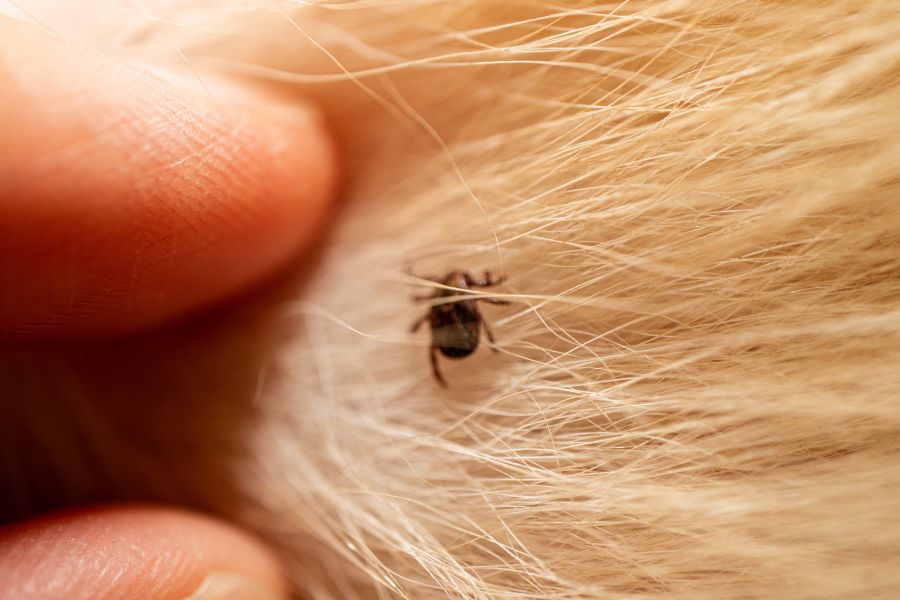
Fleas can turn a happy, healthy dog into a restless and uncomfortable pet within days. These tiny parasites multiply quickly, spread through your home, and can even affect your family. If you’ve noticed your dog scratching more than usual or found small black specks in their coat, it’s time to act.
This guide explains what to do if your dog has fleas, how to eliminate them fast, and how to prevent them from coming back. Everything is broken down into clear, practical steps so you can make confident decisions.
Understanding the Flea Problem
Fleas are more than a minor nuisance. They feed on your dog’s blood and can cause skin irritation, allergic reactions, and even infections. In severe cases, they may lead to anemia, especially in puppies or smaller dogs.
A single flea can lay dozens of eggs in a short time. These eggs fall into carpets, furniture, and bedding, making the infestation harder to control if not addressed early.
Common Signs Your Dog Has Fleas
- Constant scratching or biting at the skin
- Red or irritated skin
- Hair loss in patches
- Flea dirt (tiny black specks)
- Visible fleas moving through the coat
If you notice these signs, don’t wait. Acting early makes treatment much easier.
What to Do If Your Dog Has Fleas
When fleas appear, quick action matters. The goal is to treat your dog, eliminate fleas in your home, and prevent reinfestation.
Step 1: Start With Immediate Relief
Your dog needs fast relief from itching and irritation.
- Use a flea comb to remove visible fleas
- Bathe your dog with a gentle flea shampoo
- Focus on areas like the neck, tail base, and belly
This step won’t solve the entire problem, but it helps reduce the number of fleas right away.
Best Treatments to Eliminate Fleas Fast
There are several proven treatment options. Choosing the right one depends on your dog’s age, health, and lifestyle.
1. Topical Flea Treatments
Topical treatments are applied directly to your dog’s skin, usually between the shoulder blades.
Benefits:
- Long-lasting protection (often 30 days)
- Kills fleas at multiple life stages
- Easy to apply
These treatments spread through your dog’s natural oils and start working within hours.
2. Oral Flea Medications
Oral medications are one of the fastest ways to kill fleas.
Benefits:
- Begin killing fleas within 30 minutes to a few hours
- No residue on your dog’s coat
- Useful for severe infestations
Many veterinarians recommend oral treatments when you need rapid results.
3. Flea Collars
Modern flea collars are more advanced than older versions.
Benefits:
- Provide long-term protection (up to several months)
- Release active ingredients gradually
- Help prevent reinfestation
They work best as part of a broader flea control plan.
4. Flea Shampoos and Sprays
These are helpful for immediate control.
Benefits:
- Kill fleas on contact
- Soothe irritated skin
- Easy to use during bathing
They don’t offer long-term protection, so they should be combined with other treatments.
Treating Your Home: A Critical Step
If you only treat your dog, fleas will return. Eggs and larvae live in your environment, not just on your pet.
Key Areas to Focus On
- Carpets and rugs
- Upholstered furniture
- Dog bedding
- Cracks in floors or baseboards
Effective Home Treatment Steps
- Vacuum daily for at least one week
- Wash all bedding in hot water
- Use a pet-safe flea spray for carpets and furniture
- Dispose of vacuum bags immediately
Consistency is key. Missing this step is one of the most common reasons infestations come back.
Natural vs. Chemical Treatments: What Works Best?
Pet owners often wonder if natural remedies are enough.
Natural Options
- Apple cider vinegar sprays
- Essential oil blends (used carefully)
- Herbal flea powders
These may help repel fleas, but usually won’t eliminate a full infestation.
Veterinary-Recommended Treatments
Prescription or vet-approved products are more reliable. They are tested for safety and effectiveness.
A balanced approach works best: use proven treatments for elimination and gentle methods for maintenance.
Preventing Fleas in the Future
Once you’ve handled the current problem, prevention becomes your priority.
1. Monthly Preventatives
- Topical treatments
- Oral medications
- Flea collars
These keep fleas from returning.
2. Regular Grooming
- Brush your dog weekly
- Check for flea dirt or skin irritation
- Bathe when needed
3. Maintain a Clean Home
- Vacuum regularly
- Wash pet bedding often
- Keep outdoor areas tidy
Preventive care is much easier than dealing with another infestation.
When to See a Veterinarian
Some flea problems require professional guidance.
Seek help if:
- Your dog shows signs of a severe skin infection
- There is excessive hair loss
- Your dog seems weak or lethargic
- Fleas keep returning despite treatment
A veterinarian can recommend stronger treatments or identify underlying issues.
Common Mistakes to Avoid
Avoiding these mistakes will save time and frustration:
- Treating only the dog and not the home
- Skipping follow-up treatments
- Using products not meant for dogs
- Mixing treatments without guidance
Stick to a clear plan and follow product instructions carefully.
Quick Action Plan
If you’re overwhelmed, follow this simple checklist:
- Bathe and comb your dog
- Start a fast-acting flea treatment
- Clean your home thoroughly
- Use ongoing prevention
This covers all stages of the flea life cycle.
Conclusion: Take Control Before Fleas Take Over
Fleas spread fast, but they are manageable with the right approach. Acting early makes a big difference in how quickly you can resolve the problem.
If you’ve been wondering what to do if your dog has fleas, the answer is simple: treat your dog, clean your home, and stay consistent with prevention. Each step works together to break the flea life cycle.
Taking these actions protects your dog’s comfort and your home environment. If you need more guidance on parasite prevention and care, take a moment to visit our website for helpful resources and practical support.
Your dog depends on you for relief. Start today and stop fleas before they become a bigger problem.
FAQs About Dog Flea Control
1. Do I need to treat my home if my dog has fleas?
A: Yes. Flea eggs and larvae live in your home. Without cleaning your environment, fleas will return even after treating your dog.
2. What kills fleas on dogs immediately?
A: Fast-acting oral medications and flea shampoos can kill fleas quickly. Oral treatments often begin working within hours.
3. What to do immediately if my dog has fleas?
A: Start with a flea bath, use a flea comb, and begin a veterinarian-approved treatment. Clean your home at the same time to stop the spread.
4. Do I need to wash my bedding if my dog has fleas?
A: Yes. Wash all pet and human bedding in hot water to remove fleas and eggs.
5. What kills 100% of fleas in the house?
A: There is no single-step solution. A combination of vacuuming, washing fabrics, and using flea sprays or treatments is needed for full control.
6. Can I still cuddle my dog if he has fleas?
A: You can, but take precautions. Fleas may transfer to your clothing or furniture. Treat your dog and home as soon as possible.