4214 Milwaukee Street, Madison, WI 53714


Exotic Pet Veterinary Care: What Species We See and What to Expect at the Vet
Many households now include reptiles, birds, rabbits, ferrets, and other unusual companions. These animals need specialized attention, gentle handling, and consistent health monitoring. Exotic pet veterinary care focuses on the unique habits, diets, and living conditions of species that differ from cats and dogs.
This guide explains the types of pets commonly seen, what takes place during appointments, how owners can prepare, and why regular visits matter for long-term wellness. You will also learn what signs may indicate illness, what questions to ask during a visit, and how professional guidance supports responsible ownership.
Why Exotic Pets Need Specialized Attention
Exotic animals often hide signs of illness. Small behavior changes may signal discomfort, stress, or disease. Appetite shifts, unusual movement, feather damage, shell issues, or breathing changes can point to underlying concerns.
Each species also has different environmental needs. Heat, humidity, lighting, enclosure size, and nutrition affect daily health. A simple mistake in habitat setup may lead to serious complications over time.
Routine visits allow pet owners to discuss feeding routines, habitat conditions, exercise, and behavior patterns. A trained professional can identify concerns before they become severe. Many clinics offering exotic pet care also provide wellness exams, nutritional guidance, parasite testing, and diagnostic support.
Species Commonly Seen During Exotic Animal Appointments
1. Birds
Parrots, cockatiels, canaries, and finches require regular exams to monitor weight, feather quality, beak growth, and respiratory health. Birds are sensitive to environmental stress. Clean cages, proper diets, and mental stimulation play major roles in their well-being.
2. Reptiles
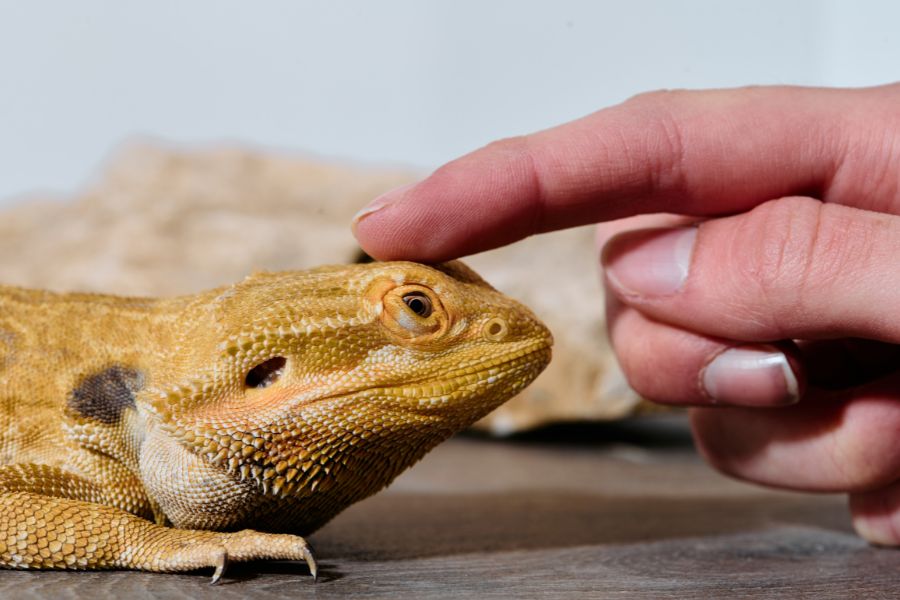
Snakes, turtles, tortoises, geckos, and bearded dragons often need support related to heating and lighting conditions. Skin problems, shedding difficulties, poor appetite, and metabolic concerns are common reasons for visits.
3. Rabbits and Guinea Pigs
Small mammals need dental monitoring, weight checks, and digestive support. Overgrown teeth and poor nutrition may create serious discomfort. Gentle handling during exams helps reduce fear and stress.
4. Ferrets and Hedgehogs
Ferrets and hedgehogs benefit from wellness screenings and parasite prevention. Skin irritation, lethargy, and digestive changes should never be ignored. Early treatment supports better recovery outcomes.
What to Expect During the Appointment
The first visit usually begins with a detailed conversation about the pet’s routine. Owners may discuss diet, enclosure setup, sleeping habits, activity levels, and recent behavior changes.
A physical examination follows. The doctor checks body condition, skin or feather quality, eyes, ears, breathing, and movement. Some pets may require weight tracking, nail trimming, or diagnostic testing.
Diagnostic tools may include fecal testing, bloodwork, or imaging. These evaluations help identify infections, nutritional deficiencies, or internal concerns. Clear explanations help owners understand each recommendation.
Pet owners should bring photos of the enclosure, a list of foods offered, and details about supplements or heating equipment. Accurate information helps create better care plans.
Preparing Your Exotic Pet for the Visit
Travel preparation can reduce stress during transportation. Secure carriers with soft bedding help small mammals feel protected. Birds should travel in covered carriers with proper airflow.
Reptiles often need stable temperatures during travel. Warm towels or insulated containers may help maintain comfort. Owners should avoid loud environments before appointments.
Feeding schedules matter for some species. Clinics may provide instructions before the visit. Following these directions helps the examination process move smoothly.
Many owners search for a ‘trusted veterinarian near me‘ when concerns first appear. Choosing a clinic familiar with exotic species helps improve communication, safety, and treatment accuracy.
Signs That Should Never Be Ignored
Exotic pets may appear healthy while hiding discomfort. Fast action can make a major difference in treatment success.
Watch for these warning signs:
- Reduced appetite
- Weight loss
- Labored breathing
- Swelling or unusual lumps
- Changes in droppings
- Feather plucking or skin damage
- Trouble moving
- Hiding more than usual
Prompt medical attention supports earlier diagnosis and more effective treatment plans.
Building a Long-Term Care Routine
Regular checkups support healthy development and stronger monitoring over time. Wellness visits create opportunities to adjust diet plans, improve enclosure conditions, and discuss behavior concerns.
Exotic animals often live long lives with proper support. Owners who stay informed about species-specific needs can create safer and healthier home environments.
Clear communication also builds trust between pet owners and medical teams. Questions about nutrition, handling, enrichment, and preventive care deserve honest answers and practical guidance.
Conclusion
Exotic pets deserve attentive care tailored to their species, environment, and behavior patterns. Routine exams, proper nutrition, and informed ownership support healthier lives for birds, reptiles, rabbits, and other unique companions.
If you are located in Madison and searching for a dependable clinic with experience treating unusual pets, feel free to contact our team for compassionate guidance and personalized support.
Frequently Asked Questions(FAQs):
1. What should I bring to my exotic pet appointment?
A: Bring information about your pet’s diet, supplements, enclosure setup, heating equipment, and recent behavior changes. Photos of the habitat can help the clinic understand environmental conditions and identify possible concerns that may affect daily comfort and long-term health.
2. How often should exotic pets receive wellness exams?
A: Most exotic pets benefit from yearly wellness visits. Senior pets or animals with ongoing conditions may need more frequent evaluations. Regular checkups help identify subtle health changes early and allow owners to adjust feeding, habitat, and daily care routines.
3. Do exotic pets require special diets?
A: Yes. Each species has unique nutritional needs based on natural feeding habits and body structure. Poor diets may lead to obesity, vitamin deficiencies, digestive problems, or weak bones. Professional guidance helps owners choose balanced foods and appropriate supplements safely.
4. Why do reptiles need special lighting?
A: Many reptiles rely on ultraviolet lighting to process calcium properly and maintain healthy bone strength. Incorrect lighting setups may contribute to weakness, appetite loss, or metabolic issues. Proper temperature and humidity levels also support normal daily functions and comfort.
5. Can stress affect exotic pet health?
A: Yes. Loud sounds, improper handling, poor enclosure conditions, or sudden environmental changes may create stress for exotic animals. Chronic stress can affect appetite, behavior, immune function, and activity levels. Calm environments and gentle handling support emotional and physical well-being.
6. When should I schedule an urgent appointment?
A: Seek immediate care if your pet stops eating, struggles to breathe, experiences sudden weakness, develops swelling, or shows major behavior changes. Exotic animals often hide illness, so rapid attention may improve treatment options and support safer recovery outcomes.