4214 Milwaukee Street, Madison, WI 53714

How to Prepare Your Home for Pets Before July 4th Fireworks Begin
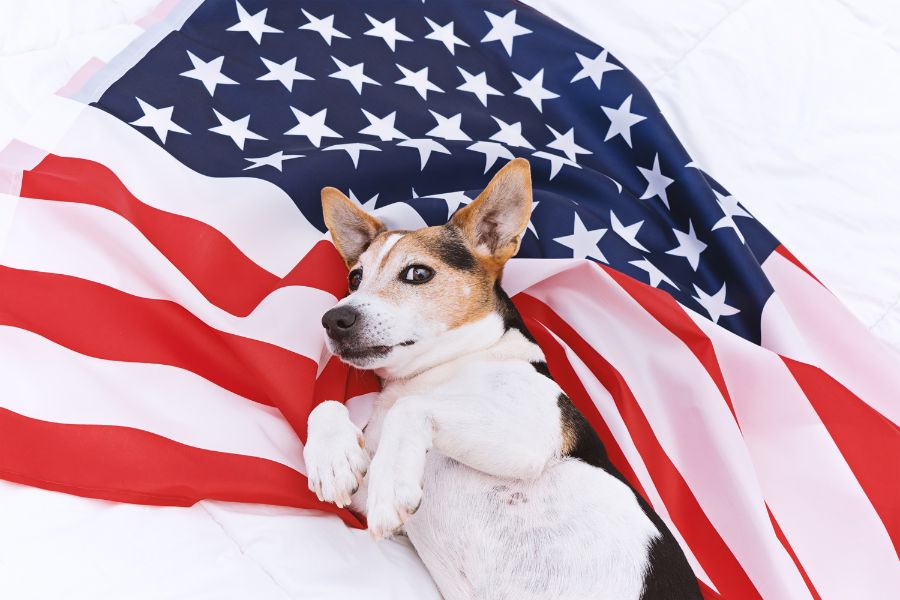
July 4th is a time for backyard celebrations, family gatherings, and spectacular fireworks displays. For many pets, the same evening can become one of the most stressful nights of the year. Loud noises, flashing lights, and unfamiliar activity often create fear that leads to pacing, hiding, excessive barking, or escape attempts.
Preparing your home before the celebrations begin helps your pet feel secure and reduces unnecessary anxiety. This guide explains simple ways to create a safe indoor environment, organize essential supplies, establish a calming routine, and recognize signs of stress before they become overwhelming. A little planning makes Independence Day safer and more enjoyable for everyone. Pet owners in Madison can benefit from taking these precautions well before the first fireworks begin.
Why Fireworks Affect Pets
1. Loud Sounds Feel Different to Animals
Dogs and cats hear sounds at higher frequencies than people. Fireworks produce explosions that seem much louder to them. Bright flashes also create confusion, making many pets believe they are facing danger.
2. Common Signs of Firework Anxiety
Every pet reacts differently. Some hide under furniture, while others bark, whine, tremble, pant, pace, or refuse food. Some pets even try to jump fences or push through doors to escape the frightening sounds.
Create a Safe Indoor Space
1. Choose a Quiet Room
Select the quietest room in your home before guests arrive. Close windows, curtains, and blinds to reduce outside noise and flashing lights. Add your pet’s favorite bed, blankets, and familiar toys to create comfort.
2. Keep Doors Secure
Family members and visitors often move between indoor and outdoor spaces during July 4th celebrations. Keep exterior doors closed whenever possible. Place reminders near entrances so everyone checks before opening the door.
3. Reduce Outside Noise
Turn on a fan, calming music, or the television to help soften the sounds of fireworks. Familiar background noise often helps pets remain calmer throughout the evening.
Update Identification Before the Holiday
One frightened pet can disappear within seconds. Check that your dog’s or cat’s collar fits properly and includes current identification tags. If your pet has a microchip, confirm your contact information is accurate before Independence Day.
Exercise Before the Celebrations
A long walk or active play session earlier in the day helps many dogs release energy before the evening excitement begins. Indoor play works well for cats through interactive toys, climbing structures, or puzzle feeders. A relaxed pet often settles more comfortably during fireworks.
Prepare Comfort Items
Gather everything your pet enjoys before guests arrive.
- Favorite blankets
- Familiar toys
- Fresh drinking water
- Special treats
- Puzzle toys
- Comfortable bedding
Keeping these items nearby provides reassurance throughout the evening.
Manage Your Celebration Schedule
Avoid leaving your pet alone during fireworks if possible. Stay home during the loudest hours or ask a trusted family member to remain with them. Your calm presence often provides the greatest comfort.
Feed your pet before fireworks begin instead of waiting until later in the evening. Regular routines help reduce uncertainty and encourage relaxation.
Watch for Signs of Stress
Some pets display subtle changes before obvious fear appears.
1. Mild Signs
- Lip licking
- Yawning
- Restlessness
- Following owners closely
2. Stronger Signs
- Trembling
- Excessive panting
- Hiding
- Continuous vocalization
- Attempts to escape
Recognizing these behaviors early allows you to respond before anxiety increases.
Avoid Common Mistakes
Never punish your pet for fearful behavior. Anxiety is not disobedience. Stay calm and speak gently instead of forcing interactions.
Avoid bringing pets to fireworks displays. Crowds, loud explosions, unfamiliar smells, and unexpected movements create unnecessary risks that outweigh any potential enjoyment.
Resist introducing new environments on July 4th. Familiar surroundings help pets feel more secure than unfamiliar homes or busy outdoor events.
Help Guests Support Your Pet
Visitors may not realize your pet feels anxious. Let everyone know which room your pet is using and ask them not to disturb or repeatedly check on them. Explain that keeping doors closed protects your pet from escaping.
Children should also understand that frightened animals need quiet space instead of extra attention.
When Extra Help May Be Needed
Some pets experience severe fear every Independence Day despite careful preparation. If your pet has a history of intense anxiety, discuss supportive options with your trusted animal care team before the holiday arrives. Planning gives you enough time to choose an approach that matches your pet’s needs.
If your pet becomes extremely distressed during fireworks or has struggled in previous years, book an appointment before the holiday so you can create a personalized comfort plan.
Conclusion
Preparing your home before July 4th fireworks gives your pet the comfort and security they deserve. Simple changes like creating a quiet room, updating identification, maintaining familiar routines, and recognizing early signs of stress make a meaningful difference. Every pet responds differently, yet thoughtful preparation helps reduce fear and supports a calmer holiday experience. If you’re located in Madison, reach out to Truesdell Animal Care Hospital and Clinic, where compassionate care and community come together to support your pet’s well-being during every season.
Frequently Asked Questions(FAQs):
1. Why are pets afraid of July 4th fireworks?
A: Fireworks produce sudden loud sounds, vibrations, and bright flashes that many dogs and cats interpret as danger. Their sensitive hearing makes the experience far more intense than it feels to people, leading to fear and anxious behaviors.
2. How can I calm my pet during fireworks?
A: Prepare a quiet indoor space with familiar bedding, toys, and soft background noise. Stay calm, maintain your normal routine, and avoid forcing your pet to interact if they choose to hide until the sounds stop.
3. Should I walk my dog during fireworks?
A: No. Plan walks earlier in the day before fireworks begin. Evening walks increase the risk of panic and escape if unexpected fireworks start nearby. Exercise before celebrations helps your dog relax later.
4. Is it okay to leave my pet home alone on July 4th?
A: Many pets become anxious when left alone during fireworks. If possible, stay with your pet or arrange for someone trustworthy to remain at home until the loud celebrations have ended.
5. What should I do if my pet escapes during fireworks?
A: Act quickly by checking nearby areas, contacting local shelters, and notifying neighbors. Updated identification tags and current microchip information greatly improve the chances of a safe reunion after an unexpected escape.
6. When should I seek professional advice for firework anxiety?
A: If your pet experiences severe panic, destructive behavior, repeated escape attempts, or intense fear every Independence Day, consult your animal care provider before the holiday so an appropriate comfort plan can be prepared.