4214 Milwaukee Street, Madison, WI 53714


Why Cats Stop Eating – And When It Needs Immediate Attention
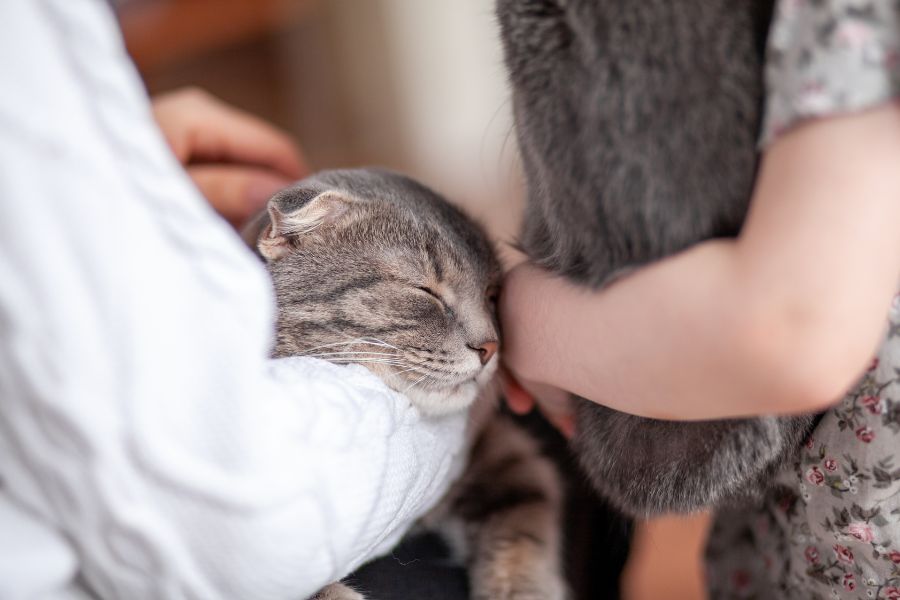
A cat refusing food can have a minor cause, such as stress or a changed meal, yet appetite loss can also signal pain, illness, or an intestinal blockage. This guide covers common causes, warning signs, practical steps, and when prompt help matters. Understanding the difference between a brief appetite change and a serious problem can help you act calmly and quickly when needed in Madison.
Why Do Cats Stop Eating?
Cats can be sensitive about food. A new brand, different bowl, noisy surroundings, travel, visitors, or routine changes may make a cat avoid meals. Stress can reduce interest in food even when the cat otherwise appears normal.
Dental discomfort is another common reason. A sore tooth, inflamed gums, or mouth injury can make chewing uncomfortable. Some cats approach the bowl, sniff, then walk away.
Illness can affect appetite. Digestive upset, kidney problems, infections, liver disorders, pancreatitis, pain, and medication side effects may cause reduced eating.
How Long Can a Cat Go Without Eating?
A cat should not be left without food for an extended period. Cats that eat very little for several days can develop serious metabolic problems, especially those carrying excess weight. The liver may struggle to process stored fat efficiently.
A cat that skips one meal but quickly returns to normal behavior may have a temporary issue. Continued appetite loss deserves attention.
Warning Signs That Need Prompt Attention
Loss of appetite becomes more concerning with other symptoms. Watch for repeated vomiting, diarrhea, unusual sleepiness, hiding, weakness, trouble breathing, a swollen or painful abdomen, pale or yellow gums, difficulty urinating, or sudden behavior changes.
A cat that cannot keep water down, appears severely weak, has trouble breathing, or may have swallowed an object needs immediate assessment. A blocked urinary tract is particularly serious in male cats and requires rapid treatment.
If your cat has stopped eating and you are worried about its condition, seek urgent care for pets rather than waiting for symptoms to worsen.
What You Can Do at Home
Start with simple observations. Check whether your cat is drinking, using the litter box, moving normally, and showing interest in food. Note when the appetite change began and what changed beforehand.
Offer the usual food in a quiet area. Warming wet food slightly can strengthen its aroma. Small portions may feel less overwhelming than a full bowl. Keep water available.
Do not force-feed unless a qualified professional has instructed you. Avoid human medicines or appetite stimulants without guidance. Some substances safe for people can be dangerous to cats.
When to Call for Help
Contact a care team promptly when appetite loss lasts more than a day, particularly if your cat is young, elderly, overweight, or already has another health concern. Earlier guidance can prevent a problem from becoming harder to manage.
Before calling, gather the last normal meal, recent foods, medications, vomiting or stool changes, water intake, urination, and possible exposure to plants, chemicals, string, or other objects.
Clear information helps the care team decide how quickly your cat should be seen and what evaluation may be appropriate.
Call us at 608-244-2555 for prompt urgent care when your cat’s appetite loss is paired with concerning signs.
Helping Prevent Future Appetite Problems
Keep meals consistent, introduce food changes gradually, and provide a calm feeding location. Regular mouth checks can reveal dental discomfort early. Monitoring body weight and eating habits gives you a useful baseline. Pay attention to small changes. Cats often hide discomfort, so a decrease in appetite can be meaningful when it persists or appears with behavioral changes.
Conclusion
A cat refusing food is worth taking seriously without assuming the worst. Stress and food preferences can explain short-lived changes, yet persistent appetite loss or additional symptoms can point to a problem requiring prompt attention. Observe carefully, avoid unsafe home treatments, and contact a care team when your cat’s eating pattern changes significantly.
If you’re located in Madison, reach out to Truesdell Animal Care Hospital and Clinic, where compassionate care and community come together to support your pet’s well-being. Acting early can give your cat a better chance to return to comfortable eating and normal routines.
Frequently Asked Questions(FAQs):
1. Why is my cat not eating but still drinking water?
A: Cats may continue drinking while avoiding food because of stress, nausea, mouth pain, or another health issue. Drinking is encouraging, but it does not rule out a problem. Monitor closely if appetite does not return.
2. Should I worry if my cat skips one meal?
A: One missed meal may follow stress, a routine change, or mild stomach upset. Watch behavior, water intake, litter box use, and appetite at the next meal. Continued refusal or additional symptoms warrant prompt professional advice.
3. How can I encourage my cat to eat?
A: Try familiar wet food, slightly warmed to increase its smell, served in a quiet location. Offer small portions and keep fresh water nearby. Avoid force-feeding or human foods unless a professional recommends a specific approach.
4. Can stress make a cat stop eating?
A: Yes. Moving, visitors, loud noises, new pets, travel, or routine changes can reduce appetite. Give your cat a calm feeding space and restore familiar routines. If eating does not improve, another cause should be considered.
5. Is not eating dangerous for overweight cats?
A: It can be. Cats that eat very little for several days may develop a serious liver condition associated with rapid fat breakdown. Overweight cats deserve particularly close monitoring when appetite suddenly decreases.
6. When should I seek urgent help for a cat not eating?
A: Seek prompt help when appetite loss continues or occurs with vomiting, severe weakness, breathing difficulty, abdominal pain, repeated hiding, inability to urinate, or suspected ingestion of an object or toxic substance.