4214 Milwaukee Street, Madison, WI 53714


Essential Care for Lifelong Pet Health
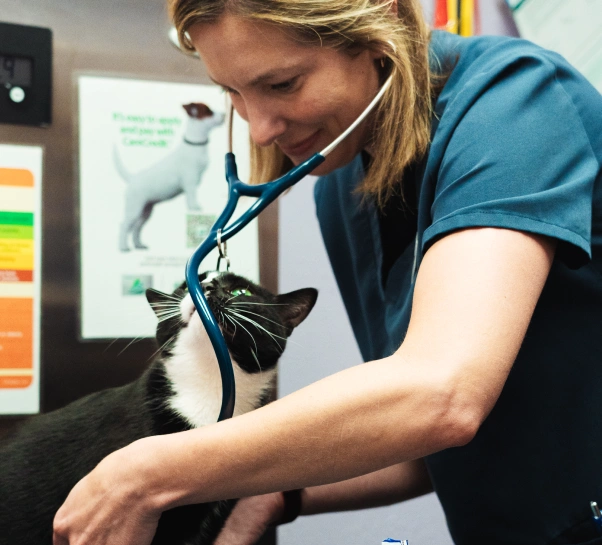
If you’re wondering how to give your pet health and longevity, the secret is regular preventive care. At Truesdell Animal Care Hospital and Clinic, our wellness services go above and beyond for your pet’s complete wellness. With customized care for your pet, we can meet the unique healthcare needs of puppies and kittens, adults, and senior pets in Madison, WI. Our goal is to maximize your companion’s health during each unique stage of its life.
Annual or Semi-Annual Health Exams
At Truesdell Animal Care Hospital and Clinic, our patients are given annual and frequent physical exams based on their age and health conditions. Our pets age faster than we do, and much can change in a year. Based on exam findings and routine test results, we will prescribe treatment or advise further testing for any abnormalities identified. We strive to make visits as stress-free as possible for you and your pet.
Vaccinations
When pets venture outdoors or congregate with other pets while boarding or attending day care, they can be exposed to harmful or deadly viral and bacterial diseases. Fortunately, many of these diseases are preventable through vaccination. At Truesdell Animal Care Hospital and Clinic, we offer core vaccines necessary for all pets and non-core (optional) vaccines based on your pet’s medical history, lifestyle, and risk of exposure. For the most effective protection, your puppy or kitten should begin receiving vaccinations between 6 and 8 weeks of age.
In the state of Wisconsin, rabies vaccines and licenses are required of all dogs by the age of 5 months. In Madison, rabies vaccines and licenses are also required of all cats by the age of 5 months. This vaccine is updated 1 year later and then every 3 years for dogs and every 1 – 3 years for cats.

Canine:
Rabies:
Rabies is a virus that is deadly to all mammals. It is spread when an infected wild animal bites another animal. In Wisconsin, bats and skunks are the most common carriers of rabies. Rabies causes neurologic signs and death, and is contagious to people.
DA2PP:
This combination vaccine prevents 4 dangerous diseases: distemper, adenovirus, parvovirus and parainfluenza. Most dogs will be exposed to these viruses at some point during their lives, so vaccination is critical.
Canine Distemper:
Distemper virus affects the dog’s respiratory, gastrointestinal, and nervous system leading to seizures and often death.
Canine Adenovirus Type 2:
Canine Adenovirus Type 2 causes a form of kennel cough. The vaccine for Adenovirus Type 2 cross protects against Canine Adenovirus Type 1 which causes infectious canine hepatitis. Infectious hepatitis can lead to liver failure and death.
Canine Parvovirus:
Highly contagious, parvovirus damages the blood cells and intestines, causing low white blood cell counts, severe bloody diarrhea, vomiting, dehydration, and often death. Unvaccinated dogs younger than 6 months are most at risk.
Canine Parainfluenza:
This infection causes a form of kennel cough.
Leptospirosis:
Wildlife shed Leptospira bacteria in their urine. Dogs are exposed when they come in contact with the urine in moist ground or standing water. Leptospirosis causes kidney and/or liver failure and is contagious to people also.


Feline:
We administer only adjuvant-free vaccines for your cat’s safety.
Rabies:
Rabies is a virus that is deadly to all mammals. This virus is contagious to people, causes neurologic signs, and is almost always fatal without proper treatment and/or vaccination. Indoor cats are frequently exposed when a bat enters the house and they try to catch it. Although the state does not require cats to be vaccinated against rabies, most cities do. At Truesdell Animal Care Hospital and Clinic, we strongly recommend it for you and your cat’s protection.
FVRCP:
This combination vaccine prevents 3 dangerous diseases: feline viral rhinotracheitis, calicivirus, and panleukopenia. Vaccinating against these diseases are critical as most cats will be exposed to these viruses at some point during their lives.
Feline Viral Rhinotracheitis:
This highly contagious virus causes eye, upper and lower respiratory infections. Kittens are most at risk for developing pneumonia. Like other Herpesviruses, this virus can hide in the nervous system, and come out during times of stress.
Feline Calicivirus:
This virus can cause upper respiratory tract disease and oral ulceration, pneumonia, systemic disease. Common symptoms include sneezing, nasal congestion, conjunctivitis, and discharge from the nose or eyes.
Feline Panleukopeia (or Feline Distemper):
Highly contagious and life-threatening, this viral infection attacks a cat’s blood intestinal cells, and bone marrow. Its symptoms include fever, vomiting and bloody diarrhea.
Parasite Prevention
When it comes to parasites, prevention is the best medicine. In Madison, Wisconsin, parasites like fleas, ticks, intestinal worms, and heartworms are a threat year-round. That’s why our doctors recommend annual parasite testing and year-round preventatives.
Fleas frequently cause rashes from allergic reactions. They can carry tapeworms and spread bacterial infections including Bartonellosis (cat scratch fever). In chronic, heavy infestations, fleas can cause anemia and even death. Fleas produce up to 40-50 eggs a day. The eggs live in the environment and move through larval and pupal stages emerging as adults in as little as 21 days. Once identified, environmental control is critical for preventing recurrence.
Ticks can transmit bacteria that cause Lyme Disease, Anaplasmosis, Ehrlichiosis, Rocky Mountain Spotted Fever, and other infections. Ticks are most prevalent in wooded and grassy areas including backyards. Unlike common belief, they do not fall from trees, but hang on plants at knee level and catch a ride when a dog, cat, or person walks by. The sooner a tick is removed, the less likely it is to transmit bacteria, so be sure to check your pet for ticks during daily grooming and after being in risky areas. In Wisconsin, over one in ten dogs will be exposed to Borrelia burgdorferi (Lyme Disease) and Anaplasma. There are effective monthly oral, topical and collar preventive options for flea and tick control. At Truesdell Animal Care Hospital and Clinic, dogs are tested annually for these common tick-borne infections.
FeLV/FIV Testing
All kittens and newly adopted cats should be tested for feline leukemia and feline immunodeficiency virus. These retroviruses can affect the quality and length of a cat’s life. The tests are performed at Truesdell clinic’s in-house lab, on a small blood sample.
Microchipping
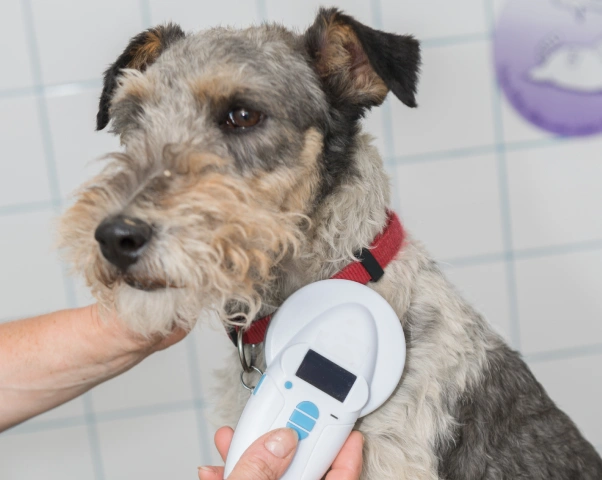
Even if you’re the most careful pet parent, accidents happen. We want to make sure your pet has the most foolproof identification. As quick as a routine vaccination, a microchip can be implanted between your pet’s shoulder blades. Your information is entered into an online database that can be updated as often as you need. With a microchip in place, the chances of a reunion with a lost pet are much greater. Unlike collars and ID tags that can become lost, microchips are a permanent form of identification your pet will always carry. Animal shelters and veterinary facilities nationwide are equipped with special scanners, so if your pet is found you will be contacted right away. Still, we recommend using all forms of identification for the safety of your pet. If you ever move or change phone numbers, be sure to update your pet’s microchip contact information online.
Nutrition & Weight Management
Understanding your pet’s food label is no easy task. At Truesdell Animal Care Hospital and Clinic we don’t want nutrition and weight management to be a mystery. To make sure your pet is being fed the most healthful diet, we are always available to offer professional advice and guidance. Diets are recommended based on your pet’s unique nutritional needs considering its age, weight, breed, health status, and lifestyle. At Truesdell clinic we will direct you to resources that dispel these myths and help you understand your pet’s nutritional needs.
Obesity in pets is a growing concern. Extra pounds can lead to health conditions that not only decrease your pet’s quality of life, but also shorten its lifespan! If your pet is overweight or obese, we will offer advice on how often to administer food using portion control and how to incorporate more physical activity. We strongly urge our clients not to share human food with their pets to avoid obesity and begging behavior. Sharing human food also reduces the risk of inadvertent exposure to poisonous foods for pets, including grapes, raisins, onions, garlic, avocados, and chocolate.
At Truesdell Animal Care Hospital and Clinic, we carry a wide range of therapeutic veterinary-approved diets. If your pet suffers from conditions such as obesity, food allergies, bladder inflammation, urinary stones, kidney or liver disease, a prescription diet can do wonders in minimizing signs and improving the quality of your pets’ life.
Most importantly, if your pet’s eating habits or weight change unexpectedly, call us right away to schedule a consultation.

Dilated Cardiomyopathy
A message from the doctors and staff at Truesdell Animal Care Hospital and Clinic
Diet, Heart Disease, and Your Dog
You may have heard about a link between grain-free diets and a heart disease called dilated cardiomyopathy (DCM) in dogs. Starting in 2014, the FDA received reports of DCM in dog breeds not previously known to have a genetic predisposition. This spurred research into potential causes, and an association was made between DCM and boutique, exotic ingredient, and grain-free (BEG) diets. The actual cause of DCM has not been determined but it is believed to be multifactorial and complex.
If your dog is currently eating a BEG diet, don’t panic. Most dogs eating these diets do not develop DCM; however, we do recommend transitioning to a diet that includes grains and a conventional protein source. We recommend Royal Canin, Hill’s/Science Diet, Purina ProPlan, and Iams/Eukanuba brands because these companies have long-standing dedication to ethical nutritional research. We specifically recommend Purina ProPlan because it is developed using extensive feeding trials, proven nutrient testing, and rigorous scientific research behind each formulation. It is unnecessary to test a taurine level if your dog is asymptomatic for heart disease. If your dog needs a hypoallergenic diet, we recommend transitioning to Royal Canin Hydrolyzed Protein Hypoallergenic diet.
Signs of heart disease include fatigue, coughing, shortness of breath, and fainting. Schedule an appointment if you see any of these signs. If your dog is symptomatic, we will discuss performing other tests to assess the heart.
The FDA released an update on this condition on June 27th, 2019, which you can view here.
DCM results in thinning and weakening of the heart muscle. Over time the heart muscle stretches, and the heart becomes dilated. These changes result in poor function. Affected dogs eventually succumb to a fatal arrhythmia or congestive heart failure.
In December 2018, a commentary on current concepts was published in the Journal of the American Veterinary Medical Association. You can view the article here.
Cumming’s School of Veterinary Medicine at Tufts University has a Clinical Nutrition Service. This is a link to Tuft’s articles on grain-free diets.
The Tufts website is an excellent resource for other nutritional topics as well. Please let us know if you have any questions about your pets nutrition.
Behavior Counseling
Pets cannot tell us what they are feeling, making behavioral issues frustrating and often a mystery. Behavior modification is challenging, but it is worth saving the bond between you and your pet. If your pet is exhibiting unpleasant behavior such as house soiling or aggression, we understand it is stressful for everyone in your household. Bad behavior is the top reason pets are given up to shelters, and we don’t want your pet to be one of them!
At Truesdell Animal Care Hospital and Clinic, while we are not certified behaviorists, we can discuss behavioral concerns and offer behavior-modifying medications when indicated. Some common behavioral issues we see include:
- Fear and anxiety
- Inter- and intraspecies aggression
- Destructive behavior
- Jumping
- Digging
To address unwanted behaviors, it is important first to understand why your pet is acting out. Behavioral problems can sometimes be linked to hidden medical conditions. We will perform a complete physical exam and may recommend laboratory tests to ensure symptoms of illness or disease are not mistaken for behavioral issues. Consider the following scenarios:
- A cat suddenly stops using its litterbox due to a urinary tract infection or bladder stones.
- A dog’s behavior changes and it shows aggression because it has become hypothyroid.
If your pet’s behavior is not due to a medical problem, we can help you manage it by discussing treatment options, including behavior-modifying medications when appropriate. Behavior modification can also be supported through positive reinforcement, redirection, training, increased exercise, and socialization. For training, we refer clients to several trusted, local certified trainers. Products such as Thundershirts, Adaptil, and Feliway, as well as certain natural supplements, may help reduce anxiety.