4214 Milwaukee Street, Madison, WI 53714


Is Apoquel Safe for Dogs? Side Effects and a Dose Chart by Weight
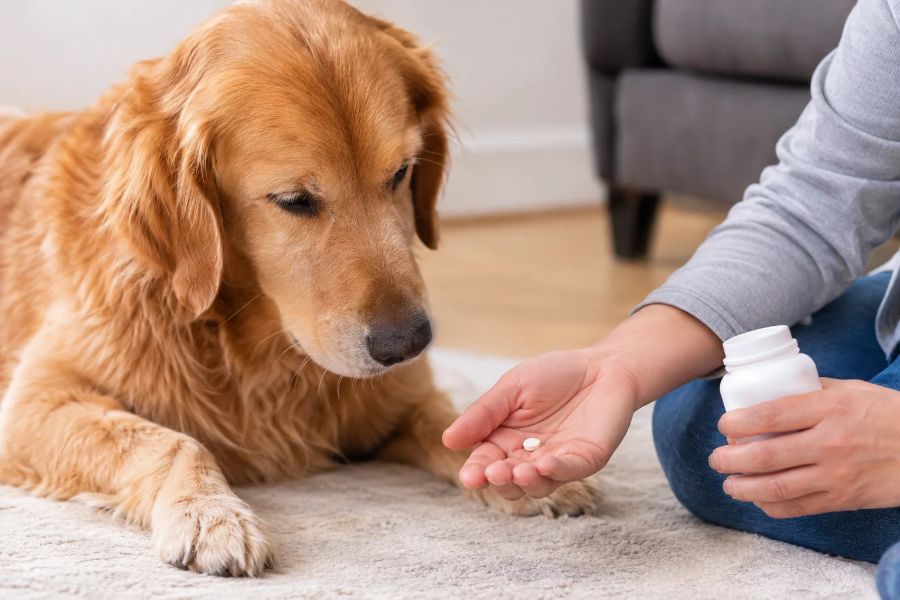
Apoquel can bring fast relief to dogs whose allergies cause relentless itching, but “safe” depends on the dog, the diagnosis, and the treatment plan. This guide explains what Apoquel does, which dogs should avoid it, common and serious side effects, and the manufacturer’s weight-based tablet chart. A veterinarian should confirm the dose, check for infection or other causes of itching, and decide whether ongoing treatment is appropriate.
What Is Apoquel and How Does It Work?
Apoquel is the brand name for oclacitinib, an oral medicine used to control itching linked to allergic dermatitis and signs of atopic dermatitis in dogs at least 12 months old. It is a Janus kinase (JAK) inhibitor. In simple terms, it blocks certain signals involved in itch and inflammation.
Apoquel can reduce itching within hours for many dogs. It controls symptoms, not the underlying allergy trigger.
Is Apoquel Safe for Dogs?
Apoquel is an approved treatment when prescribed for an appropriate adult dog and monitored. It is not risk-free. Because it changes immune-system activity, it may make infections more likely or worsen existing infections and certain cancers.
The medication is not intended for dogs younger than 12 months or dogs with serious infections. It should not be used in breeding, pregnant, or lactating dogs. Dogs with a history of cancer, recurring infections, or demodectic mange need an individual risk-benefit discussion before treatment.
Never use another pet’s Apoquel or adjust a prescription without guidance.
Apoquel Dose Chart by Dog Weight
The manufacturer’s standard dose is 0.4–0.6 mg/kg (0.18–0.27 mg/lb) by mouth. Treatment generally starts twice daily for up to 14 days, then changes to once daily for maintenance if prescribed.
| Dog’s weight | 3.6 mg tablet | 5.4 mg tablet | 16 mg tablet |
|---|---|---|---|
| 6.6–9.9 lb (3.0–4.4 kg) | ½ | — | — |
| 10–14.9 lb (4.5–5.9 kg) | — | ½ | — |
| 15–19.9 lb (6.0–8.9 kg) | 1 | — | — |
| 20–29.9 lb (9.0–13.4 kg) | — | 1 | — |
| 30–44.9 lb (13.5–19.9 kg) | — | — | ½ |
| 45–53.9 lb | ½ | — | ½ |
| 54–59.9 lb | — | ½ | ½ |
| 60–89.9 lb (27–39.9 kg) | — | — | 1 |
| 90–129.9 lb (40–54.9 kg) | — | — | 1½ |
| 130–175 lb (55–80 kg) | — | — | 2 |
Important: The 45–59.9 lb bands are split in the current manufacturer guide; confirm the correct row and tablet combination with your prescriber. Tablets are designed to be halved, not quartered. Do not calculate a dose from weight alone: health history, tablet formulation, and the exact product matter.
Common Apoquel Side Effects in Dogs
Apoquel is not an antihistamine or a steroid, and it is not interchangeable with either. A dog’s weight can change, and tablet strengths can look similar. Bring the medication package to appointments, report new symptoms, and ask when review is due. Facial swelling, trouble breathing, or collapse requires emergency care immediately; do not wait at home.
The most frequently reported effects include vomiting and diarrhea. Some dogs may also develop reduced appetite, lethargy, or new skin and ear infections. Contact the clinic if symptoms persist, become severe, or appear soon after starting treatment. Do not stop or change the schedule without asking the prescriber unless an emergency reaction requires immediate care.
Serious Risks to Recognize
Seek prompt veterinary advice for repeated infections, worsening skin lesions, unusual lumps, persistent vomiting or diarrhea, or marked behavior changes. Apoquel may increase susceptibility to infections, including demodicosis, and may worsen pre-existing cancer. New benign and malignant growths have also been reported during studies and after approval.
Can Dogs Take Apoquel Long Term?
Some dogs remain on once-daily maintenance treatment for extended periods. Your veterinarian may recommend periodic examinations and tests based on age, medical history, symptoms, and other medicines.
What Should Be Checked Before Starting?
An exam and, when needed, diagnostic testing can help distinguish these problems. A diagnostic care visit can help assess your dog’s skin concerns and overall health before a treatment decision.
Make an Informed Allergy Care Plan
Apoquel can be a useful option for eligible dogs, but safe treatment requires the right diagnosis, accurate dosing, and follow-up. Never start it from an online chart alone. If your dog is scratching, licking, or developing irritated skin, book an appointment to discuss the symptoms, review treatment choices, and create a plan that fits your pet.
Frequently Asked Questions(FAQs):
1. How quickly does Apoquel work in dogs?
A: Many dogs experience itch relief within hours, although response varies. Apoquel controls allergic itching rather than curing its cause. Persistent symptoms need reassessment to check for infection, parasites, or an allergy trigger.
2. Can I give my dog Apoquel once a day?
A: The usual starting schedule is twice daily for up to 14 days, followed by once-daily maintenance when prescribed. Do not change frequency yourself; follow the specific instructions on your dog’s prescription.
3. Can Apoquel cause cancer in dogs?
A: Cancer is not an inevitable outcome, but new growths have been reported, and the medicine may worsen existing cancers. Discuss any cancer history, unexplained lumps, or recurring illness before treatment.
4. Should Apoquel be given with food?
A: Apoquel may be given with or without food. Follow the product directions and your prescriber’s instructions. If your dog vomits after a dose, call the clinic before repeating or changing it.
5. Can puppies take Apoquel?
A: Apoquel is not intended for dogs younger than 12 months. A puppy with persistent itching needs an examination to identify causes and choose an age-appropriate treatment rather than using an adult dog’s medication.
6. What happens if I miss an Apoquel dose?
A: Contact your prescribing clinic or follow the label instructions for a missed dose. Do not double the next dose to compensate. Keeping a consistent medication schedule can help prevent accidental extra doses.