4214 Milwaukee Street, Madison, WI 53714


Cat Scratching Furniture? Here’s What Veterinarians Recommend
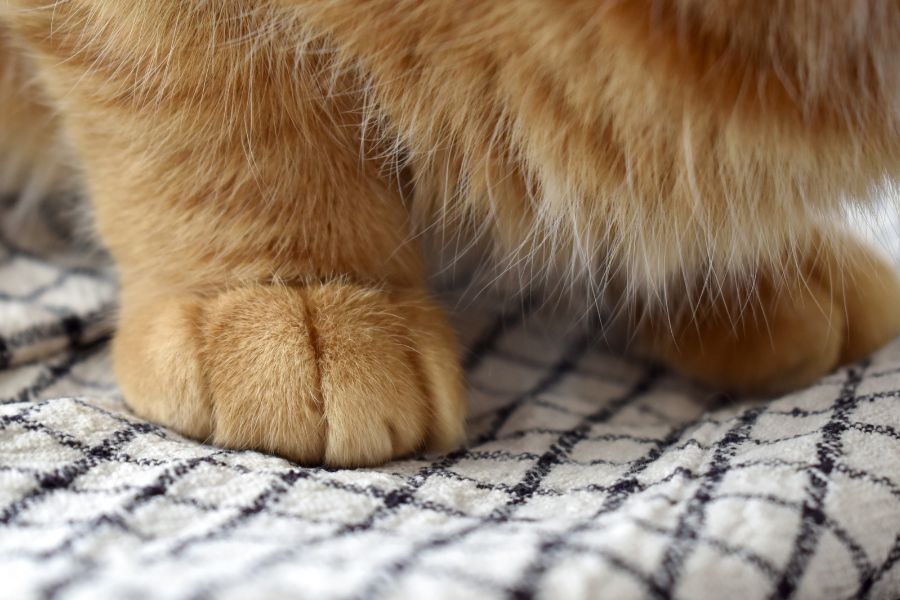
If your cat is scratching the couch, carpet, curtains, or wooden furniture, you’re not alone. Scratching is one of the most common cat behaviors that frustrates pet owners. Many people assume their cat is being destructive on purpose. The reality is very different. Scratching is a natural and necessary activity that helps cats maintain their physical and emotional well-being.
Understanding why cats scratch is the first step toward protecting your furniture without causing stress for your pet. This guide explains the reasons behind scratching, how to redirect the behavior, the best scratching surfaces, common mistakes to avoid, and when professional help may be needed. With the right approach, you can create a home that works for both you and your cat.
Why Do Cats Scratch Furniture?
Scratching serves several important purposes in a cat’s life. It is not a sign of bad behavior.
Cats scratch to:
- Remove dead layers from their claws
- Stretch muscles and tendons
- Mark territory through scent glands in their paws
- Relieve stress and excitement
- Communicate with other animals
Furniture often becomes a target because it provides a stable and satisfying surface. Sofas, chairs, and rugs may feel more appealing than a scratching post if the alternatives are not placed correctly or do not match your cat’s preferences.
Is Scratching a Sign of a Behavioral Problem?
In most cases, no. Scratching is a normal feline behavior. A healthy cat needs appropriate outlets for scratching.
Problems arise when cats have limited scratching options or when their environment does not meet their natural needs. Some cats may scratch more frequently during periods of stress, changes in the household, or the introduction of a new pet.
Understanding the cause helps create a solution that addresses the behavior rather than simply trying to stop it.
How to Stop a Cat from Scratching Furniture
The goal is not to eliminate scratching. The goal is to redirect it to appropriate surfaces.
1. Provide Multiple Scratching Posts
Many cat owners make the mistake of buying one scratching post and expecting immediate success. Cats often have strong preferences regarding texture, height, and orientation.
Offer several options, including:
- Vertical scratching posts
- Horizontal scratchers
- Inclined scratching boards
- Cardboard scratching pads
- Sisal-covered posts
A scratching post should be tall enough for your cat to stretch fully while scratching.
2. Place Scratchers in Strategic Locations
Location plays a major role in success.
Place scratching posts:
- Near favorite sleeping areas
- Next to frequently scratched furniture
- Along common walking paths
- In social areas where your cat spends time
Cats often scratch after waking up. A post near their resting area can encourage immediate use.
3. Reward Desired Behavior
Positive reinforcement is highly effective.
When your cat uses a scratching post:
- Offer praise
- Give a favorite treat
- Engage in playtime
This helps create a positive association with the appropriate scratching surface.
Make Furniture Less Appealing
Cats naturally choose surfaces that provide a satisfying scratching experience. Making furniture less attractive can encourage them to use approved alternatives.
1. Use Protective Covers
Temporary furniture protection options include:
- Double-sided tape
- Furniture protectors
- Plastic guards
- Scratch-resistant covers
Many cats dislike sticky surfaces and will avoid them.
2. Rearrange the Environment
Position scratching posts directly in front of commonly scratched areas. Once your cat consistently uses the post, you can gradually move it to a preferred location.
3. Keep Nails Trimmed
Regular nail trims reduce the damage caused by scratching and help keep claws healthy.
If you are unsure how to trim your cat’s nails safely, seek guidance from a professional during a routine wellness visit.
Choosing the Best Scratching Post for Your Cat
Not all scratching posts are equally appealing.
1. Consider Texture
Cats often prefer:
- Sisal fabric
- Corrugated cardboard
- Natural wood
- Carpet-free scratching materials
Observe which household surfaces your cat targets most often. This provides clues about preferred textures.
2. Consider Stability
A scratching post that wobbles may discourage use.
Choose sturdy products that remain stable when your cat applies pressure.
3. Consider Height
Most cats enjoy stretching while scratching. Taller posts often provide a more satisfying experience than shorter models.
Common Mistakes Cat Owners Make
Several common mistakes can make scratching problems worse.
1. Punishing Your Cat
Yelling, spraying water, or physical punishment can create fear and anxiety.
Cats do not connect punishment with scratching behavior in the way many owners expect. Punishment may damage trust and increase stress-related behaviors.
2. Removing All Scratching Opportunities
Scratching is a natural need. Eliminating scratching options is unrealistic and can lead to frustration.
3. Using Only One Scratcher
Different cats prefer different surfaces. Providing variety increases the chances of success.
When Scratching May Signal Stress
While scratching is normal, a sudden increase in scratching activity may indicate emotional stress.
Possible triggers include:
- Moving to a new home
- New pets
- New family members
- Changes in routine
- Environmental disruptions
Environmental enrichment can help reduce stress.
Consider adding:
- Cat trees
- Window perches
- Interactive toys
- Puzzle feeders
- Daily play sessions
If scratching behavior changes dramatically, a visit for a cat behavior consultation can help identify underlying concerns and create a personalized plan.
Protecting Furniture While Supporting Natural Behavior
The most effective solution balances your cat’s needs with your household goals. Cats need opportunities to scratch, stretch, and mark territory. Providing appealing alternatives allows them to express natural behaviors without damaging furniture. Patience is important. Some cats adjust quickly, while others require several weeks to develop new habits. Consistency and positive reinforcement often produce the best results.
When to Seek Professional Help
If your cat continues scratching furniture despite multiple interventions, professional guidance may be beneficial.
A thorough evaluation can rule out medical issues, identify stress factors, and determine whether environmental changes are needed. Early intervention often prevents behaviors from becoming deeply established.
For pet owners in Madison, the team at Truesdell Animal Care Hospital can help you better understand your cat’s behavior and create practical solutions that fit your home. If you’re struggling with persistent scratching or other feline behavior concerns, don’t hesitate to book an appointment and receive personalized support for your cat’s well-being.
Frequently Asked Questions(FAQs):
1. Why is my cat suddenly scratching furniture more than usual?
A: A sudden increase in scratching may be linked to stress, environmental changes, new pets, altered routines, or a lack of suitable scratching surfaces. Monitoring recent household changes can help identify the cause.
2. What type of scratching post do cats prefer?
A: Most cats prefer sturdy scratching posts made from sisal or cardboard. Preferences vary by cat, so offering both vertical and horizontal options can help determine what your pet enjoys most.
3. Does declawing stop furniture scratching?
A: Declawing removes part of the toe structure and is not recommended as a solution for scratching. Providing appropriate scratching alternatives and behavior management techniques is a safer approach.
4. How many scratching posts should I have?
A: A good rule is to provide multiple scratching options throughout the home. Cats are more likely to use scratchers when they are conveniently located in frequently used areas.
5. Can stress cause excessive scratching in cats?
A: Yes. Stress, anxiety, and changes in the home environment can increase scratching behavior. Environmental enrichment and maintaining a predictable routine may help reduce stress-related scratching.
6. How long does it take to redirect scratching behavior?
A: Many cats begin using scratching posts within a few days, while others may take several weeks. Consistent placement, positive reinforcement, and patience are key to long-term success.