4214 Milwaukee Street, Madison, WI 53714


How Poor Oral Hygiene Can Shorten Your Pet’s Life
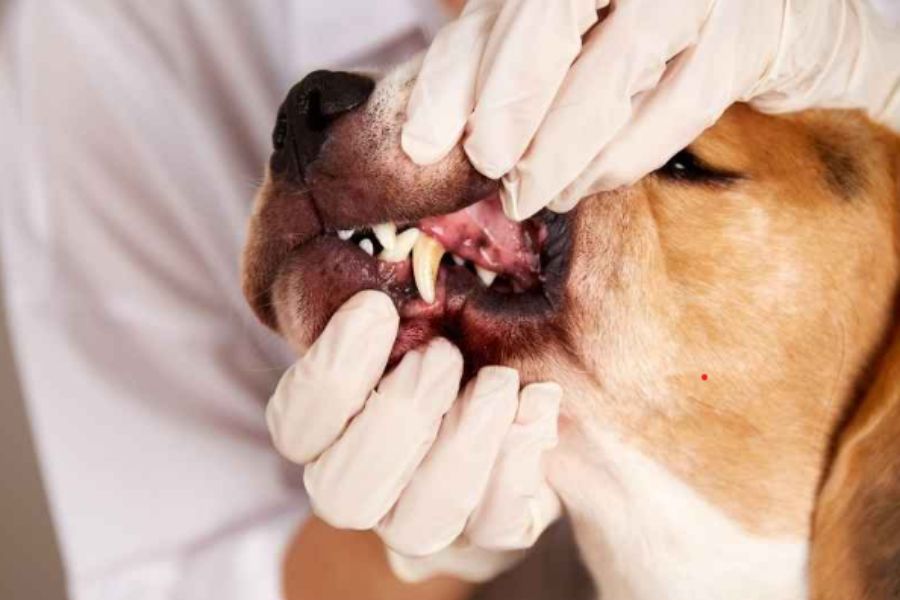
Your pet’s smile tells a story about comfort, appetite, and long-term health. Many pet owners focus on food, exercise, and regular checkups, yet overlook the mouth. Bacteria that grow along the gumline can travel through the bloodstream and affect the heart, liver, and kidneys.
Pain inside the mouth can also change eating habits, mood, and energy levels. Small dental problems can grow quietly until they begin to influence the entire body. This article explains how oral hygiene affects lifespan, the warning signs you should watch for, and simple habits that protect your companion every day. You will also learn practical steps that make home care easier for busy families.
A clear understanding of pet dental health helps owners take early action and prevent long-term damage. These insights are especially helpful for pet families who want reliable guidance for daily care in Madison, WI. Local pet owners value prevention and daily comfort.
How Dental Problems Affect Your Pet’s Body
Dogs and cats rarely show dental pain clearly. Many continue eating even when their gums feel sore. Owners may notice slower chewing, dropping food, or choosing softer meals. Bad breath often becomes the first clue. Strong odor usually means bacteria are multiplying around plaque and tartar.
Plaque forms when food particles mix with saliva and bacteria. If it stays on teeth, it hardens into tartar that presses against the gums. Irritation begins. Gums swell and bleed during chewing or play. Infection may develop below the gumline, where it stays hidden from view.
Once infection enters the bloodstream, it can place stress on major organs. The heart must work harder. The liver processes additional toxins. Kidneys filter bacteria circulating in the blood. Over time, this silent pressure can shorten a pet’s life and reduce overall comfort.
Simple Habits That Protect Your Pet’s Teeth
Many owners ask a simple question: what daily habits make the biggest difference? Consistent home care matters more than occasional fixes. Brushing a pet’s teeth several times each week removes plaque before it hardens. Special dental chews can help scrape buildup from the surface of teeth.
Look closely at your pet’s mouth during calm moments. Lift the lip gently. Healthy gums appear light pink and firm. Redness, swelling, or bleeding signals irritation. Thick yellow or brown tartar along the gumline also needs attention.
Try this quick self-check once every two weeks. Notice breath odor. Watch chewing patterns. Observe if your pet paws at the mouth. Small changes provide early warning signs.
If you want to explore more ways to support lifelong wellness, visit the hospital website to learn about the full range of preventive and medical services available for local pets and families.
Why Professional Dental Care Matters
Professional dental exams provide a more thorough evaluation than what can be done at home. During these visits, care teams check for gum pockets, loose teeth, hidden infections, and fractures that may be concealed beneath tartar. A professional cleaning also removes hardened buildup both above and below the gumline, helping protect your pet’s oral health.
In some cases, dental X-rays are recommended to uncover issues below the surface. Damage around the tooth roots can go unnoticed but still cause significant discomfort. Detecting these problems early allows for timely treatment, protecting nearby teeth and preventing the spread of infection.
Age and breed can also influence dental health. Senior pets often experience quicker tartar accumulation, while small dog breeds may have crowded teeth that trap food particles. Cats can be prone to painful gum inflammation as well.
Routine dental exams help track changes over time and ensure your pet receives the most appropriate care. If you’re located in “Madison, WI” and looking for trusted veterinary care, then schedule an appointment with Truesdell Animal Care Hospital & Clinic.
Daily Care Tips for Pet Owners
Good oral routines do not need to feel complicated. Start slowly so pets remain comfortable. Use a soft brush made for animals. Offer praise after each attempt. Gradual practice builds trust and cooperation.
Diet choices also influence oral health. Crunchy kibble and dental treats reduce surface buildup for many pets. Fresh water supports saliva flow that naturally cleans the mouth. Families who commit to small routines often see brighter teeth, fresher breath, and improved energy in their pets.
Pet owners often underestimate how quickly dental disease progresses. Plaque can begin forming within hours after eating. Daily attention breaks this cycle before tartar develops. Young pets benefit from early training that introduces brushing as a normal routine. Older pets gain comfort when infections receive timely treatment. Consistent care protects appetite, sleep quality, and playful behavior.
Healthy teeth support proper chewing and digestion. Clean gums reduce the risk of bacteria entering the bloodstream. Small actions taken today may add healthy years to a pet’s life while keeping everyday moments happy and active. Your attention truly matters.
Conclusion
Caring for your companion’s mouth is an important step toward lifelong comfort. Simple routines, early checks, and professional guidance protect appetite, energy, and happiness. Strong habits also support lasting pet dental health and reduce hidden infections that affect the whole body.
We are conveniently located in Madison, WI, and welcome you to our facility at 4214 Milwaukee St, Madison, WI 53714—where compassionate care and community come together for your pet’s well-being.
Frequently Asked Questions(FAQs):
1. Why does bad breath in pets matter?
A: Bad breath often signals bacterial buildup along teeth and gums. Odor means plaque and infection may already be developing. Persistent smell deserves attention because oral bacteria can travel through the bloodstream and affect major organs.
2. How often should I brush my pet’s teeth?
A: Brushing three to four times each week removes plaque before it hardens into tartar. Daily brushing offers the best protection. Slow training, patience, and rewards help pets accept the routine comfortably and reduce stress levels.
3. What foods help support cleaner teeth?
A: Crunchy kibble and approved dental treats can reduce surface plaque while chewing. Balanced diets support gum strength. Fresh water also helps wash away food particles and keeps saliva flowing inside the mouth for better cleanliness.
4. Are dental problems common in older pets?
A: Yes. Many senior pets develop tartar buildup, gum irritation, or loose teeth. Aging slows natural defenses in the mouth. Regular exams and cleanings help manage these changes and keep older companions comfortable and eating normally.
5. When should I schedule a dental exam?
A: Schedule an exam if you notice strong breath, red gums, drooling, chewing changes, or visible tartar. Annual dental evaluations help detect hidden problems early and guide preventive care for long-term comfort and healthier smiles.
6. Can dental disease really affect lifespan?
A: Yes. Bacteria from infected gums can enter the bloodstream and strain organs such as the heart, liver, and kidneys. Early dental care reduces this risk and supports a longer, healthier life for many beloved pets.