4214 Milwaukee Street, Madison, WI 53714


Protecting Pets Beyond Their Smile
Maintaining a healthy mouth is one of the best ways to support your pet’s overall well-being. While we often think of dental care in terms of fresh breath and a bright smile, its impact actually extends to your pet’s entire body.
When plaque and tartar accumulate, they can cause inflammation of the gum tissue. This allows oral bacteria to enter the bloodstream, where they can travel to and affect vital organs like the heart, lungs, liver, and kidneys. By prioritizing oral health, you are helping to protect your pet’s long-term internal health.
Dental Examinations
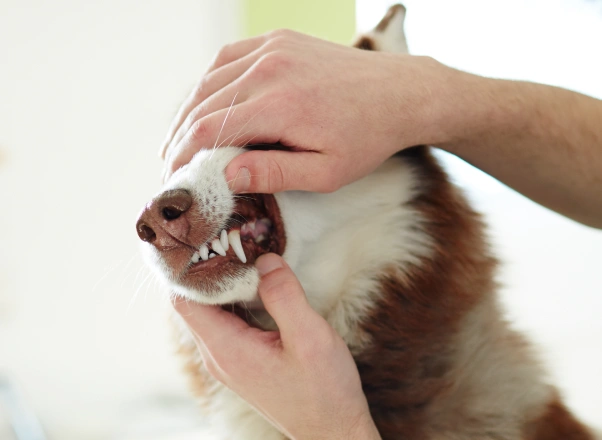
Dental disease is often uncomfortable, making it difficult for your pet to eat, chew, and play. Because pets are experts at hiding pain, regular exams are essential. During every wellness visit, our team performs an oral exam to assess your pet’s teeth and gums.
If we see tartar build up or inflammation, a full comprehensive dental will be recommended.
If you notice any of the following at home, please reach out to schedule a visit:
- Persistent bad breath
- Red or inflamed gums
- Bleeding from the gums
- Discolored teeth or visible tartar
- Dropping food or signs of pain when chewing
Comprehensive Dental Procedures
A comprehensive dental cleaning at Truedell includes full mouth radiographs, oral examination, scaling and polishing of the teeth. This is all performed under general anesthesia to ensure your pet’s safety and comfort.
Dental X-Rays
At Truesdell Animal Care Hospital and Clinic, we perform dental radiography on every dental procedure. Roughly 60% of a pet's tooth structure is beneath the gum line, and x-rays are the only way to see what is happening and find hidden dental problems. This allows us to identify:
- Painful abscesses or infections
- Bone loss around the tooth
- Fractured or decaying roots
- Impacted teeth
Oral Examination
While your pet is anesthetized, we are able to do a more advanced oral examination than when they are awake. Probing is performed around all teeth screening for signs of bone loss, periodontal pocketing, masses, or other gingival abnormalities.
Comprehensive Cleaning and Polishing
We perform a comprehensive cleaning that includes ultrasonic scaling above and below the gum line. We then polish the teeth to reduce any micro abrasions and leave a clean and smooth dental surface.
Making a Plan
Our veterinarians use all the information we collect from the oral examination and dental radiographs to assess for problematic teeth and formulate the best treatment plan for your pet. In many cases, surgical extraction of the diseased teeth is the most effective way to eliminate pain.
Dental Extractions
When a tooth is too diseased or damaged to be saved, surgical extraction is recommended. The tooth is removed and the gums are closed using dissolvable suture material.
A multi-modal approach is used to control pain during and after the procedure.
- Local nerve blocks are used on all extractions and dental treatments. This numbs the area and reduces discomfort during the procedure. We also include buprenorphine, an opioid, in all our nerve blocks. This offers additional local pain control for up to 72 hours after the nerve block was performed
- Injectable pain medications are given before and during the procedure to help block discomfort during and after the extractions.
- At Home Medications: Animals are then sent home with oral medications for several days to ensure they are comfortable and able to rest peacefully after their procedure.
Each pet’s pain control plan is tailored to their exact needs and preferences.
At Home Dental Care
The best way to extend the time between cleanings is a consistent home routine. Just like us, pets benefit from daily attention to their teeth!
- Brushing: Starting early is best, but pets of any age can learn to accept brushing. We are happy to show you techniques to make this a positive experience for both you and your pet.
- Alternatives: If your pet is resistant to brushing, we can recommend VOHC-approved dental chews, food additives, treats, and toys that help mechanically scrub teeth while they play.
- Dietary Support: We can also discuss specialized dental diets that are specifically formulated to reduce tartar formation.
As an AAHA-accredited practice, we meet the highest standards in veterinary medicine, ensuring your pet is closely monitored and well-cared for throughout their treatment.