4214 Milwaukee Street, Madison, WI 53714

Pet Lifestyle Evolution: How Our Pets’ Lives Have Changed Over the Decades
Over the past few decades, our pets’ lives have undergone a remarkable transformation. From the days when dogs guarded yards and cats roamed freely outdoors to today’s world of designer pet beds, gourmet treats, and regular vet visits, our furry companions have truly moved up in the world.
The bond between humans and animals has always been strong, but the way we express that love has evolved dramatically. Let’s journey through time and uncover how pet lifestyles have changed—spotting the difference between “then” and “now” in how we care for, feed, and cherish our four-legged friends.
1. From Working Animals to Beloved Family Members
Then:
In the early 20th century, pets often had practical roles. Dogs guarded livestock, hunted, or herded, while cats kept barns free of rodents. They were valued for their usefulness rather than companionship.
Now:
Fast forward to today, and pets are considered family. We celebrate their birthdays, buy them gifts, and include them in family portraits. Their emotional well-being is just as important as their physical health. The relationship has shifted from function to affection, emphasizing love and mutual connection.
Spot the Difference:
What was once a working partnership has evolved into a lifelong friendship rooted in unconditional love and care.
2. Dining Habits: From Scraps to Specialized Nutrition
Then:
In the past, pets were fed leftovers from the dinner table—whatever was available. Pet nutrition wasn’t a priority; the idea of “balanced diets” for animals barely existed.
Now:
Today’s pets enjoy gourmet meals, organic kibble, and customized diets designed to suit age, breed, and health needs. There are even food delivery subscriptions for pets and fresh meal plans created by veterinary nutritionists.
Spot the Difference:
Gone are the days of kitchen scraps! Modern pets dine like royalty—with every meal carefully curated for health, taste, and longevity.
3. Veterinary Care: A Revolution in Pet Health
Then:
A few decades ago, veterinary visits were rare and usually only occurred in emergencies. Preventive care wasn’t a common concept, and many illnesses went unnoticed until it was too late.
Now:
Today, regular checkups, vaccinations, dental cleanings, and wellness exams are part of responsible pet ownership. Advances in diagnostics, surgery, and preventive medicine have dramatically improved pets’ life expectancy and quality of life.
Visiting a Madison veterinarian is now seen as a vital part of maintaining a pet’s health, not just treating sickness but preventing it altogether.
Spot the Difference:
What used to be “wait and see” has turned into proactive, preventive care—ensuring our pets live longer, happier lives.
4. The Rise of Pet Technology: Smart Collars and Fitness Trackers
Then:
A simple collar and leash were all a pet needed. Owners relied on intuition and observation to gauge their pet’s health or behavior.
Now:
Technology has entered the pet world in full swing. Smart collars track activity, GPS devices prevent pets from getting lost, and even health-monitoring wearables detect early signs of illness. Automated feeders and pet cameras help owners stay connected while they’re away from home.
Spot the Difference:
From basic accessories to smart gadgets—our pets have gone digital, enjoying the same tech-driven lifestyle as their owners!
5. Grooming and Fashion: From Functional to Fabulous
Then:
Pet grooming once served a purely practical purpose. Dogs were bathed occasionally to remove dirt, and cats handled their own cleanliness.
Now:
Modern grooming is both a necessity and a luxury. From spa days to fur dyeing, pet grooming has become an art form. Pet fashion has also boomed—think stylish sweaters, raincoats, and even Halloween costumes.
Spot the Difference:
The shift from “clean and simple” to “chic and stylish” reflects just how much we celebrate our pets’ individuality and charm.
6. Housing and Comfort: From the Yard to the Couch
Then:
Pets once lived mostly outdoors or in designated areas like barns or kennels. Their comfort wasn’t always a top priority.
Now:
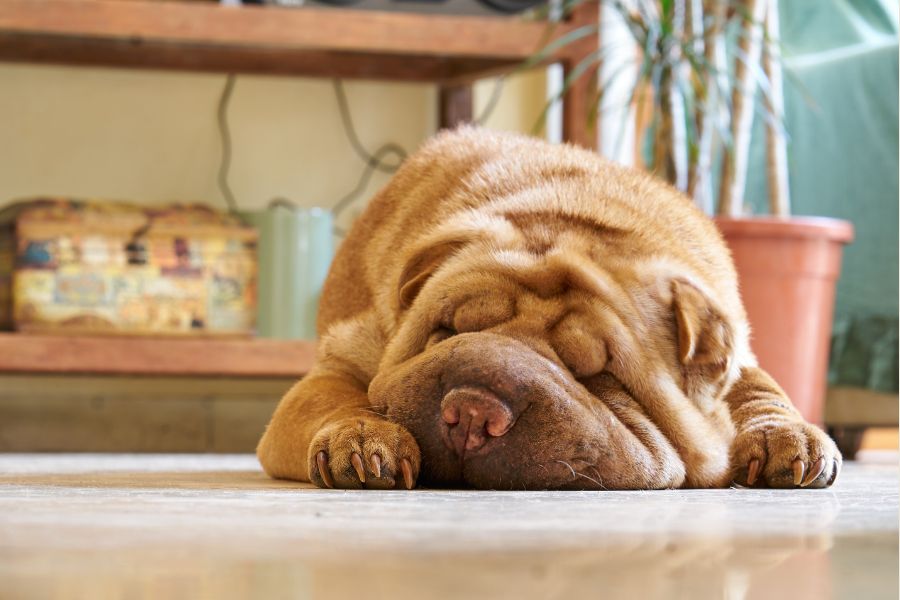
Today, many pets sleep in our beds, lounge on couches, and even have custom-built furniture. Indoor living has become the norm, with climate control, cozy blankets, and interactive toys enhancing their daily comfort.
Spot the Difference:
Pets have gone from sleeping under the stars to snuggling under duvets—and they wouldn’t have it any other way.
7. Emotional Well-Being: From Overlooked to Prioritized
Then:
Behavioral or emotional issues in pets were rarely understood. Anxiety, depression, or boredom were often dismissed as disobedience.
Now:
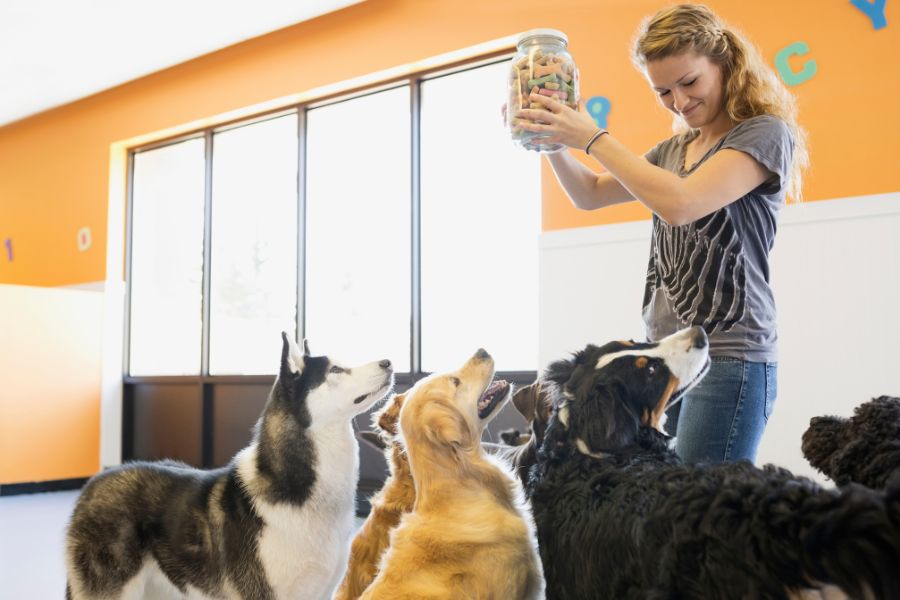
Modern pet parents recognize the importance of mental stimulation and emotional health. Toys, puzzles, training, and even therapy support pets’ mental well-being. Many owners hire trainers, behaviorists, and dog walkers to keep their companions happy and balanced.
Spot the Difference:
We’ve evolved from correcting behavior to understanding it—embracing empathy and science to nurture emotionally healthy pets.
8. Travel and Socialization: Pets on the Go
Then:
Pets used to stay home when families traveled. Boarding facilities were limited, and few options existed for pet-friendly adventures.
Now:
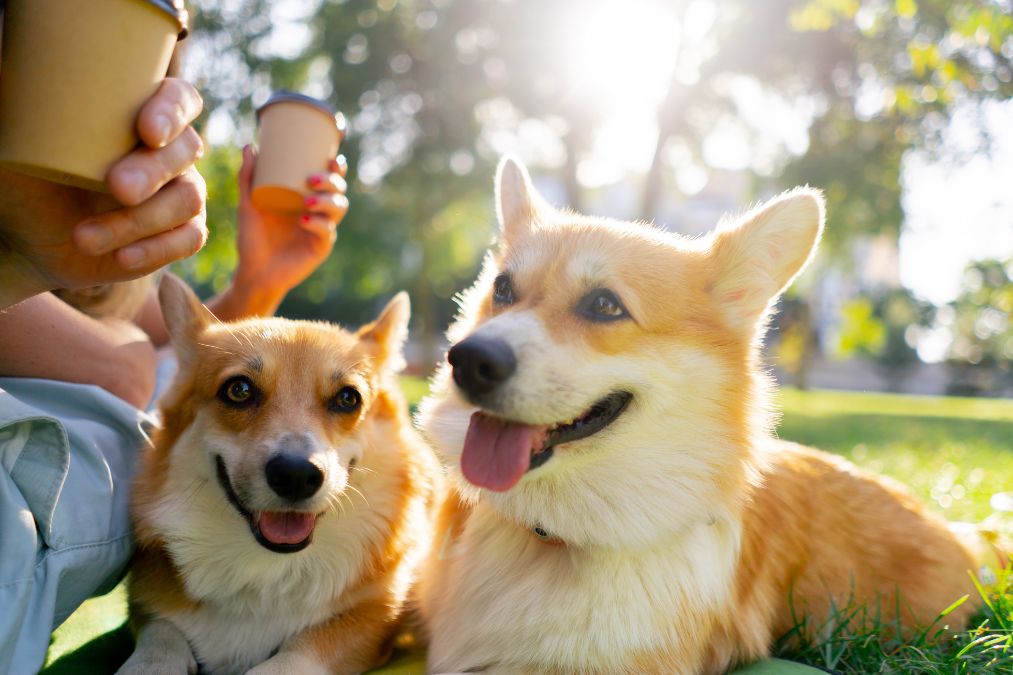
From dog parks and cafés to pet-friendly hotels and airlines, our companions are welcome almost everywhere. Socialization is encouraged, and travel with pets has become easier and more enjoyable.
Spot the Difference:
Pets are no longer left behind—they’re part of the journey, experiencing life right alongside their humans.
9. Pet Adoption and Awareness: From Buying to Rescuing
Then:
Purebred pets were a status symbol, often purchased from breeders or pet stores without much thought about animal welfare.
Now:
The adoption movement has changed everything. Rescue organizations and shelters have made it easier than ever to adopt, fostering compassion and responsibility. Social media campaigns have raised awareness about overpopulation and the importance of spaying and neutering.
Spot the Difference:
Today’s pet lovers value compassion over pedigree, choosing adoption as a meaningful way to make a difference.
10. Looking Ahead: The Future of Pet Lifestyles
As we continue to innovate and learn, the pet lifestyle of tomorrow promises even more exciting possibilities. From advanced healthcare to AI-assisted pet communication, the bond between humans and animals will only deepen.
Our pets have journeyed from outdoor workers to pampered family members—and in every wag, purr, and nuzzle, we can see how far we’ve come.
The evolution of pet lifestyles over the decades reflects our changing society—one that values empathy, science, and connection more than ever before. By recognizing how these changes shape our pets’ lives, we can continue to nurture relationships built on trust, understanding, and love.
Because at the heart of this transformation is a simple truth: when we give our pets better lives, they return the gift tenfold—with loyalty, joy, and unconditional affection.