4214 Milwaukee Street, Madison, WI 53714

Ragamuffin Cat Colors and Patterns: A Complete Visual Breakdown
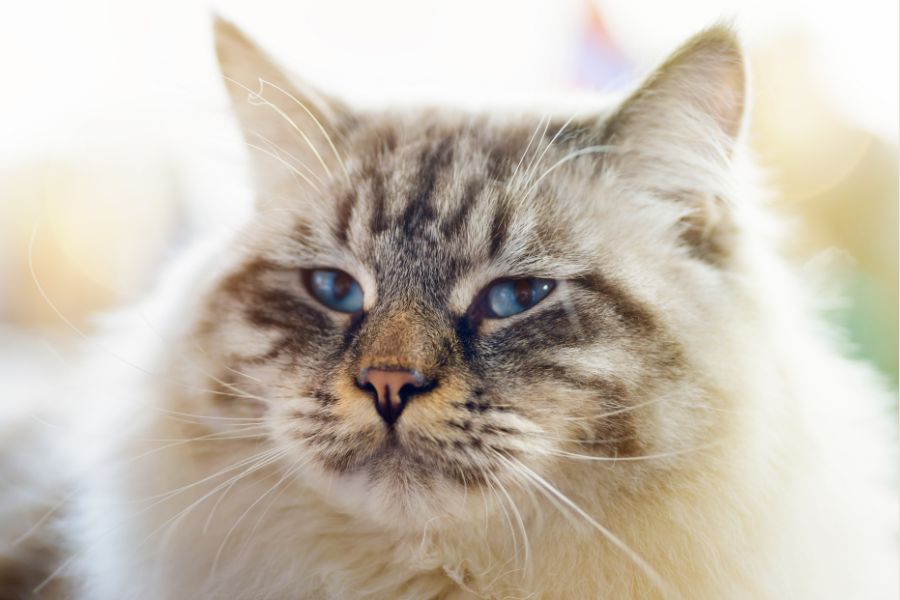
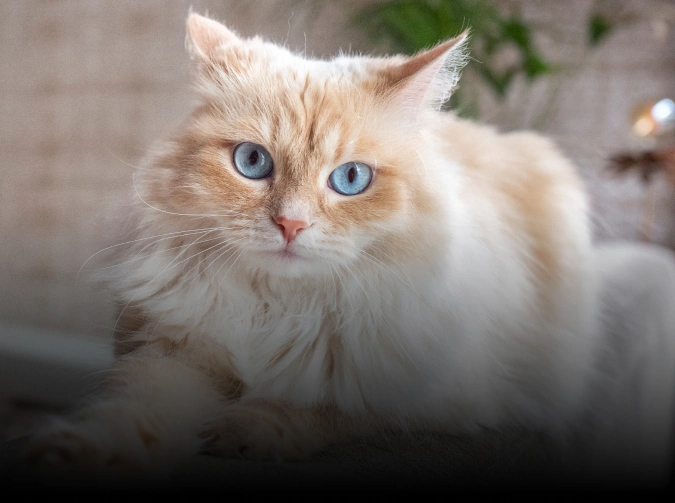
If you’ve ever seen a Ragamuffin cat, you already know how striking they can be. Their plush coats, expressive eyes, and relaxed personalities make them stand out. But what really captures attention is the incredible variety of colors and patterns they come in.
Are you trying to identify your cat’s coat type? Or maybe you’re planning to bring one home and want to know your options. This guide walks you through everything you need to know—clearly and visually—so you can understand exactly what makes each Ragamuffin unique.
Understanding Ragamuffin Coat Basics
Before diving into specific colors and patterns, it helps to understand the coat itself.
Ragamuffins have:
- Medium to long, silky fur
- A dense but soft texture (not prone to matting like some long-haired breeds)
- A wide range of colors and patterns
Unlike some breeds with strict standards, Ragamuffins allow almost every color and pattern combination. That’s why no two look exactly alike.
Solid Colors in Ragamuffins
Solid-colored Ragamuffins have one uniform shade across their entire body. These cats often look sleek and bold because their color isn’t interrupted by markings.
Common Solid Colors
1. White
A pure white Ragamuffin looks elegant and soft. Their eye color often stands out more—blue, green, or gold.
2. Black
Black Ragamuffins have a glossy, rich coat. In sunlight, you may notice subtle undertones.
3. Blue (Gray)
This is a diluted black that appears soft gray. It gives a calm, almost misty look.
4. Chocolate
A warm brown tone that feels rich and unique compared to standard black or gray.
Tabby Patterns: Classic and Expressive
Tabby is one of the most recognizable patterns in cats. Ragamuffins can carry all major tabby variations, each with distinct markings.
Types of Tabby Patterns
Classic Tabby
- Swirling, marble-like patterns
- Bold and dramatic appearance
Mackerel Tabby
- Narrow stripes running down the body
- Often compared to a tiger pattern
Spotted Tabby
- Broken stripes forming spots
- Gives a playful and dynamic look
Ticked Tabby
- Each hair has multiple colors
- No clear stripes, more of a textured appearance
Bicolor and Multicolor Coats
Bicolor Ragamuffins combine white with another color. These coats are eye-catching and often have symmetrical or unique markings.
Popular Bicolor Styles
Tuxedo
- Black and white combination
- White chest and paws, darker body
Van Pattern
- Mostly white body
- Color only on the head and tail
Calico
- White with patches of orange and black
- Almost always female
Harlequin
- Mostly white with large colored patches
Colorpoint Ragamuffins
Colorpoint Ragamuffins are often confused with Siamese-style cats. They have lighter bodies with darker “points” on certain areas.
Key Features
- Darker ears, face, paws, and tail
- Light cream or ivory body
- Usually blue eyes
Common Point Colors
- Seal Point (dark brown)
- Blue Point (soft gray)
- Flame Point (reddish/orange)
- Chocolate Point
Mink and Sepia Variations
These are less commonly discussed but equally beautiful.
Mink
- A mix between solid and colorpoint
- Slight contrast between body and points
- Silky, blended appearance
Sepia
- Rich, darker overall tone
- Minimal contrast between body and points
- Warm and deep coloring
How Coat Color Changes Over Time
Here’s something many owners don’t expect: your Ragamuffin’s color may shift as they grow.
- Kittens often start lighter
- Patterns become more defined with age
- Colorpoint cats darken over time
This means the kitten you bring home may not look the same a year later.
Does Color Affect Personality?
It’s a common question. The short answer: no.
A Ragamuffin’s personality is consistent across colors. They are known for:
- Gentle temperament
- Strong attachment to people
- Calm indoor behavior
Coat color is about appearance, not behavior.
Grooming Based on Coat Type
While all Ragamuffins have similar fur, certain patterns can make grooming needs feel different.
- Light-colored coats: Show dirt more easily
- Dark coats: Highlight shedding
- Longer fur areas: Need regular brushing
A simple routine works well:
- Brush 2–3 times per week
- Check for tangles around the neck and legs
- Keep their coat clean and dry
If you want detailed care tips tailored to your cat, visit our website for more guidance.
Choosing the Right Ragamuffin for You
When selecting a Ragamuffin, it’s easy to focus only on color. But there’s more to consider.
Ask yourself:
- Do you prefer bold patterns or soft tones?
- Are you okay with visible shedding?
- Do you want a unique look or a classic one?
The best choice is one that fits your lifestyle and personal taste.
Conclusion: Every Ragamuffin Is One of a Kind
Ragamuffin cats offer one of the widest ranges of colors and patterns in the feline world. From solid shades to intricate tabby designs and striking colorpoints, there’s something for everyone.
But beyond the coat, what truly matters is their nature. These cats are affectionate, relaxed, and easy to live with. Their appearance may catch your eye, but their personality is what keeps them close.
Take your time exploring the different patterns. Look closely. Ask questions. The more you understand, the easier it becomes to find a Ragamuffin that feels right for you.
Ready to find your perfect match? Start by identifying the colors and patterns you love most—and let that guide your decision.
FAQs About Ragamuffin Colors and Patterns
1. What is the rarest Ragamuffin color?
A: Mink and sepia variations are less common compared to standard tabby or bicolor patterns.
2. Do all Ragamuffins have the same coat texture?
A: Yes, most have a soft, plush coat, though length and density can vary slightly.
3. Can a Ragamuffin change color as it grows?
A: Yes, especially colorpoint cats. Their markings often darken with age.
4. Are calico Ragamuffins always female?
A: Almost always. Male calicos are extremely rare due to genetics.
5. Which pattern is easiest to maintain?
A: Solid and darker coats tend to hide dirt and shedding better than lighter ones.
6. Do patterns affect grooming needs?
A: Not directly, but longer or thicker areas in certain patterns may need more attention.