4214 Milwaukee Street, Madison, WI 53714


Sticky Treats and Dental Damage: Caramel Apples, Candy Corn, and Your Pet’s Teeth
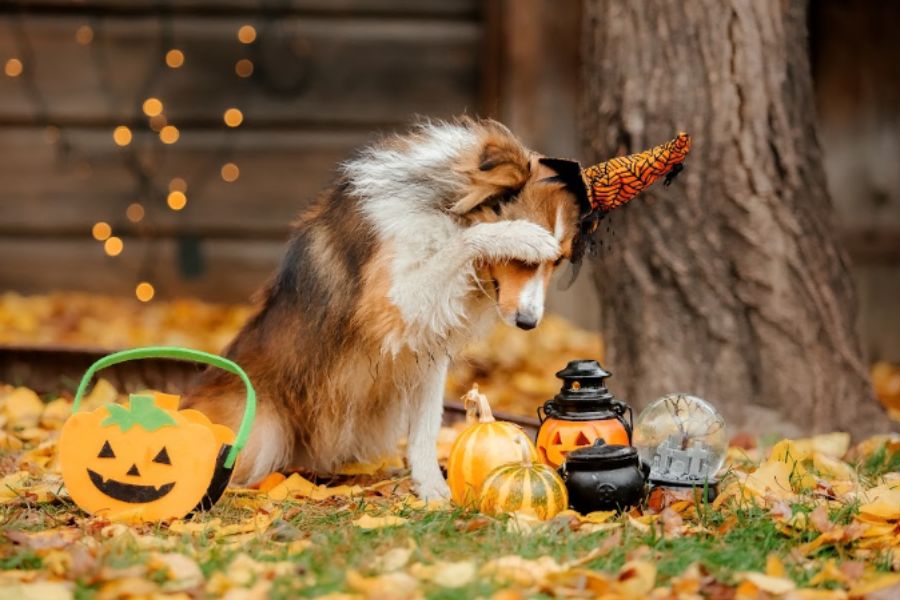
Halloween brings caramel apples, candy corn, and other sweet treats into many homes. While these seasonal favorites are enjoyable for people, they can cause unexpected health problems for dogs and cats. Sticky candy can aggravate existing dental problems, while hard treats may damage teeth. Certain candy ingredients can also cause serious illness.
Dental injuries are not always obvious. Your dog might continue eating despite a fractured tooth, while your cat may quietly avoid chewing on one side of its mouth. Recognizing these changes early can prevent unnecessary discomfort.
For pet owners in Madison, understanding the risks of Halloween candy is an important part of protecting their pets. Knowing which treats are dangerous, recognizing warning signs, and seeking timely veterinary attention can help keep your companion comfortable and healthy.
Why Are Sticky Halloween Treats Dangerous for Pets?
Dogs and cats have teeth designed for tearing and chewing food, not handling sticky or hard candy. Some Halloween treats can place pressure on damaged teeth or become trapped around the gums.
The primary concerns include dental injuries, digestive problems, and exposure to unsafe ingredients.
Sticky Candy Can Aggravate Dental Problems
Caramel and similar candies can cling to tooth surfaces. Pets with loose teeth, gum inflammation, or existing dental disease may experience discomfort while chewing.
Although sugar alone does not cause immediate tooth decay, sticky residue is undesirable for oral hygiene.
Hard Candy Can Fracture Teeth
Hard candies can damage teeth when pets bite down with excessive force. A fracture may expose sensitive dentin or the inner pulp, which contains nerves and blood vessels.
These injuries can cause considerable pain and require veterinary treatment.
Certain Ingredients Can Cause Poisoning
Some Halloween candies contain ingredients that are dangerous to pets.
Chocolate contains theobromine and caffeine, which can cause poisoning. Sugar-free candies containing xylitol are particularly dangerous to dogs because they can trigger severe hypoglycemia and liver damage.
Suspected ingestion of these ingredients requires immediate veterinary guidance.
Can Caramel Apples Damage Your Pet’s Teeth?
Caramel apples combine sticky coatings, firm fruit, and wooden sticks. Each component presents different concerns for pets.
How Does Caramel Affect Dental Health?
Caramel can adhere to teeth and make chewing uncomfortable, especially when dental disease is already present. Hardened caramel may also place additional pressure on weakened or fractured teeth. Pets with periodontal disease may be more vulnerable because their tooth-supporting structures are already compromised.
Are Caramel Apples Safe for Dogs?
Plain apple flesh is generally safe for dogs when offered in small, appropriately sized pieces. However, caramel-covered apples should be avoided. The coating contains unnecessary sugar and may include unsafe ingredients.
Large apple pieces can also create choking hazards. Wooden sticks are particularly concerning because swallowing them can cause gastrointestinal injuries or obstructions. Contact your veterinarian promptly if your pet swallows an apple stick.
Is Candy Corn Harmful to Dogs and Cats?
Candy corn is a common Halloween treat that pets may easily grab from bowls or dropped candy bags. Traditional candy corn generally contains sugar, corn syrup, and other ingredients that provide no nutritional benefits.
Can Candy Corn Cause Dental Injuries?
Candy corn has a chewy texture that may stick to teeth. Although it is unlikely to fracture healthy teeth, it can cause discomfort in pets with existing dental problems. Sticky residue may also contribute to plaque accumulation when oral hygiene is neglected.
What Happens if a Pet Eats Candy Corn?
A small amount of traditional candy corn may cause no symptoms or mild digestive upset. Larger quantities can lead to vomiting, diarrhea, and abdominal discomfort. However, candy ingredients vary. Always check the packaging and contact your veterinarian if the product contains potentially toxic substances.
What Are the Warning Signs of Dental Damage in Pets?
Dogs and cats often hide oral discomfort. Some continue eating despite painful dental injuries, making early symptoms difficult to recognize.
Watch for these changes:
- Difficulty chewing: Your pet drops food or avoids harder treats.
- Excessive drooling: Increased saliva may indicate oral pain or irritation.
- Bleeding gums: Blood around the mouth may suggest an injury.
- Pawing at the mouth: Repeated rubbing can indicate discomfort.
- Sudden bad breath: Unusual mouth odor may suggest dental disease or infection.
- Reduced appetite: Your pet approaches food but hesitates to eat.
- Facial swelling: Swelling near the jaw or muzzle may indicate infection or injury.
These symptoms do not always indicate a fractured tooth. However, they deserve veterinary attention, particularly after your pet chews something unusual.
When Does a Candy-Related Dental Injury Require Urgent Veterinary Care?
Some oral injuries require prompt treatment because they involve significant pain, bleeding, or potential complications.
Contact a veterinarian immediately if your pet experiences:
- A visibly broken tooth with exposed pulp
- Persistent bleeding from the mouth
- Significant facial swelling
- Severe pain or sudden refusal to eat
- Difficulty closing the mouth
- Suspected ingestion of candy wrappers or wooden sticks
Choking, difficulty breathing, collapse, seizures, or suspected xylitol poisoning require emergency veterinary treatment. For pet owners in Madison, our urgent care can help assess unexpected injuries and determine the appropriate treatment.
Our team encourages pet owners to call when they notice concerning symptoms. Early communication helps determine whether an examination or emergency referral is necessary.
What Should You Do if Your Pet Eats Halloween Candy?
Discovering that your pet has eaten Halloween candy can be alarming. Taking appropriate action helps reduce the risk of complications.
Identify What Your Pet Ate
Check the candy packaging for chocolate, xylitol, raisins, or other potentially harmful ingredients. Keep the wrapper available for your veterinarian.
Watch for Unusual Symptoms
Look for vomiting, drooling, mouth bleeding, weakness, or changes in appetite. Remember that some toxic ingredients can cause serious complications before obvious symptoms appear.
Avoid Home Remedies
Do not induce vomiting or administer human medications unless instructed by a veterinarian. Avoid pulling objects from your pet’s mouth if doing so could cause additional injury.
Contact Your Veterinarian
Explain what your pet consumed, approximately how much was eaten, and when the incident occurred. If the candy contains a potentially toxic ingredient, seek guidance immediately rather than waiting for symptoms.
How Do Veterinarians Treat Candy-Related Dental Injuries?
Treatment depends on the type and severity of the injury.
Oral Examination
Our vets examine the teeth, gums, tongue, and surrounding tissues for fractures, swelling, bleeding, or foreign material.
Diagnostic Testing
Dental radiographs may help identify damaged tooth roots or injuries below the gumline. Additional imaging may be necessary if a pet has swallowed a foreign object.
Pain Management and Dental Treatment
Minor oral injuries may require supportive care and monitoring. Fractured teeth involving the pulp may require extraction or another appropriate dental procedure. Our veterinary practice evaluates each pet’s condition before recommending treatment.
How Can You Prevent Halloween Dental Emergencies?
Simple precautions can reduce your pet’s exposure to unsafe Halloween treats.
- Store candy inside closed cabinets or secure containers.
- Keep caramel apples and wooden sticks away from pets.
- Dispose of candy wrappers immediately.
- Remind children not to share Halloween candy with animals.
- Offer pet-safe treats instead of human sweets.
- Schedule regular dental examinations to identify existing problems.
Preventive dental care also helps identify loose teeth, gum inflammation, and other conditions that increase the risk of oral injuries.
Protect Your Pet’s Smile Beyond Halloween
Halloween treats may seem harmless, but sticky candy, hard sweets, and unsafe ingredients can create unexpected health concerns. Recognizing dental discomfort and responding promptly can help prevent unnecessary pain and complications.
Regular dental examinations, appropriate treats, and timely veterinary attention are important for maintaining your pet’s oral health throughout the year.
If your dog or cat experiences mouth pain, swallowing difficulties, or unusual symptoms after eating Halloween candy, contact Truesdell Animal Care Hospital and Clinic in Madison. Our veterinary team can assess your concerns and recommend the next steps.
When your companion needs urgent veterinary care, timely attention can help protect their comfort and overall well-being. Contact us today to discuss your pet’s dental health or schedule an examination.
Frequently Asked Questions(FAQs):
1. Can caramel break a dog’s tooth?
A: Soft caramel is unlikely to fracture a healthy tooth. However, hardened caramel can place pressure on weakened teeth. Contact your veterinarian if your dog develops pain, bleeding, or difficulty chewing.
2. Is candy corn toxic to cats?
A: Traditional candy corn is not usually toxic in small amounts, but it can cause digestive upset. Check the ingredients carefully and seek veterinary guidance if your cat develops symptoms.
3. Should I brush my dog’s teeth after eating sticky candy?
A: You can resume normal brushing if your dog has no signs of discomfort. Avoid brushing an injured or bleeding mouth until a veterinarian evaluates the problem.
4. Where can I seek help for a pet dental injury in Madison?
A: Contact Truesdell Animal Care Hospital and Clinic if your pet develops dental pain, bleeding, or chewing difficulties. Our veterinary team can evaluate your concerns and recommend appropriate care.
5. Can Truesdell Animal Care Hospital and Clinic help if my dog swallows a candy wrapper?
A: Yes. Our team at Truesdell Animal Care Hospital and Clinic can provide initial guidance and determine whether your dog needs an examination, diagnostic testing, or emergency referral.
6. How can Madison pet owners prevent Halloween dental problems?
A: Madison pet owners should keep candy out of reach and maintain regular dental examinations. At Truesdell Animal Care Hospital and Clinic, our vets can identify dental concerns and recommend preventive care