4214 Milwaukee Street, Madison, WI 53714


The Role of Hydration in Senior Pet Health: Tips for Encouraging Water Intake
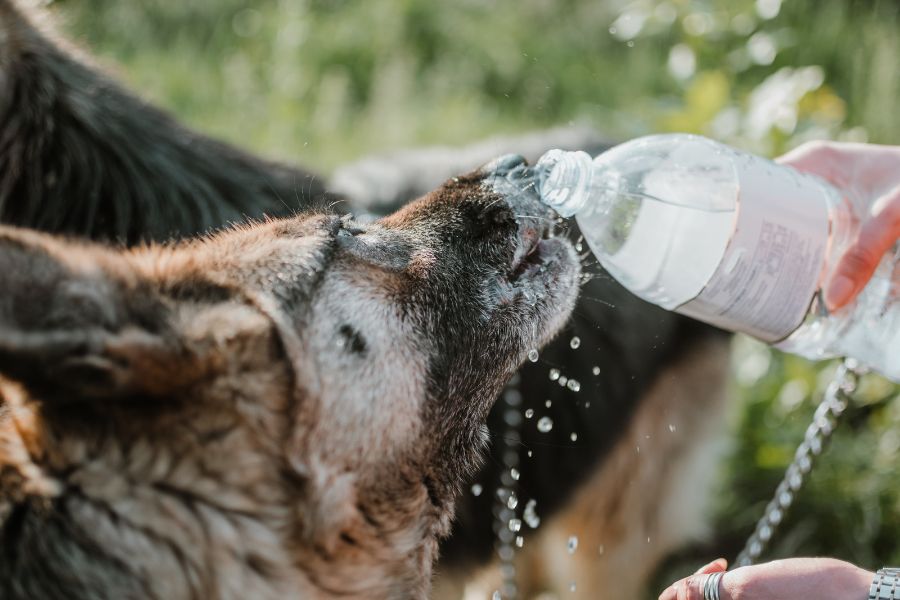
When caring for your senior pet, you likely consider their diet, exercise, and veterinary checkups. However, hydration is just as important for your senior pets, ensuring they drink enough water, which is vital for their overall health and lifespan, yet it is often overlooked. Dehydration can occur silently in older animals and lead to serious health problems if not addressed. So, how can you make sure they stay properly hydrated?
What Hydration Means for Senior Pet Health
Hydration is crucial for the well-being of all pets and becomes even more vital as they grow older. Maintaining proper fluid intake aids in detoxifying the body, supports joint function, and enhances digestive processes, which are essential aspects of caring for senior pets.
Unfortunately, as pets age, they may drink less due to health issues like arthritis, dental problems, or a diminished sense of taste. This can lead to dehydration, which often goes unnoticed until complications such as urinary tract infections, kidney issues, or constipation develop.
How to Maximize Hydration for Your Senior Pet?
1. Provide Fresh Water Often
To keep your senior pet well-hydrated, always provide fresh water. Older pets can be more particular about taste, so changing the water regularly helps. Ensure the water bowl is clean and place multiple bowls around your home for easy access.
2. Consider Wet Food
Wet food encourages increased water consumption among seniors, who frequently resist drinking enough fluids. Selecting high-quality, nutrient-dense options can support proper hydration in older adults.
3. Try a Pet Water Fountain
Many pets prefer fountains over bowls because the moving water attracts their attention, encouraging them to drink more often, especially if they have a diminished sense of smell.
4. Add Water to Their Food
If your pet isn’t drinking enough water, add water or broth to their dry food to boost hydration without them noticing. Ensure the broth is low-sodium and free of harmful ingredients like onions or garlic.
5. Monitor Their Water Intake
Carefully monitor your pet’s daily water intake. If you notice a substantial decrease, consult a veterinarian promptly. Such changes can be indicative of underlying conditions like kidney disease or diabetes, which are frequently seen in older animals.
The Unseen Effects of Dehydration on Senior Pets
Failing to treat dehydration early can lead to serious health problems for your older pet. It can make joint pain worse and limit their ability to move, which may increase arthritis and other health issues related to aging. Dehydration can also make your pet lose their appetite, creating a cycle where their health and hydration both get worse. If these issues are not addressed, they can greatly lower your pet’s quality of life.
Steps to Avoid Dehydration
- Hydration Monitoring: Monitor your pet’s daily water consumption and document any variations in their drinking behavior.
- Frequent Vet Checkups: Regular visits to the veterinarian for checkups facilitate the early detection of potential dehydration-related issues.
- Incorporate Hydration into Daily Routines: Integrate water intake into your pet’s daily activities by including hydration pauses during walks and play sessions.
Keep Your Senior Pet Hydrated for Better Health
Proper hydration is crucial for caring for senior pets, so it’s vital to ensure they stay well-hydrated as they age. Effective methods such as providing fresh water regularly, offering wet food, and using a pet water fountain can increase water intake and reduce the risk of dehydration. By paying close attention to your senior pet’s drinking habits, you can support their health and well-being.
If you are worried about your senior pet’s health, consider arranging a consultation with a trusted senior pet care in Madison, WI, for further advice and support.
Frequently Asked Questions(FAQs):
1. How much water should my senior pet drink each day?
A: The amount varies based on size, diet, and health, but generally, pets should drink 1 ounce of water per pound of body weight daily. Seniors may need a little extra, especially if they have health issues.
2. Can I add flavor to my pet’s water to encourage them to drink?
A: Yes, adding low-sodium broth or ice cubes made from the broth can encourage pets to drink. Make sure the broth is free of harmful ingredients such as onions, garlic, or artificial sweeteners.
3. Why are senior pets at greater risk for dehydration?
A: Senior pets often have a reduced thirst drive and may experience health issues like kidney disease or dental problems, which can make drinking less appealing or more difficult. This increases their risk for dehydration.
4. What are the signs that my senior pet is dehydrated?
A: Signs include dry gums, sunken eyes, lethargy, loss of appetite, and reduced skin elasticity. If your pet shows any of these symptoms, it’s essential to act quickly by contacting a Veterinarian.
5. Can dehydration cause my senior pet to stop eating?
A: Yes, dehydration can lead to decreased appetite and overall lethargy. Pets that don’t drink enough water may lose their interest in food, which can worsen their condition over time.