4214 Milwaukee Street, Madison, WI 53714


Winter Emergency Preparedness Tips for Dog and Cat Owners
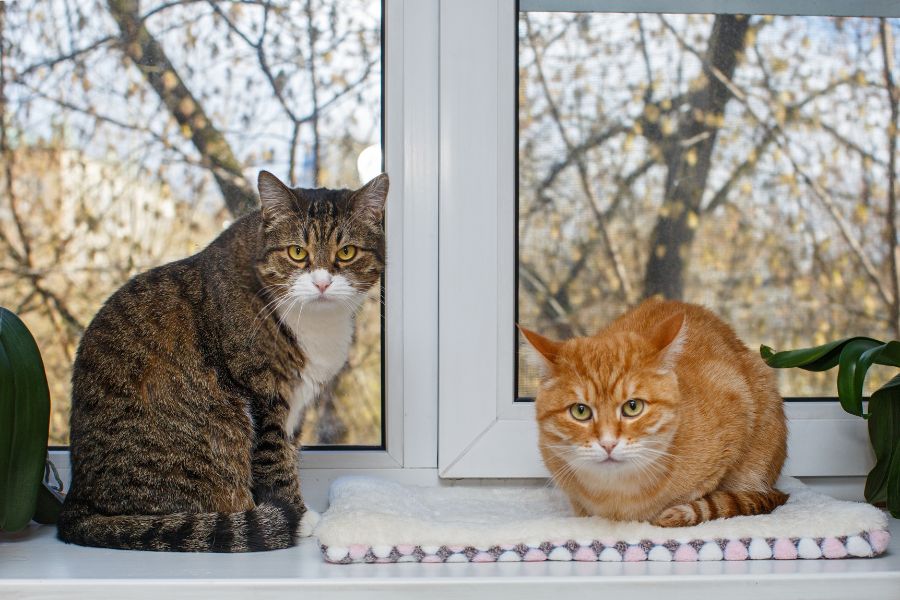
When temperatures drop and storms roll in, pets are affected first and most. Because winter emergencies often arrive with little warning, a calm plan should be put in place before the first snowflake falls. With a few proactive steps, safety can be protected, stress can be reduced, and quick action can be taken when it counts.
Know Your Winter Risks
Before the season settles in, common threats should be identified so your plan can be matched to real conditions.
- Snow and ice storms can lead to road closures and delays in veterinary care.
- Power outages and broken furnaces can cause rapid indoor temperature drops.
- Antifreeze spills, rodent poisons, and de-icers pose toxic risks.
- Frostbite and hypothermia can occur faster than expected, especially in seniors, small breeds, and short-haired cats or dogs.
Consequently, a layered approach—home readiness, go-bags, and evacuation planning—should be adopted.
Build a Pet Go‑Bag
If a fast evacuation is required or a long power outage occurs, a pet go-bag will save time and worry. It should be stored near your human emergency kit and should be checked at the start of each season.
Pack the following:
- Food and water: 3–7 days of food in waterproof containers, plus bottled water. A collapsible bowl should be included.
- Medications and supplements: a 2‑week supply, clearly labeled with dosing instructions. A copy of the prescriptions should be saved.
- Medical records: vaccination history, allergies, and recent exam notes. Both printed and digital copies are recommended.
- Identification: a current photo, microchip number, and up-to-date tags. A backup ID tag should be attached to the carrier.
- Leashes, harnesses, and carriers: sturdy, well-fitted gear; for cats, a hard-sided carrier with a blanket is ideal.
- Warmth and protection: a coat or sweater, booties, paw balm, and an emergency blanket or fleece.
- Hygiene: waste bags, puppy pads, pet-safe wipes; for cats, a small litter pan and a gallon-size bag of litter.
- First-aid kit: gauze, non-stick pads, self-adhesive wrap, saline, styptic powder, digital thermometer, blunt-tip scissors, and tweezers. A pet-safe antiseptic should be included.
- Comfort items: a favorite toy or shirt that smells like home to reduce stress.
Additionally, a portable phone charger, flashlight, and laminated emergency contacts list should be added to your kit.
Prepare Your Home for Shelter-in-Place
If travel is unsafe, it is likely your household will be sheltering at home. Therefore, the home environment should be readied for cold snaps and icy conditions.
- Heat conservation: a warm “core room” should be chosen and insulated with towels around door gaps. Pets should sleep elevated on blankets rather than on tile.
- Safe heating: space heaters should be kept behind barriers, and tails or paws should be kept away. Carbon monoxide detectors must be installed and tested.
- Water access: bowls should be placed away from exterior walls so freezing is less likely. Hydration should be monitored, as winter air is drying.
- Ice-melt safety: pet-safe de-icers should be used on steps and sidewalks. After walks, paws should be rinsed and dried to remove salt and chemicals.
- Outdoor housing: dog houses should be insulated and raised; nevertheless, during severe cold, pets should be brought indoors. Cats should not be left outside or in garages where chemicals are stored.
Plan for Evacuation
If leaving home becomes necessary, pets should be evacuated with you—never left behind.
- Routes and shelters: pet-friendly hotels and emergency shelters should be identified in advance, including at least one option in a neighboring town.
- Carrier training: cats and small dogs should be acclimated to carriers before emergencies. Short practice sessions can be used, so loading is easier.
- Car readiness: a winter car kit should include a blanket, extra water, a spare leash, a litter tray with litter, towels, and a flashlight.
- Identification: carriers should be labeled with your name, phone, and an out-of-area contact in case local networks are down.
Furthermore, a window cling that notes “Pets Inside” should be placed near your front door for first responders.
Navigate Power Outages and Heat Loss
When the power goes out, the temperature can fall quickly, especially in older homes. Comfort measures and safe warming techniques should be prioritized.
- Layering and warmth: sweaters and booties should be used for dogs; cats should be offered a covered “den” with blankets. Heating pads designed for pets may be used on the lowest setting and never unattended.
- Safe alternatives: candles and open flames should be avoided. If a generator is used, it must be placed outdoors away from vents to prevent carbon monoxide buildup.
- Food and meds: medication that requires refrigeration should be stored in a cooler with ice packs. Dosing schedules should be maintained with smartphone alarms or a written checklist.
As soon as power returns, room temperatures should be brought up slowly to reduce stress.
Guard Health in Cold Weather
Cold weather can stress the body, and warning signs should be recognized early.
- Hypothermia signs: shivering, lethargy, clumsy gait, pale gums, and slowed heart rate. The pet should be warmed gradually with blankets and warm (not hot) packs wrapped in towels.
- Frostbite signs: pale, blue, or gray skin on ears, paws, or tail; the area may become red and swollen after rewarming. Rubbing or massaging should be avoided; lukewarm water can be used, and veterinary guidance should be sought.
- Nutrition and hydration: slightly higher calories may be needed for active or outdoor-leaning pets. Water should be checked often to ensure it is not frozen.
- Paw care: nails should be kept trimmed to improve traction on ice; paw balm should be applied before and after walks.
For a winter wellness check and personalized advice, a Madison veterinarian can be consulted.
After the Storm: Return to Routine Safely
After conditions improve, hazards should still be expected.
- Leashed walks should be resumed first so hidden ice and downed lines can be avoided.
- Garages and driveways should be checked for antifreeze or chemical spills before pets are allowed to roam.
- Mental enrichment—snuffle mats, puzzle feeders, and short training sessions—should be provided if outdoor time remains limited.
Finally, your winter plan and go-bag should be reviewed after each event so gaps can be closed while experiences are fresh. By preparing now, it is far more likely that calm decisions will be made later—and that your best friend will stay safe, warm, and by your side all winter long.