4214 Milwaukee Street, Madison, WI 53714


How to Protect Your Furniture from Your Cat’s Claws
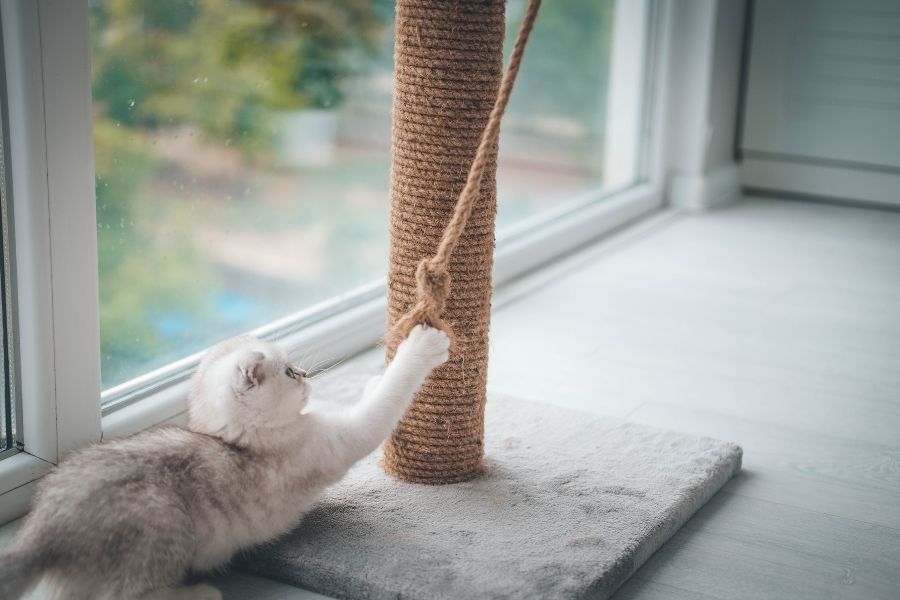
Cats bring comfort, personality, and energy into a home—but their scratching habits can quickly turn a beautiful couch or table into a worn-out surface. If you’ve ever wondered why your cat ignores the expensive scratching post and goes straight for your furniture, you’re not alone.
This guide takes a clear, practical approach to understanding why cats scratch furniture and how to redirect that behavior in a way that works for both you and your cat. If you’re searching for how to stop cats from scratching furniture, this article will walk you through realistic, proven solutions.
Why Do Cats Scratch Furniture?
Before trying to fix the behavior, it helps to understand it. Scratching is not bad behavior—it’s a natural and necessary action for cats.
1. Claw Maintenance
Cats scratch to remove the outer layer of their claws. This keeps their claws sharp and healthy.
2. Territory Marking
Cats have scent glands in their paws. Scratching leaves both a visual mark and a scent, helping them claim their space.
3. Stretching and Exercise
Scratching allows cats to stretch their muscles, especially along their back and shoulders.
4. Stress Relief
Scratching can help cats release tension or anxiety, especially in busy households or new environments.
Understanding these reasons helps you approach the problem with clarity rather than frustration.
How Do I Stop Cat Scratching Furniture?
The goal is not to stop scratching—it’s to redirect it. When you give your cat better options and guide their behavior, you protect your furniture without creating stress.
Choose the Right Scratching Post
Not all scratching posts are equal. Many cats ignore them because they don’t meet their needs.
What to Look For:
- Height: Tall enough for a full body stretch
- Stability: Should not wobble or tip over
- Material: Sisal, cardboard, or natural wood
- Placement: Near areas your cat already scratches
Pro Tip
If your cat scratches your sofa arm, place the scratching post right next to it. Gradually move it once your cat starts using it.
Make Your Furniture Less Appealing
If your furniture feels better than the scratching post, your cat will always choose it.
Simple Ways to Deter Scratching:
- Use double-sided tape on common scratching spots
- Cover areas with furniture protectors or slipcovers
- Try pet-safe deterrent sprays with scents cats dislike
These methods don’t harm your cat—they simply make the surface less enjoyable.
Reward Positive Behavior
Cats respond better to encouragement than punishment.
How to Reinforce Good Habits:
- Offer treats when your cat uses the scratching post
- Use praise or gentle petting
- Add catnip to scratching posts to attract attention
Consistency matters. Reward the behavior every time in the early stages.
Trim Your Cat’s Nails Regularly
Keeping your cat’s nails trimmed reduces the damage caused by scratching.
Basic Nail Care Tips:
- Trim every 2–3 weeks
- Use cat-specific nail clippers
- Avoid cutting too close to the quick
If you’re unsure, a veterinarian can show you the correct technique. You can also visit our website to learn more about safe grooming and preventive care options.
Use Protective Solutions for Furniture
Sometimes prevention is the most practical solution.
Helpful Options:
- Scratch guards for couch corners
- Clear adhesive protectors
- Washable furniture covers
These options are especially useful during training periods.
Create an Enriching Environment
A bored cat is more likely to scratch furniture out of frustration.
Ways to Keep Your Cat Engaged:
- Provide climbing trees or shelves
- Rotate toys regularly
- Schedule daily play sessions
Mental and physical stimulation reduces destructive behavior.
Avoid Punishment
Punishing your cat for scratching furniture often backfires.
Why Punishment Doesn’t Work:
- Cats don’t associate punishment with past actions
- It creates fear and confusion
- It may increase stress-related scratching
Instead, focus on redirection and positive reinforcement.
When to Seek Professional Help
If scratching becomes excessive or sudden, it could signal an underlying issue.
Possible Concerns:
- Anxiety or environmental stress
- Skin irritation or discomfort
- Changes in routine or household
A veterinarian can help identify any health or behavioral concerns and guide you toward effective solutions.
How to Stop Cats from Scratching Furniture: A Simple Action Plan
To make it easier, here’s a clear plan you can follow:
- Understand why your cat scratches
- Provide better scratching alternatives
- Make furniture less appealing
- Reward positive behavior consistently
- Maintain regular nail care
- Create a stimulating home environment
This approach addresses both the cause and the behavior, making it more effective long-term.
Conclusion: A Balanced Approach Works Best
Protecting your furniture doesn’t mean stopping your cat from being a cat. Scratching is part of their natural behavior, and the goal is to guide it in the right direction.
By understanding your cat’s needs and using simple, consistent strategies, you can reduce damage while keeping your pet happy and healthy. If scratching habits seem unusual or difficult to manage, it’s worth taking the next step. Book an appointment with a trusted veterinary professional to rule out any underlying concerns and get personalized guidance.
Frequently Asked Questions (FAQs):
1. Why does my cat scratch furniture even with a scratching post?
A: Your cat may not like the post’s material, height, or location. Try different types and place them near problem areas.
2. How to stop cats from scratching furniture without harming them?
A: Use deterrents like tape, provide appealing alternatives, and reward good behavior. Avoid punishment.
3. Are nail caps a good solution?
A: Yes, nail caps can reduce damage. They are safe when applied correctly and replaced regularly.
4. How often should I trim my cat’s nails?
A: Most cats need nail trimming every 2–3 weeks to keep claws manageable.
5. Do deterrent sprays really work?
A: They can be effective when used consistently, especially when combined with training and redirection.
6. When should I worry about excessive scratching?
A: If scratching suddenly increases or comes with other behavior changes, consult a veterinarian.