4214 Milwaukee Street, Madison, WI 53714


Which Cat Breeds Are Best for Allergy Sufferers?
Living with cat allergies does not always mean giving up the idea of having a feline companion. Some breeds produce fewer allergens or shed less, making them more suitable for sensitive households.
This guide explains what causes reactions, highlights suitable breeds, and shares practical ways to reduce exposure at home. It also helps you decide if a specific breed fits your lifestyle. For pet owners in Madison, this information can make the process of choosing a cat more manageable and realistic.
What Causes Cat Allergies?
Cat allergies are usually triggered by a protein called Fel d 1. This protein is found in a cat’s saliva, skin, and dander. When cats groom themselves, the protein spreads to their fur and into the environment. Tiny particles become airborne and settle on furniture, carpets, and clothing.
Hair length does not always determine allergen levels. Some long-haired cats may cause fewer reactions than short-haired breeds. Individual sensitivity varies. Spending time with a breed before adoption can help you understand your reaction level.
Are There Truly Hypoallergenic Cats?
No cat is completely hypoallergenic. Some breeds produce fewer allergens or release less dander into the environment. These cats are often labeled as allergy-friendly cat breeds because they are easier for many people to tolerate.
Lifestyle habits also matter. Grooming routines, cleaning frequency, and indoor air quality all affect allergen levels. Choosing the right breed is only one part of the solution.
Cat Breeds That May Suit Allergy Sufferers
1. Siberian
Despite its thick coat, the Siberian often produces lower levels of Fel d 1. Many allergy sufferers report fewer symptoms around this breed. Regular grooming helps manage loose fur and dander.
2. Balinese
The Balinese has a silky coat and produces less of the allergen protein compared to other breeds. It is social and enjoys interaction, making it a good choice for families.
3. Bengal
Bengals have short, fine coats that require minimal grooming. They shed less, which reduces the spread of allergens in the home. Their active nature suits owners who enjoy playful pets.
4. Devon Rex
The Devon Rex has a soft, curly coat that sheds very little. Less shedding means fewer allergens in the environment. Their unique appearance and friendly personality make them popular.
5. Cornish Rex
This breed has only a soft undercoat and lacks the outer layers seen in most cats. It sheds minimally and feels velvety to the touch. Frequent cleaning of bedding helps maintain a low-allergen space.
6. Sphynx
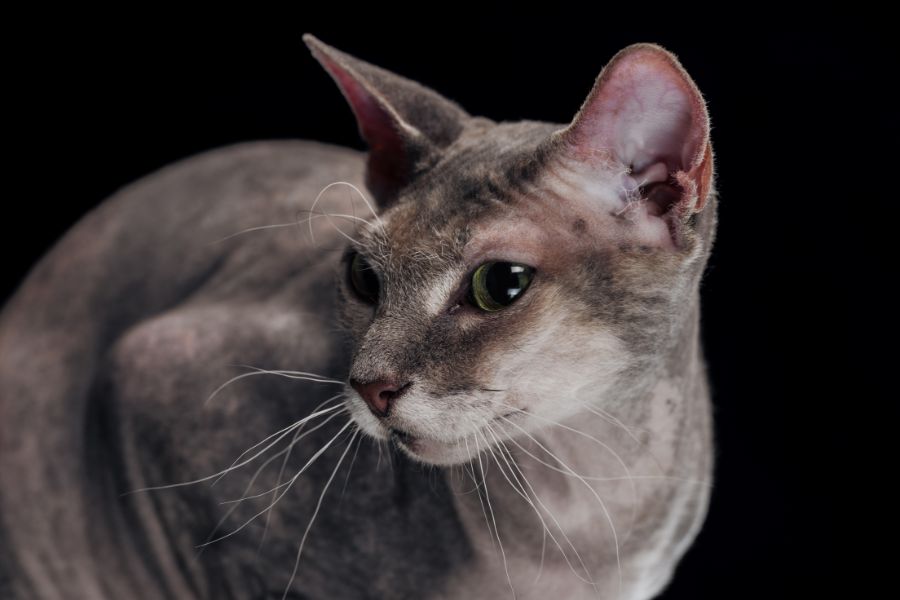
The Sphynx is hairless, which reduces shedding. It still produces allergens through skin oils and saliva. Regular bathing helps remove buildup and keeps allergen levels lower.
How to Reduce Allergens at Home
Even with a suitable breed, managing your environment plays a major role in comfort.
1. Maintain a Cleaning Routine
Vacuum carpets and upholstery using a HEPA filter. Wash bedding, curtains, and pet items regularly. Clean surfaces where dander may collect.
2. Create Pet-Free Zones
Keep bedrooms or specific areas off-limits to your cat. This helps create a space with reduced allergen exposure.
3. Improve Air Quality
Use air purifiers with HEPA filters. Good ventilation lowers airborne allergens and improves overall indoor comfort.
4. Groom Your Cat Regularly
Brushing helps remove loose fur and dander. Some cats benefit from occasional baths, especially breeds like the Sphynx.
5. Wash Hands After Interaction
Simple hygiene habits reduce the transfer of allergens to your face and clothing.
Choosing the Right Cat for Your Lifestyle
Selecting a cat involves more than allergy considerations. Energy levels, grooming needs, and temperament all matter. Spend time with the breed before making a decision. Visit shelters or breeders and observe how your body reacts.
Local climate also plays a role. In Madison, seasonal changes may affect indoor air quality. Winter often means closed windows and increased allergen buildup. Summer humidity can influence how allergens settle in the home.
When to Seek Guidance
If allergies interfere with daily life, consulting a professional can help. Testing and personalized advice provide clarity on triggers and management options. Some individuals benefit from medications or allergy treatments.
If you’re located in Madison and looking for trusted veterinary care near you, then schedule an appointment with Truesdell Animal Care Hospital. You can also explore their full range of pet wellness services by visiting the homepage to better understand how they support long-term pet health.
Living Comfortably with Cats
Many allergy sufferers successfully share their homes with cats. The key lies in understanding your sensitivity and making informed choices. A combination of the right breed and consistent home care creates a more comfortable environment.
Patience is important. Adjusting to a new pet may take time. Monitor your symptoms and make gradual changes to improve your living space.
Conclusion
Choosing a cat while managing allergies requires careful planning and realistic expectations. Some breeds may reduce exposure, while daily habits help control allergens. A thoughtful approach allows many people to enjoy companionship without constant discomfort. Exploring different options and preparing your home can make a significant difference in your experience with a cat.
We are conveniently located in Madison, WI. Reach out to our facility at 4214 Milwaukee St, Madison, WI 53714 – where compassionate care and community come together for your pet’s well-being.
Frequently Asked Questions(FAQs):
1. Which cat breed is best for severe allergies?
A: No breed is completely safe for severe allergies. Breeds like Siberian or Balinese may be easier to tolerate. Personal sensitivity varies, so spending time with the cat before adoption is strongly recommended.
2. Do hairless cats eliminate allergy problems?
A: Hairless cats like the Sphynx reduce shedding but still produce allergens through skin oils and saliva. Regular bathing and cleaning routines are necessary to keep allergen levels manageable.
3. Can air purifiers help with cat allergies?
A: Air purifiers with HEPA filters can reduce airborne allergens. They work best when combined with regular cleaning and proper ventilation throughout the home.
4. How often should I groom my cat to reduce allergens?
A: Brushing a few times a week helps remove loose fur and dander. Some breeds benefit from occasional baths. Grooming frequency depends on the coat type and shedding pattern.
5. Are mixed-breed cats better for allergy sufferers?
A: Mixed-breed cats vary in allergen production. Some may produce fewer allergens, but there is no guarantee. Spending time with the individual cat is the best way to assess compatibility.
6. Is it possible to build tolerance to cat allergens?
A: Some people develop mild tolerance over time, though this is not guaranteed. Symptoms may decrease with consistent exposure and proper home management, but medical advice is recommended for persistent issues.