4214 Milwaukee Street, Madison, WI 53714


Kitten, Junior, Adult, Senior — Is Your Cat Getting the Right Care for Their Life Stage?
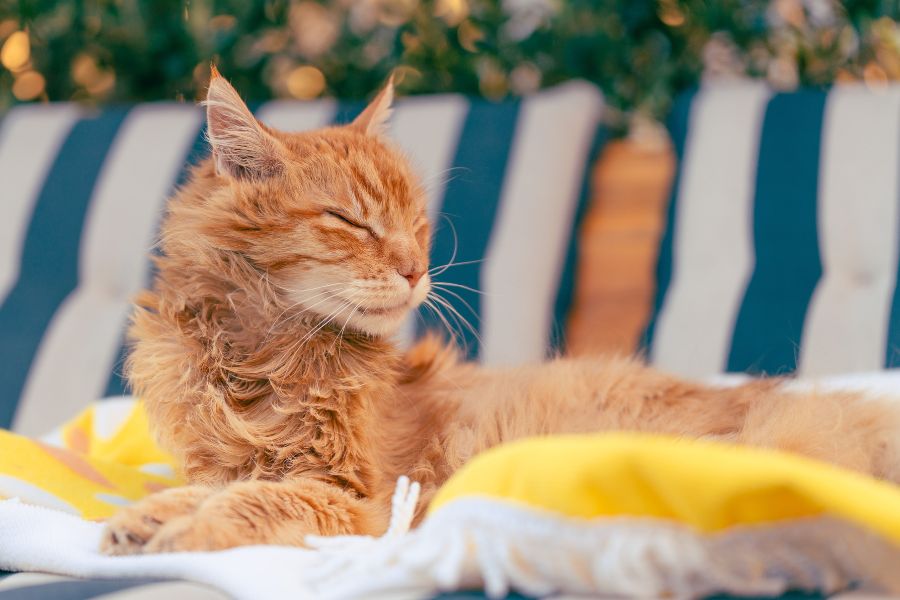
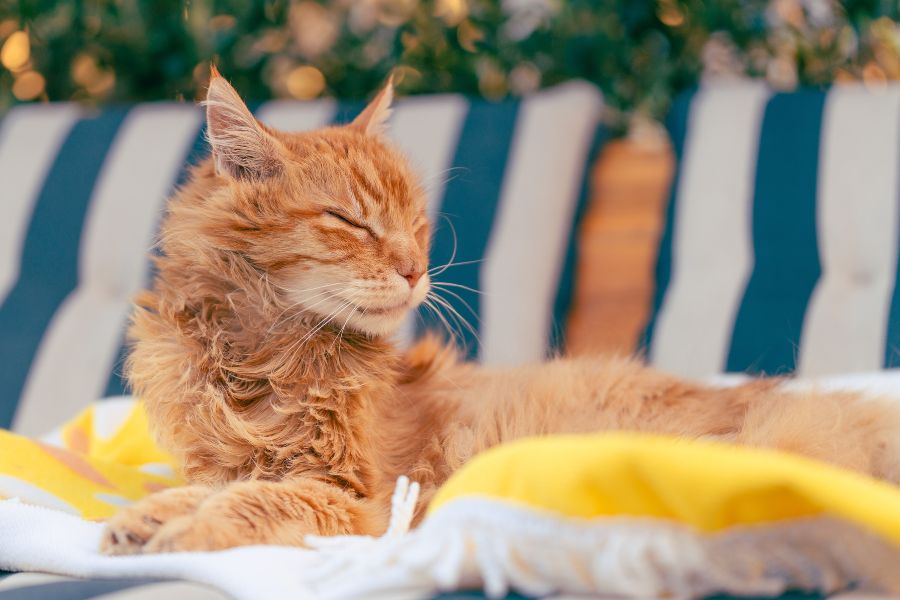
Every cat grows and changes in unique ways. A playful kitten needs guidance and healthy habits. A junior cat needs activity and stimulation. Adult cats benefit from consistent routines and balanced wellness support. Senior cats often require comfort-focused care and closer attention to changes in mobility, appetite, and behavior.
Understanding these life stages helps owners make thoughtful decisions about feeding, exercise, grooming, and regular health checks. This guide explains what cats need during each stage of life and ways to create a happier home for your companion. Families in Madison can use these care ideas to support wellness.
Why Life Stage Care Matters
Cats experience physical and behavioral changes throughout life. Their energy levels, nutritional needs, and habits shift with age. Owners who recognize these changes early can support healthier routines and improve comfort.
Caring for a Kitten
Building Healthy Habits Early
Kittens learn quickly during the first year of life. Gentle handling and play sessions help them develop confidence. Interactive toys encourage movement.
Litter box training should remain simple and consistent. Clean spaces help kittens feel secure and reduce accidents around the home. Scratching posts also protect furniture.
Nutrition for Growing Cats
Young cats need balanced meals that support growth and energy. Portion sizes should match age and activity level. Fresh water should remain available.
Many owners benefit from learning about age-appropriate cat nutrition because feeding needs change over time. Nutritional balance during kittenhood supports muscle development and healthy digestion.
Supporting Junior Cats
Junior cats often appear independent, though they still need structure and engagement. This stage Daily play sessions help prevent boredom and destructive habits.
1. Mental and Physical Activity
Climbing towers, puzzle feeders, and window perches encourage movement and stimulation. Indoor cats benefit from activities that mimic hunting behavior.
Consistent schedules help junior cats feel secure. Feeding and playtime routines create stability.
2. Preventing Weight Gain
Some junior cats begin gaining excess weight because of inactivity or frequent treats. Measuring meals and encouraging exercise helps maintain a healthy body condition.
Caring for Adult Cats
Adult cats often settle into predictable routines. Many become calmer and more selective about activity. Owners should continue supporting exercise and dental care.
1. Monitoring Daily Behavior
Changes in sleeping habits, grooming, or appetite may signal discomfort. Adult cats sometimes hide signs of stress or illness. Paying attention to small behavioral changes supports earlier care decisions.
Regular grooming sessions also help owners notice skin irritation.
2. Creating a Comfortable Environment
Adult cats enjoy spaces that feel safe and quiet. Soft resting areas, clean litter boxes, and accessible water stations support comfort.
Helping Senior Cats Stay Comfortable
Senior cats deserve extra patience and support. Aging may affect mobility.
1. Mobility and Home Adjustments
Soft bedding and easy-to-reach litter boxes help senior cats move comfortably. Pet stairs or ramps may support access to favorite resting places.
Owners should also monitor changes in jumping ability or stiffness after naps.
2. Appetite and Hydration
Older cats sometimes eat smaller meals or drink less water. Wet food options may help increase moisture intake. Quiet feeding spaces often encourage eating habits.
Senior cats benefit from calm routines and gentle interaction. Short play sessions help maintain well-being.
Signs Your Cat May Need Extra Attention
Cats communicate through behavior, appetite, and body language. Owners should pay attention to noticeable changes, including:
- Sudden weight gain or loss
- Reduced activity levels
- Increased hiding
- Changes in litter box habits
- Excessive vocalization
- Poor grooming habits
Creating a Lifelong Wellness Routine
Cats thrive when daily care remains predictable and supportive. Balanced meals, clean environments, mental stimulation, and regular checkups all contribute to wellness.
Owners should also create opportunities for bonding throughout every life stage. Gentle brushing and quiet companionship strengthen trust and emotional connection.
At Truesdell Animal Care Hospital and Clinic, we support cats through every stage of life with your pet’s needs.
Conclusion
Every stage of a cat’s life brings different joys, habits, and responsibilities. Understanding these changes allows owners to make informed choices that support comfort and long-term wellness. From playful kittens to aging companions, thoughtful daily care helps cats feel safe and connected with their families.
If you are located in Madison, connect with our team at Truesdell Animal Care Hospital and Clinic, where compassionate care and community support come together for your pet’s well-being.
Frequently Asked Questions(FAQs):
1. How often should kittens eat during the day?
Kittens need several meals daily because they grow quickly and use a lot of energy. Consistent feeding schedules support digestion and proper development during the first year of life.
2. What activities help indoor cats stay active?
Interactive toys, climbing towers, puzzle feeders, and short play sessions encourage exercise and mental stimulation. Indoor cats benefit from activities that support natural hunting instincts and reduce boredom.
3. When does a cat become a senior?
Many cats begin entering the senior stage around ten years of age. Reduced activity, stiffness, and changes in sleeping habits often appear during later years.
4. Why do adult cats hide signs of discomfort?
Cats naturally avoid showing weakness because of instinctive survival behavior. Changes in appetite, grooming, sleep, or litter box habits may provide early clues that additional attention is needed.
5. How can owners support senior cat mobility?
Soft bedding, ramps, low-entry litter boxes, and accessible resting spaces help older cats move comfortably. Gentle daily activity and supportive home adjustments may improve confidence and reduce strain.
6. Why are regular wellness visits important for cats?
Routine wellness visits help monitor weight, behavior, nutrition, and overall condition throughout every life stage. Early observation of changes often supports better long-term comfort and quality of life.