4214 Milwaukee Street, Madison, WI 53714

Husky Lifespan by Generation: What Owners Should Know
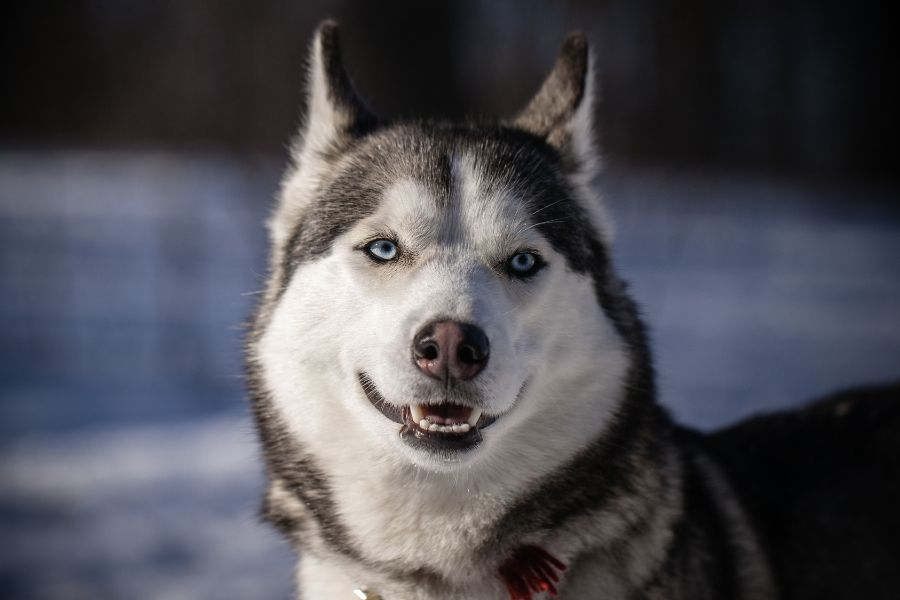
If you share your home with a Husky, you already know these dogs bring plenty of energy, personality, and curiosity into everyday life. But one question comes up for almost every Husky owner: How long will my Husky live?
The average Siberian Husky lifespan is generally around 12 to 14 years, although individual dogs can live shorter or longer lives. Genetics, diet, exercise, preventive care, weight, environment, and overall health all influence how a Husky ages.
You may also see information online about a Husky’s lifespan “by generation.” This wording can be confusing. Unlike some dog breeding terms, there is no standard medical system that divides Siberian Huskies into generations with a different guaranteed lifespan for each one. A Husky’s generation does not determine exactly how many years it will live.
What matters more is the dog’s family history, health, lifestyle, and care throughout its life. Understanding these factors can help you make informed decisions at every stage.
What Is the Average Husky Lifespan?
Most Siberian Huskies live about 12 to 14 years. Some reach their mid-teens, while others develop health problems earlier in life.
There is no exact age that applies to every Husky. Two dogs from the same litter can have very different health outcomes. One may remain active well into old age, while another may develop a condition that affects its quality of life sooner.
This is why lifespan should be viewed as a range rather than a promise.
A useful way to think about your Husky’s life is through its major life stages:
- Puppy: Birth to about 1 year
- Young adult: About 1 to 3 years
- Adult: About 4 to 7 years
- Mature adult: About 8 to 10 years
- Senior: Around 10 years and older
These ages are general guidelines. A dog’s health and behavior matter just as much as the number on the calendar.
Does a Husky’s Generation Affect Its Lifespan?
This is where owners should be careful with online claims.
Terms such as first-generation, second-generation, or later-generation are sometimes used when discussing breeding lines, crosses, or designer dogs. They do not create a reliable lifespan chart for Siberian Huskies.
For example, saying that one “generation” of Huskies will live longer than another oversimplifies a much more complicated issue. A dog’s parents, grandparents, inherited traits, breeding practices, living conditions, nutrition, and medical history all contribute to its health.
What Actually Matters More Than Generation?
If you are choosing a Husky puppy, looking at the health history of its parents can be much more useful than focusing on a generation label.
Ask about:
- The age and health of the parents
- Known inherited conditions in the family
- Health screening performed on breeding dogs
- Previous health problems in older relatives
- The puppy’s early nutrition and care
- Vaccination and parasite prevention history
A responsible breeder should be willing to discuss health history openly. If someone claims that a particular generation automatically guarantees a longer life, treat that claim carefully.
Husky Lifespan by Life Stage
Understanding what your dog needs at different ages can make a bigger difference than focusing on generation.
1. Puppy Years: Building a Healthy Foundation
The first year is a period of rapid growth and learning. Puppies need balanced nutrition, appropriate exercise, socialization, training, and routine health care.
Huskies are active dogs, but young puppies should not be pushed into intense or repetitive exercise before their bodies are ready. Short walks, play sessions, training games, and age-appropriate activities are better ways to help a puppy develop.
This is also the time to establish habits that can last for years. Teaching your Husky to accept brushing, nail care, tooth brushing, handling, and regular checkups can make future care much easier.
2. Young Adulthood: Energy and Activity
From roughly one to three years old, Huskies are often full of energy. This is when their exercise needs and personality become more obvious.
Regular physical activity is important, but Huskies also need mental stimulation. Puzzle toys, scent games, obedience training, hiking, and supervised play can help prevent boredom.
A bored Husky can become creative in ways you may not appreciate. Digging, escaping, chewing, and other unwanted behaviors can develop when a highly active dog does not receive enough stimulation.
3. Adult Years: Maintaining Good Habits
During adulthood, maintaining a healthy weight becomes especially important.
Extra body weight places additional stress on joints and can make exercise harder. Measure meals rather than guessing portions, keep treats reasonable, and adjust food intake when activity levels change.
Routine health visits are also useful during this stage. Your dog’s needs may change as it gets older, even when it still looks perfectly healthy.
4. Senior Years: Watching for Subtle Changes
Huskies can remain active well into their senior years. However, aging can bring gradual changes that are easy to overlook.
You may notice that your dog:
- Sleeps more than before
- Takes longer to get up
- Avoids stairs or jumping
- Tires during walks
- Gains or loses weight
- Drinks more water
- Has changes in appetite
- Becomes less interested in play
- Develops cloudy-looking eyes
- Acts differently at night
Aging itself is not a diagnosis. A noticeable change in behavior, appetite, movement, or bathroom habits deserves attention rather than being automatically blamed on age.
Common Health Concerns That Can Affect a Husky’s Lifespan
Siberian Huskies are generally considered a relatively healthy breed, but they can still develop certain health problems.
1. Eye Conditions
Huskies can be affected by several eye disorders. Vision changes may be gradual, so owners should watch for bumping into objects, hesitation on stairs, unusual eye appearance, or difficulty navigating familiar spaces.
2. Hip and Joint Problems
Joint issues can affect mobility and comfort. Keeping your Husky at a healthy weight and providing regular, controlled exercise can support joint health.
If your dog begins limping, struggles to rise, or suddenly avoids activities it once enjoyed, do not assume it is simply getting older.
3. Skin and Coat Problems
A Husky’s thick double coat requires regular grooming. Skin irritation, excessive scratching, bald spots, redness, or unusual odor can point to an underlying problem.
Regular brushing also allows you to notice changes in the skin early.
4. Dental Disease
Oral health is sometimes overlooked, especially when a dog continues eating normally. Bad breath, swollen gums, tartar buildup, drooling, or difficulty chewing can indicate dental trouble.
Daily tooth brushing with products made for dogs is one of the most useful habits owners can establish.
How Can You Help Your Husky Live a Longer, Healthier Life?
You cannot control every part of your dog’s genetics, but you can control many everyday factors.
1. Feed a Balanced Diet
Choose food that meets your dog’s nutritional needs and life stage. Portion control matters just as much as food quality.
Avoid making frequent diet changes without a clear reason, and remember that treats contribute to daily calorie intake.
2. Keep Your Husky Active
Exercise supports physical health and gives Huskies an appropriate outlet for their energy.
Aim for consistent activity rather than occasional extreme workouts. Your dog’s age, fitness level, and health should determine how much exercise is appropriate.
3. Maintain a Healthy Weight
You should be able to feel your Husky’s ribs without pressing hard, while the waist should be visible when viewed from above.
If you are unsure whether your dog is at a healthy weight, ask during a routine health visit.
4. Stay Current With Preventive Care
Routine checkups can help identify changes before they become major problems. Vaccinations, parasite prevention, dental care, screening, and regular physical exams all play a role in long-term health.
Senior Huskies may benefit from more frequent monitoring because health problems can become more common with age.
5. Pay Attention to Changes
You know your dog’s normal behavior better than anyone else.
A Husky that suddenly stops playing, sleeps much more, eats differently, drinks excessively, or struggles to move is communicating that something has changed.
Early attention can make a meaningful difference.
Can You Predict How Long Your Husky Will Live?
Not precisely.
A breeder may provide information about a dog’s parents and relatives, but family history cannot predict an exact lifespan. A Husky with healthy parents can still develop an unexpected illness. Another dog with less impressive family history may remain healthy into its senior years.
Instead of asking, “How many years does my Husky have left?” it can be more helpful to ask, “What can I do today to support my dog’s health and quality of life?”
That shift keeps the focus on things you can actually control.
Signs Your Husky May Need Prompt Medical Attention
Some changes should not wait for a routine appointment. Seek prompt professional care if your Husky has trouble breathing, collapses, experiences repeated vomiting, has a seizure, suffers a serious injury, cannot urinate, has severe pain, or suddenly becomes extremely weak.
For less urgent changes, make a note of what you are seeing, when it started, and whether it is getting better or worse. Clear information can make it easier to determine the next step.
Conclusion: Focus on Health, Not Just the Number
The idea of a Husky lifespan by generation can make it sound as though a generation label determines how long your dog will live. It does not. There is no standard generation-based lifespan chart that can accurately predict a Siberian Husky’s age at death.
A more useful approach is to understand your dog’s life stage, learn its family health history when possible, maintain a healthy weight, provide regular exercise and balanced nutrition, and pay attention to changes in behavior or physical condition.
Whether your Husky is a playful puppy, an energetic adult, or a slower senior, the goal remains the same: support a healthy, comfortable, active life for as many years as possible.
You cannot control every factor that affects lifespan. You can control the quality of care your dog receives today. That is where responsible Husky ownership makes the biggest difference.
Frequently Asked Questions(FAQs):
1. How long do Siberian Huskies usually live?
A: Siberian Huskies commonly live around 12 to 14 years. Some live beyond this range, while others have shorter lifespans because of inherited conditions, illness, accidents, or other factors.
2. Do male and female Huskies have different lifespans?
A: There is no reliable rule that says male Huskies will always live longer or shorter lives than females. Individual health, genetics, lifestyle, weight, preventive care, and living conditions have a much greater influence.
3. Is a 10-year-old Husky considered a senior?
A: Yes. A Husky around 10 years old is generally considered a senior. However, senior does not mean unhealthy. Many older Huskies remain active and enjoy a good quality of life with appropriate care.
4. What is the oldest age a Husky can reach?
A: There is no fixed maximum age. Some Huskies live into their mid-teens, but reaching a particular age cannot be guaranteed. Good care can support health and longevity, but it cannot eliminate every genetic or age-related risk.
5. Can diet and exercise increase a Husky’s lifespan?
A: Healthy nutrition, regular exercise, weight management, preventive care, dental care, and early attention to health changes can support a longer, healthier life. They cannot guarantee a specific lifespan.