4214 Milwaukee Street, Madison, WI 53714

Great Dane Longevity Guide: Diet, Care, and Lifespan Tips
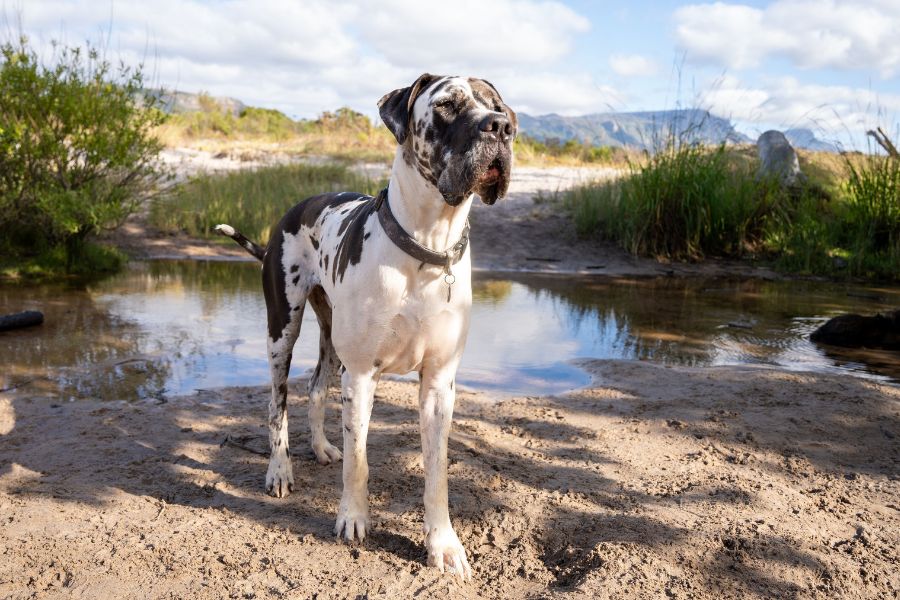
Great Danes are known for their towering size, gentle nature, and loyal companionship. If you share your home with one of these remarkable dogs—or plan to—you may already be wondering how long they live and what you can do to give them the best possible life.
This guide takes a clear, practical look at the life expectancy of great dane dogs, along with proven ways to support their health through diet, care, and daily habits.
Understanding the Life Expectancy of Great Dane Dogs
The life expectancy of great dane dogs typically ranges between 7 to 10 years. This is shorter than many smaller breeds, mainly due to their large size and faster aging process.
Large and giant breeds grow quickly, which puts more strain on their joints, heart, and internal systems. While genetics play a role, lifestyle choices can strongly influence how long and how well your Great Dane lives.
Key Factors That Affect Lifespan
- Genetics and breeding quality
- Diet and nutrition
- Exercise and weight management
- Preventive veterinary care
- Early detection of health conditions
A thoughtful approach to these areas can help extend both lifespan and quality of life.
Why Great Danes Have Shorter Lifespans
Understanding the reasons behind their lifespan helps you take better preventive steps.
1. Rapid Growth Rate
Great Danes grow very fast during their first year. This rapid growth can stress bones and joints, increasing the risk of orthopedic issues.
2. Higher Risk of Certain Conditions
They are more prone to:
- Bloat (gastric dilatation-volvulus)
- Heart disease
- Joint disorders such as hip dysplasia
3. Larger Body Mass
A bigger body requires more energy and puts additional strain on organs, especially as the dog ages.
Diet: The Foundation of Longevity
Nutrition plays a direct role in the life expectancy of great dane dogs. Feeding the right diet supports healthy growth, reduces disease risk, and maintains energy levels.
1. Choosing the Right Food
Look for:
- High-quality protein for muscle maintenance
- Controlled calcium and phosphorus levels for bone health
- Balanced fat content for sustained energy
Avoid overfeeding. Excess weight can shorten your dog’s lifespan by increasing the risk of joint problems and heart disease.
2. Feeding Tips for Great Danes
- Feed 2–3 smaller meals daily instead of one large meal
- Use a slow-feeder bowl if your dog eats too quickly
- Avoid exercise right before and after meals to reduce the risk of bloat
3. Hydration Matters
Always provide fresh, clean water. Proper hydration supports digestion, circulation, and organ function.
Exercise and Physical Activity
Great Danes are not overly hyper, but they still need consistent activity to stay healthy.
1. Daily Exercise Needs
- Moderate walks (20–40 minutes daily)
- Light play sessions
- Gentle training activities
Avoid high-impact exercise, especially in puppies. Their joints are still developing and can be easily injured.
2. Weight Management
Maintaining a healthy weight is one of the simplest ways to improve the life expectancy of Great Dane dogs. Even a small amount of excess weight can lead to long-term health issues.
Preventive Veterinary Care
Routine veterinary visits are essential for early detection and disease prevention.
Regular Checkups
Schedule:
- Annual exams for adult dogs
- Biannual visits for seniors
During these visits, your vet may check:
- Heart health
- Joint condition
- Weight and body condition
- Blood work for early signs of disease
If you notice changes in behavior, appetite, or movement, do not wait. Early action can make a major difference.
If your dog needs professional evaluation or ongoing care, take time to visit our website to learn more about available veterinary services and when to seek help.
Common Health Issues in Great Danes
Knowing what to watch for can help you act quickly.
1. Bloat (Gastric Dilatation-Volvulus)
A life-threatening condition where the stomach twists. Signs include:
- Swollen abdomen
- Restlessness
- Unsuccessful attempts to vomit
This requires immediate emergency care.
2. Heart Disease
Dilated cardiomyopathy is common in Great Danes. Symptoms may include fatigue, coughing, or difficulty breathing.
3. Joint Problems
Hip dysplasia and arthritis can affect mobility. Early management can improve comfort and movement.
4. Bone Cancer
Great Danes have a higher risk of osteosarcoma. Watch for signs of limping or swelling in the limbs.
Mental Stimulation and Emotional Well-being
Longevity is not just about physical health. Mental and emotional care also matter.
1. Keep Their Mind Active
- Training sessions
- Puzzle toys
- Social interaction
2. Build a Routine
Great Danes thrive on consistency. Regular feeding, walking, and sleep schedules reduce stress and support overall well-being.
Senior Care: Supporting Your Aging Great Dane
As your dog ages, their needs will change.
1. Adjust Their Diet
- Lower calorie intake
- Joint-support supplements (as recommended by your vet)
2. Modify Exercise
Shorter, more frequent walks are better than long sessions.
3. Comfort at Home
- Provide soft bedding
- Use ramps if needed
- Keep floors slip-resistant
4. Watch for Subtle Changes
Small changes in movement, appetite, or mood can signal underlying issues.
Practical Tips to Improve Lifespan
Here are simple, effective ways to support the life expectancy of Great Dane dogs:
- Feed a balanced, portion-controlled diet
- Maintain a healthy weight
- Schedule regular veterinary visits
- Avoid overexertion during growth stages
- Learn the signs of emergency conditions like bloat
- Provide a calm, structured environment
Each of these steps adds up over time and contributes to a longer, healthier life.
Conclusion: Helping Your Great Dane Live a Longer, Healthier Life
The life expectancy of Great Dane dogs may be shorter than some breeds, but the years you share can be full, active, and deeply rewarding. With proper nutrition, regular care, and close attention to their health, you can make a meaningful difference in both lifespan and quality of life.
If you have concerns about your dog’s health, behavior, or aging process, do not wait to seek guidance. A proactive approach helps prevent problems before they become serious.
When you are ready to take the next step in your dog’s care, book an appointment with a trusted veterinary provider to ensure your Great Dane gets the attention and support they need at every stage of life.
Frequently Asked Questions (FAQs):
1. What is the average life expectancy of Great Dane dogs?
A: The average lifespan is 7 to 10 years, depending on genetics, care, and overall health.
2. Can diet improve a Great Dane’s lifespan?
A: Yes. A balanced diet with proper portion control can help prevent obesity and reduce the risk of health issues.
3. How can I reduce the risk of bloat in my Great Dane?
A: Feed smaller meals, avoid exercise around mealtime, and monitor eating speed.
4. How often should I take my Great Dane to the vet?
A: At least once a year for adults and twice a year for senior dogs.
5. Are Great Danes good for first-time dog owners?
A: They can be, but their size and care needs require commitment and proper planning.
6. What is the best way to support a senior Great Dane?
A: Adjust diet, reduce physical strain, provide comfort at home, and increase veterinary monitoring.