4214 Milwaukee Street, Madison, WI 53714

Do Maine Coons Shed Less Than Other Cats?
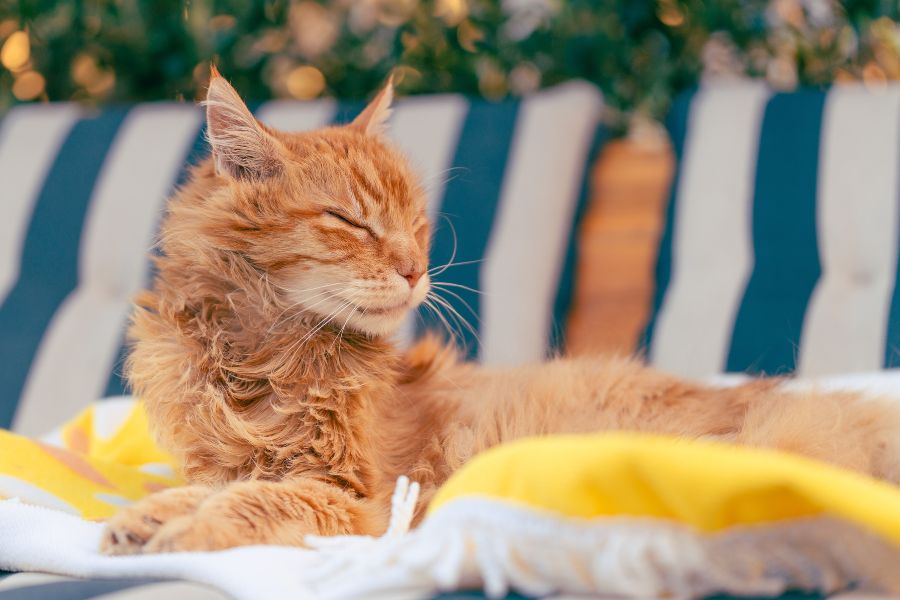
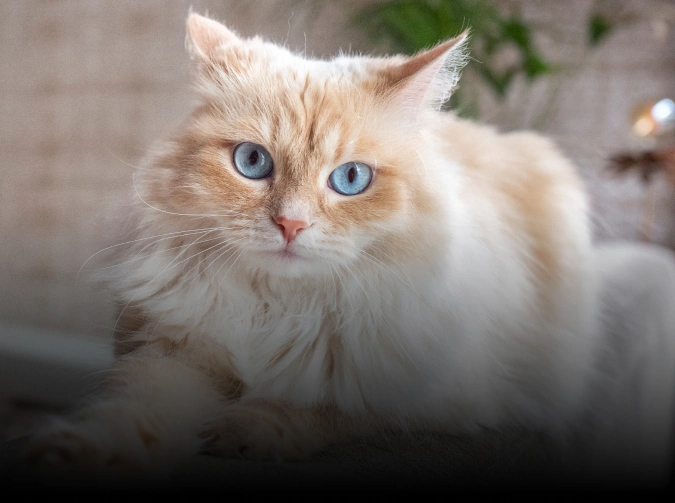
Maine Coons are famous for their impressive size, tufted ears, flowing coats, and gentle personalities. Their luxurious appearance raises a practical question for cat lovers: do Maine Coons shed less than other cats?
The answer is no. Maine Coons are moderate-to-heavy shedders, with seasonal changes that make loose fur noticeable. Their long coat can make shedding look heavier than it is. Coat care, nutrition, indoor conditions, age, and health can affect the amount of fur you see.
This guide explains Maine Coon shedding, compares their coat with other cats, covers grooming needs, identifies warning signs, and answers common questions.
How Much Do Maine Coons Shed?
Maine Coon shedding is normal. These cats have a semi-long, dense coat designed to provide insulation and protection. The coat has a soft undercoat and longer outer hairs.
Maine Coons can shed throughout the year. Many experience heavier shedding during spring and fall. Indoor cats may have less dramatic seasonal changes because lighting and temperature are more stable.
The amount of loose hair varies from one cat to another. Genetics, age, grooming habits, diet, and environment play a role. A healthy Maine Coon can leave fur on furniture, bedding, clothing, and floors even with brushing.
Do Maine Coons Shed More Than Other Cats?
Maine Coons generally shed more visibly than short-haired breeds. Their longer hairs are easier to notice, while dense coats can hold loose hairs until grooming or movement releases them.
Compared with Siamese or Cornish Rex cats, Maine Coons usually require more coat maintenance. Their shedding may be comparable to Persians and Ragdolls.
Coat length does not tell the whole story. Some long-haired cats shed surprisingly little, while some short-haired cats leave substantial fur. A Maine Coon should not be chosen with the expectation of a low-shedding cat.
Why Does My Maine Coon Shed So Much?
Heavy shedding can be part of normal coat renewal as loose hairs fall away and new hairs grow.
A Maine Coon may shed more when grooming is inconsistent. Mats and tangles trap loose hair, allowing larger amounts to come out later. Stress, poor nutrition, parasites, skin irritation, or health problems can also affect coat quality and hair loss.
Watch for changes rather than counting hairs. Bald patches, thinning areas, excessive scratching, redness, scabs, dandruff, greasy fur, or sudden increases in shedding deserve attention. Cats that stop grooming or develop a dull coat may need evaluation. Professional [veterinary care] can help identify underlying causes.
Maine Coon Grooming: What Actually Helps?
Brush the Coat Regularly
Brushing two to three times per week can remove loose hair before it reaches your furniture. During heavy shedding, some Maine Coons benefit from more frequent sessions.
Use a comb or brush that reaches through the coat without pulling. Work gently around the belly, chest, legs, and tail, where tangles develop. Short sessions suit cats that dislike prolonged grooming.
Check for Mats
Mats are more than cosmetic problems. Tight tangles can pull the skin, trap moisture, and make movement uncomfortable. Never cut a mat close to the skin with household scissors. A groomer can safely handle difficult tangles.
Support Healthy Skin and Fur
A balanced diet supports healthy skin and hair. Fresh water supports normal body function. Avoid supplements simply because a cat is shedding. Extra nutrients are not automatically better.
Can You Stop a Maine Coon From Shedding?
No. Shedding is a normal biological process that cannot be eliminated. The realistic goal is controlling loose hair and preventing avoidable tangles.
Regular grooming captures shed fur before it spreads. Washing bedding, vacuuming, using washable furniture covers, and keeping grooming tools accessible can make daily cleanup easier.
Be cautious with products marketed as shedding cures. Sudden hair loss should be investigated rather than masked.
Are Maine Coons Hypoallergenic?
Maine Coons are not hypoallergenic cats. Cat allergies are usually triggered by proteins in saliva, skin flakes, and other secretions, not simply fur. Maine Coons can distribute allergens around living spaces because of their substantial coats.
People with cat allergies may react differently to individual cats. Spending time with a Maine Coon before adoption can provide useful information, but it cannot guarantee an allergy-free experience.
When Should Shedding Concern You?
Normal shedding usually produces an even change in loose fur without visible skin damage.
Contact a professional if you notice bald spots, persistent itching, inflamed skin, repeated licking, painful areas, parasites, sudden coat changes, or unexplained weight or behavior changes. Early attention can prevent a minor issue from becoming more difficult.
FAQs About Maine Coon Shedding
1. Do Maine Coons shed a lot?
A: Yes. Maine Coons are moderate-to-heavy shedders with semi-long, dense coats. Shedding can increase during spring and fall. Regular brushing removes loose hair, reduces tangles, and helps keep fur from accumulating throughout the home.
2. How often should I brush a Maine Coon?
A: Brush a Maine Coon around two to three times weekly. More frequent grooming may help during seasonal shedding. Gentle combing through the chest, belly, legs, and tail can reduce mats and remove loose undercoat.
3. Are Maine Coons good for people with allergies?
A: Maine Coons are not hypoallergenic. Allergens come mainly from proteins associated with saliva, skin flakes, and secretions. Their substantial coats can spread allergens around a home, making them unsuitable for some allergy-sensitive households.
4. Do Maine Coons shed more in summer?
A: Many Maine Coons shed more noticeably during spring as they lose part of their heavier seasonal coat. Indoor cats can have less predictable patterns because temperature, lighting, and household conditions influence their natural shedding cycle.
5. What is the best way to reduce Maine Coon shedding?
A: Consistent brushing is the most practical way to manage loose fur. A balanced diet, adequate hydration, regular cleaning, and prompt attention to skin problems also support a healthier coat and more manageable shedding.
6. Why is my Maine Coon suddenly shedding excessively?
A: Sudden excessive shedding can have causes beyond normal coat renewal, including stress, parasites, skin irritation, nutrition problems, or illness. Look for itching, bald patches, redness, dandruff, or behavior changes, and seek professional expert guidance when present.