4214 Milwaukee Street, Madison, WI 53714

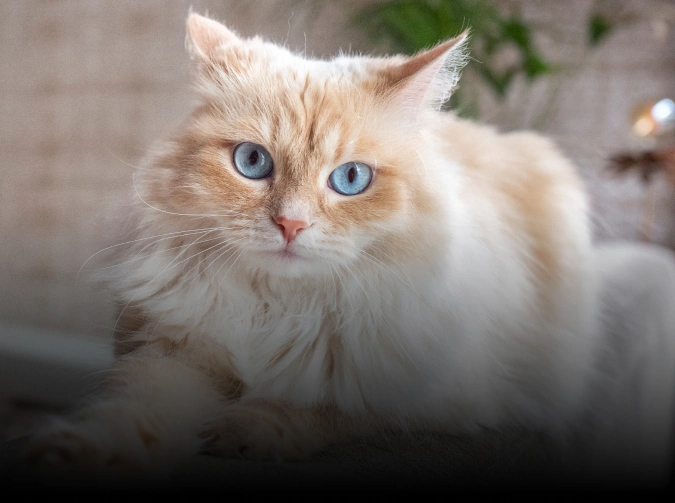
Home Remedies for Cat Diarrhea That Actually Work
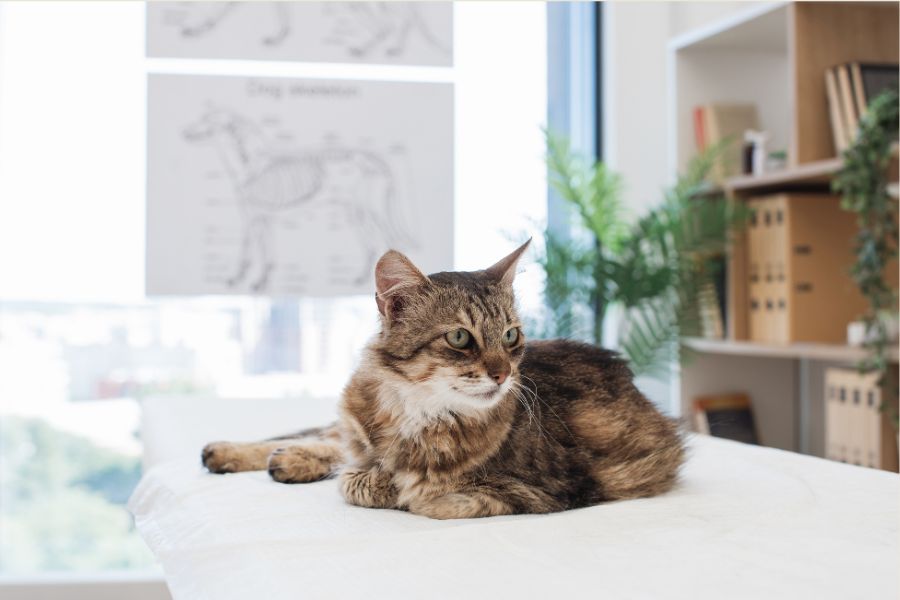
Cat diarrhea can turn a normal day into a messy worry. This guide explains safe home care, what cats can eat during diarrhea, how hydration helps, which remedies deserve caution, and when professional help is necessary. Mild cases may settle with supportive care, but persistent, bloody, painful, or severe diarrhea needs prompt attention.
What Can Cause Diarrhea in Cats?
Diarrhea means stool is passing too quickly through the digestive tract, leaving less time for water absorption. A cat may develop loose stool after eating unfamiliar food, table scraps, spoiled food, or too many treats. Stress from travel, guests, boarding, or household changes can affect digestion.
Other causes include intestinal parasites, food intolerance, infections, inflammatory conditions, toxins, and diseases affecting the digestive tract or other organs. Kittens, senior cats, and cats with existing health problems can become dehydrated faster.
Watery diarrhea, mucus, black stool, bright red blood, repeated vomiting, or a sudden change in appetite can signal a problem that should not be managed at home.
Safe Home Remedies for Cat Diarrhea
Keep Fresh Water Available
Hydration is the priority. Diarrhea removes water and electrolytes from the body. Keep several clean water bowls available. Wet food can provide additional moisture.
Watch for dehydration signs such as dry or sticky gums, unusual tiredness, weakness, sunken-looking eyes, or reduced urination. A cat that refuses water or seems dehydrated needs professional evaluation.
Offer Small, Frequent Meals
Do not deliberately starve a cat for an extended period. Cats need regular nutrition, and prolonged food restriction can create serious problems, especially in overweight cats.
Give small portions of a familiar, easily tolerated food several times throughout the day. A veterinarian may recommend a temporary digestive diet designed for cats. Avoid rich foods, fatty treats, milk, and sudden diet changes.
Consider Plain Pumpkin Carefully
Plain canned pumpkin contains fiber that may help some cats produce more formed stool. It must be plain pumpkin, not pumpkin pie filling, which can contain sugar, spices, and other ingredients.
Pumpkin is not a cure for every cause of diarrhea. Too much fiber can worsen digestive upset. Ask a veterinarian about an appropriate amount for your cat’s size and condition.
Ask About Probiotics
Choose a product intended for cats and follow professional dosing guidance. Do not assume a human probiotic or supplement is appropriate.
Remedies to Avoid
Several popular home treatments can cause more harm than good. Do not give cats human anti-diarrheal medicines unless a veterinarian specifically instructs you to do so. Some medications can be toxic to cats or hide important symptoms.
Avoid Pepto-Bismol, human pain relievers, leftover antibiotics, essential oils, herbal mixtures, and unapproved supplements. Do not force food or water into a struggling cat. Do not use milk as a digestive remedy; many cats cannot digest lactose well.
When Cat Diarrhea Needs Medical Care
A mild episode in an otherwise normal adult cat may improve within a short period with supportive care. Diarrhea lasting more than a day, recurring frequently, or worsening deserves attention.
Seek prompt care if diarrhea is accompanied by vomiting, blood, black tarry stool, fever, severe lethargy, abdominal pain, dehydration, loss of appetite, weight loss, or unusual behavior. Kittens and older cats deserve a lower threshold for evaluation.
A cat that cannot keep water down, collapses, becomes extremely weak, or may have swallowed a toxin needs urgent care. If you need help finding a veterinarian near you, contact a clinic and describe the stool, duration, appetite, water intake, and other symptoms.
What to Feed a Cat With Diarrhea
Food choices can make recovery easier. Continue a familiar diet in small meals if your cat is willing to eat. A digestive-support diet recommended for cats may be easier to tolerate for some cats during recovery.
Do not switch between several foods while trying to solve the problem. Skip treats, fatty table foods, dairy, raw foods, and unfamiliar ingredients. Once stools return to normal, maintain the tolerated diet for a short period and return to the regular diet gradually.
How to Monitor Recovery
Keep a simple record. Note the number of bowel movements, stool consistency, color, appetite, drinking, urination, energy level, vomiting, and medications or supplements. A photo of abnormal stool can help a clinic understand what you observed.
Improvement should look like fewer episodes, better stool formation, normal appetite, normal drinking, and typical energy. Lack of improvement matters even when diarrhea seems mild.
Frequently Asked Questions(FAQs):
1. What can I give my cat for diarrhea at home?
A: Offer fresh water and small meals of familiar, easily tolerated food. Plain pumpkin may help some cats, but ask a veterinarian about suitability and amount. Avoid human medicines, dairy, and unapproved supplements.
2. Should I stop feeding my cat with diarrhea?
A: Do not withhold food for an extended period without professional guidance. Cats need regular nutrition. Small, frequent meals can be easier to tolerate while you monitor appetite, hydration, stool changes, and overall behavior.
3. Is pumpkin good for cats with diarrhea?
A: Plain pumpkin provides fiber that may improve stool consistency in some cats. It is not suitable for every digestive problem. Use only plain pumpkin, never pie filling, and ask about an appropriate portion.
4. How long can cat diarrhea last?
A: A mild episode may resolve within a short time, but diarrhea lasting longer than one day, returning repeatedly, or appearing with vomiting, blood, poor appetite, pain, or weakness requires professional advice.
5. Can I give my cat Pepto-Bismol for diarrhea?
A: Do not give Pepto-Bismol unless a veterinarian specifically directs you. Human medications can be unsafe for cats. A professional can identify the likely cause and recommend a treatment that matches your cat’s needs.
6. When is cat diarrhea an emergency?
A: Seek urgent care when diarrhea occurs with collapse, extreme weakness, repeated vomiting, significant dehydration, severe pain, bloody or black stool, suspected poisoning, or inability to drink. Kittens may require faster assessment.