4214 Milwaukee Street, Madison, WI 53714


Dog Vaccination Laws in the U.S.: Understanding Core Requirements
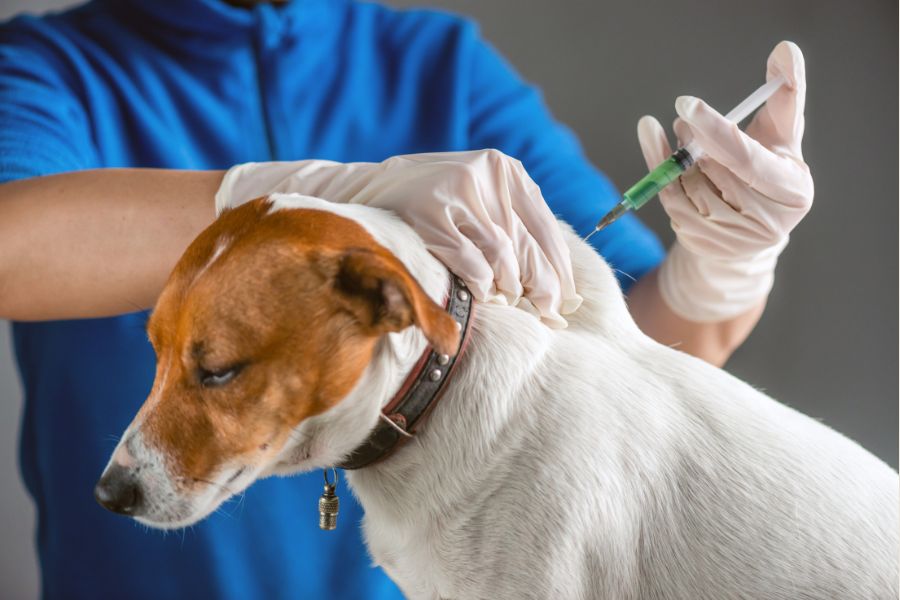
If you share your home with a dog, you already make daily decisions to protect their health. From balanced meals to regular walks and routine checkups, each step matters. Vaccination is one of the most important parts of that care.
Many pet owners ask a simple but important question: Which dog vaccines are required by law in the United States?
The answer depends on where you live, but there are clear national standards and widely accepted veterinary guidelines. This guide explains those rules in plain language, outlines the role of core vaccines, and helps you stay informed and compliant.
Why Dog Vaccination Laws Matter
Vaccination laws are not only about your dog. They exist to protect people, other animals, and the wider community.
Some diseases spread quickly between animals. Others can pass from animals to humans. When vaccination rates drop, the risk of outbreaks rises. Laws help reduce that risk by setting minimum requirements.
Vaccines:
- Prevent serious illness
- Reduce the spread of disease
- Protect public health
- Support faster response during outbreaks
Clear regulations also help veterinarians, shelters, and animal control teams act quickly when needed.
The Legal Foundation: Rabies Vaccination
1. Why Rabies Is Required Everywhere
Rabies vaccination is the only dog vaccine required by law across all 50 states. While details vary, the requirement itself does not.
Rabies is a fatal viral disease that affects the nervous system. It spreads through bites and can infect humans. Because of this risk, strict vaccination laws are in place nationwide.
2. Common Rabies Requirements
Most states follow a similar structure:
- First vaccine given between 12 and 16 weeks of age
- A booster one year later
- Additional boosters every one or three years
After vaccination, your veterinarian provides an official certificate. Many counties also require a rabies tag on your dog’s collar.
3. What Happens If You Skip It
Not vaccinating your dog against rabies can lead to:
- Fines or penalties
- Issues with licensing
- Long quarantine periods if your dog bites someone
- Legal complications in serious cases
Rabies vaccination is not optional. It is a legal responsibility.
Understanding Core Vaccines for Dogs
1. What Are Core Vaccines?
In addition to rabies, veterinarians recommend a group known as core vaccines. These protect against diseases that are common, highly contagious, or severe.
Core vaccines include:
- Distemper
- Parvovirus
- Adenovirus (canine hepatitis)
- Rabies
While only rabies is legally required, the others are considered essential for most dogs.
2. Why Core Vaccines Matter
The term “core” means these vaccines are recommended for every dog, regardless of lifestyle.
Even indoor dogs face risk. Viruses can enter your home through shoes, clothing, or brief outdoor exposure.
These vaccines:
- Prevent life-threatening illnesses
- Reduce emergency veterinary visits
- Support long-term health
Many boarding facilities, groomers, and dog daycares require proof of these vaccinations before accepting pets.
A Quick Note on Preventive Care and Your Pet Dental Guide
Vaccination is only one part of keeping your dog healthy. A complete preventive plan also includes nutrition, parasite control, and oral care.
A well-rounded pet dental guide often highlights how oral health connects to overall wellness. Gum disease can affect the heart, kidneys, and immune system. When combined with proper vaccination, dental care helps create a stronger foundation for lifelong health.
State and Local Differences
Why Location Matters
Dog vaccination laws are set at the state level, and local governments may add extra rules.
For example:
- Some states require licensing tied to rabies vaccination
- Counties may enforce stricter timelines
- Areas with higher wildlife exposure may have tighter regulations
Because of these differences, always check with your local authorities or veterinarian for current requirements.
Moving Between States
If you relocate, review your new state’s rules right away. Your dog’s vaccination may still be valid, but documentation or timing requirements can change.
Are Distemper and Parvo Legally Required?
In most states, distemper and parvovirus vaccines are not required by law. That does not mean they are optional from a health perspective.
Why These Vaccines Are Still Essential
- Distemper spreads through airborne exposure
- Parvovirus spreads through contaminated surfaces
- Both can be fatal, especially in puppies
These diseases are the reason they are included in core vaccines. They protect against common and severe health risks.
Practical Requirements
Even without legal mandates, these vaccines are often required for:
- Boarding facilities
- Grooming services
- Dog parks
- Training programs
Some communities may also enforce them during outbreaks.
Puppy Vaccination Timeline
Vaccination begins early and follows a structured schedule.
Typical Schedule
- 6–8 weeks: First distemper/parvo dose
- Every 3–4 weeks: Booster shots until 16 weeks
- 12–16 weeks: First rabies vaccine
Why Multiple Doses Are Needed
Puppies receive antibodies from their mother, which can interfere with early vaccines. Booster shots ensure full protection once those antibodies fade.
Missing boosters can:
- Leave your puppy unprotected
- Delay immunity
- Cause compliance issues with rabies laws
Keep all records organized. You may need them for licensing or travel.
Medical Exemptions: What to Know
Some states allow medical exemptions from rabies vaccination, but they are rare.
When Exemptions Apply
A veterinarian may recommend an exemption if:
- Your dog has a serious health condition
- Vaccination poses a documented risk
Approval often requires:
- Written documentation
- Review by public health authorities
Even with an exemption, your dog may face stricter rules if exposed to rabies.
Consequences of Skipping Vaccines
Rabies Noncompliance
- Legal penalties
- Denied licensing
- Extended quarantine after exposure
- Increased liability
Missing Core Vaccines
- Limited access to services
- Higher risk of illness
- Possible restrictions during outbreaks
Vaccination is both a health and legal responsibility.
Traveling With Your Dog
If you travel across state lines, your dog’s rabies vaccination must be current.
What You May Need
- Rabies certificate
- Proof of core vaccinations
- Health records for boarding or airlines
Planning prevents last-minute issues and keeps your trip stress-free.
Working With Your Veterinarian
Vaccination is not one-size-fits-all. Your veterinarian considers:
- Age
- Health condition
- Lifestyle
- Local disease risks
- Legal requirements
If you are unsure about your dog’s needs, consult a veterinarian near you to review records and plan next steps.
Clear communication helps you stay on track and avoid gaps in protection.
Preventive Care and Your Pet Dental Guide
A strong health plan goes beyond vaccines. A detailed pet dental guide reminds pet owners to:
- Brush teeth regularly
- Schedule dental cleanings
- Watch for signs of gum disease
Oral health issues can affect your dog’s overall well-being. When combined with proper vaccination, dental care supports a longer, healthier life.
Making the Right Decision for Your Dog
Dog vaccination laws in the United States are designed to protect both animals and people. Rabies vaccination is required everywhere. Other core vaccines are strongly recommended because they prevent serious illness.
Staying compliant is not just about avoiding penalties. It is about keeping your dog safe and healthy.
Key Takeaways
- Rabies vaccination is legally required nationwide
- Core vaccines protect against common and severe diseases
- Local laws may vary, so always check your area
- Keeping records organized is essential
- Preventive care includes both vaccines and a reliable pet dental guide
Conclusion: Stay Informed and Take Action
Understanding vaccination laws helps you make confident decisions for your dog’s health and safety. Staying current with vaccines, maintaining accurate records, and following local guidelines are simple steps that make a big difference.
If you are unsure about your dog’s vaccination status or need help reviewing your records, book an appointment with your trusted veterinarian. A professional evaluation ensures your dog meets legal requirements and stays protected.
Your dog relies on you for care and protection. Making informed choices today supports a healthier future.
Frequently Asked Questions
1. Is rabies the only vaccine required by law in the U.S.?
A: Yes. Rabies vaccination is legally required in all states, though timing and booster intervals vary.
2. Are core vaccines for dogs mandatory everywhere?
A: Rabies is mandatory. Distemper, parvo, and adenovirus are strongly recommended nationwide, but not legally required in most states.
3. What proof do I need for rabies vaccination?
A: You need an official rabies certificate signed by a licensed veterinarian. Many areas also require a rabies tag on your dog’s collar.
4. Can I delay rabies vaccination?
A: Delays can lead to legal penalties. Puppies must receive rabies vaccination within the age window defined by state law.
5. What if my dog has a medical condition?
A: Some states allow medical exemptions for rabies. Your veterinarian must document the reason, and approval may require public health review.
6. How often do core vaccines for dogs need boosters?
A: Rabies boosters are given every one to three years, depending on the vaccine. Other core vaccines for dogs often require boosters every one to three years based on veterinary guidelines.