4214 Milwaukee Street, Madison, WI 53714


Pet Dental Emergencies: 7 Signs Your Pet Needs Immediate Attention
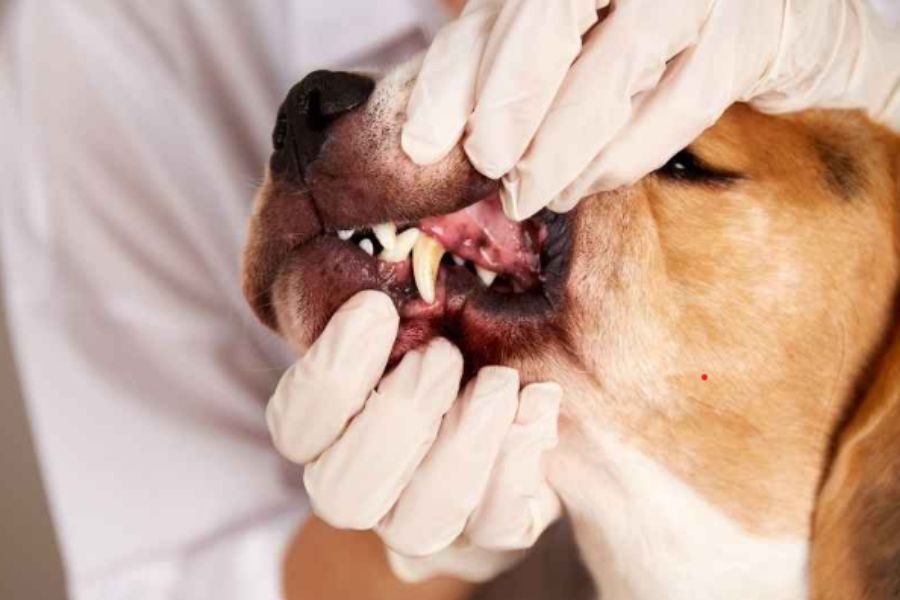
Healthy teeth support eating, comfort, and well-being. A sudden change in your pet’s mouth can signal a painful problem. This guide explains seven warning signs, safe steps at home, when urgent care is needed, and ways to reduce future dental problems.
You will learn how bleeding, swelling, broken teeth, bad breath, trouble eating, drooling, and behavior changes can point to an oral problem. If you live in Madison, knowing these signs can help you act quickly and protect your pet’s comfort.
7 Signs Your Pet Needs Immediate Attention
1. Bleeding From the Mouth
Blood may come from an injured gum, damaged tooth, a cut inside the mouth, or another painful condition. Persistent bleeding should not be ignored. Keep your pet calm and prevent chewing on toys, bones, or hard treats while arranging professional care.
2. Facial Swelling
A swollen cheek, jaw, or area beneath an eye can indicate infection, an injured tooth, or another oral problem. Swelling can affect eating or opening the mouth. Do not press, puncture, or massage the area. Prompt assessment can identify the cause and guide treatment.
3. A Broken, Loose, or Missing Tooth
A fractured tooth can expose sensitive inner tissue and cause significant pain. A loose tooth after an accident also deserves prompt attention. Look for reluctance to chew, dropping food, or rubbing the face. Do not pull a loose tooth or treat it with household products.
4. Trouble Eating or Refusing Food
Pets that stop eating, chew on one side, drop kibble, or approach food and walk away may have mouth pain. A dental problem can make chewing difficult even when your pet wants food. Contact a professional when eating habits change without a clear reason.
5. Excessive Drooling
Some pets naturally drool, but a sudden increase can signal mouth pain, irritation, a lodged object, or a damaged tooth. Thick or bloody saliva deserves attention. Check the mouth only if your pet remains calm. Never put your fingers deep inside a painful mouth.
6. Severe Bad Breath
Bad breath is common with dental disease, but a sudden, unusually strong odor can indicate infection or tissue damage. A persistent smell paired with swelling, bleeding, reduced appetite, or drooling needs prompt evaluation. Regular dental care can reduce plaque and identify problems earlier.
7. Sudden Behavior Changes
A normally friendly pet may become withdrawn, irritable, restless, or resistant to face touching when the mouth hurts. Pawing at the mouth, hiding, vocalizing during meals, or sleeping differently can signal discomfort. Behavior changes may be your pet’s clearest way of communicating pain.
What to Do When a Dental Problem Appears
Keep your pet calm and remove hard treats, chew toys, or anything that could worsen an injury. Offer water if your pet can drink comfortably. Do not give human pain relievers unless a qualified professional specifically tells you to. Medications made for people can be unsafe for pets.
Call a pet care professional for ongoing bleeding, facial swelling, a damaged tooth, severe pain, inability to eat, or other concerning symptoms. If your regular clinic is unavailable, seek urgent care for pets through a facility equipped to assess sudden problems.
When Is It Truly Urgent?
A dental issue needs immediate attention when your pet has heavy or persistent bleeding, major facial swelling, trouble breathing or swallowing, severe pain, collapse, or an inability to eat or drink. These signs need rapid assessment.
A less dramatic issue still deserves a timely appointment. Bad breath, tartar, occasional drooling, or gradual chewing changes may reflect dental disease. Waiting until discomfort becomes obvious can make treatment more difficult.
How to Prevent Future Dental Problems
Daily tooth brushing is one of the best habits for protecting your pet’s mouth. Use a pet-safe toothbrush and toothpaste, never human toothpaste. Introduce brushing slowly and reward calm cooperation.
Routine mouth checks can reveal red gums, tartar, lumps, broken teeth, or other changes. Dental-friendly diets, approved chews, and professional cleanings may support oral health. Ask your pet care team which options fit your pet’s age, size, diet, and chewing habits.
Conclusion
Your pet may not show obvious pain, so small changes deserve attention. Prompt action can protect comfort, support eating, and prevent a dental concern from becoming more serious for your pet. Bleeding, swelling, damaged teeth, eating difficulty, drooling, strong breath odor, and unusual behavior can signal a painful mouth problem. Knowing these warning signs helps you make informed decisions and seek care at the right time.
If you’re located in Madison, reach out to Truesdell Animal Care Hospital and Clinic—where compassionate care and community come together for your pet’s well-being. When sudden dental concerns arise, call us at 608-244-2555 for guidance about urgent care services.
Frequently Asked Questions
1. What are the signs of dental problems in dogs and cats?
A: Common signs include bad breath, bleeding gums, drooling, difficulty chewing, dropping food, facial swelling, pawing at the mouth, loose teeth, reduced appetite, and behavior changes.
2. Can a broken tooth hurt a pet?
A: Yes. A broken tooth can expose sensitive inner tissue and cause pain. Watch for chewing changes, food avoidance, drooling, face rubbing, or resistance when the mouth is touched.
3. Should I brush my pet’s teeth during a painful dental problem?
A: No. Brushing a painful mouth can increase discomfort and irritate damaged tissue. Keep the mouth undisturbed and seek professional guidance. Resume dental care after the problem is addressed.
4. Can bad breath mean my pet needs immediate attention?
A: Bad breath alone may not require same-day care, but a sudden, strong odor with bleeding, swelling, pain, drooling, or appetite changes deserves prompt assessment.
5. What should I do if my pet will not eat because of mouth pain?
A: Remove hard food and chews, keep your pet comfortable, and contact a professional. Do not force food or give pain medication. Refusing food can become serious.
6. How can I prevent serious dental problems in pets?
A: Regular tooth brushing, mouth checks, appropriate dental products, balanced nutrition, and professional dental evaluations can help. Watch for changes in chewing, breath, appetite, or behavior and report concerns early.