4214 Milwaukee Street, Madison, WI 53714


The Four Stages of Dog Dental Disease
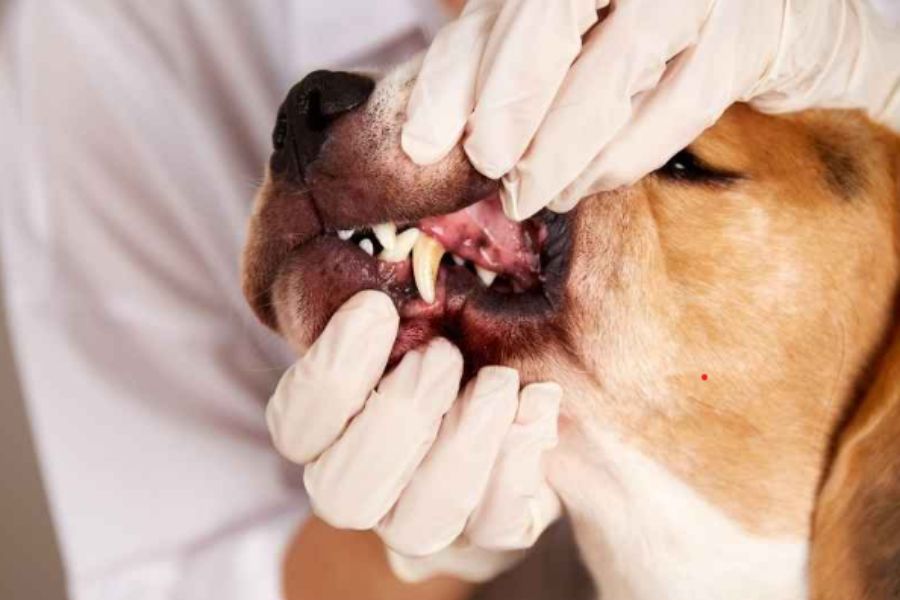
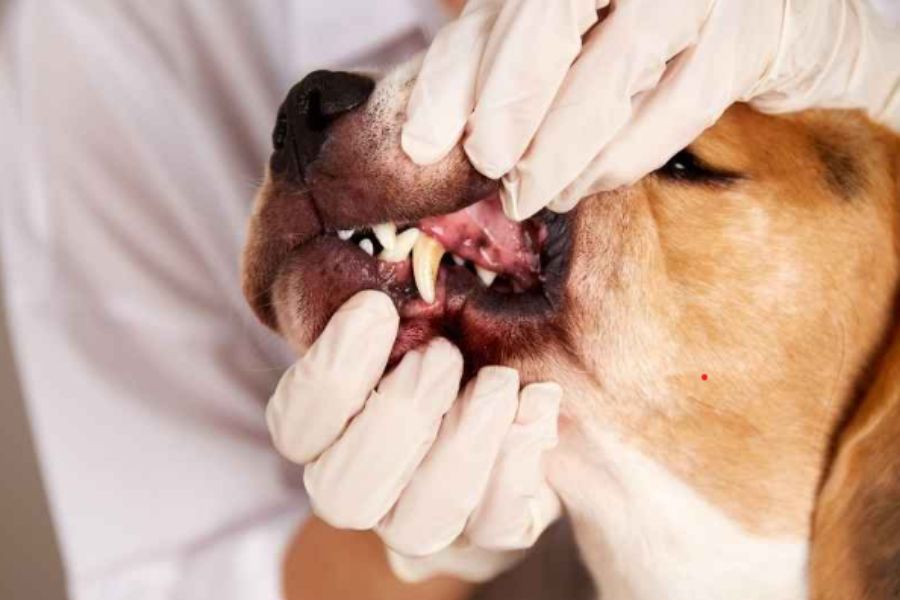
Does your dog have bad breath, yellow teeth, or red gums? These changes may seem harmless, but they can be early warning signs of dental disease. Many dogs develop oral health problems without showing obvious discomfort, making it easy for pet owners to overlook the symptoms.
Dog dental disease develops when plaque and bacteria accumulate around the teeth and gums. Without proper care, this buildup can cause inflammation, damage the tissues supporting the teeth, and eventually lead to tooth loss. The condition progresses through four stages, ranging from mild gum inflammation to severe periodontal damage.
Understanding the four stages of dog dental disease helps you recognize warning signs, learn what treatment involves, and protect your dog’s oral health before problems become more serious.
What Is Dental Disease in Dogs?
Dental disease is a common oral health problem that affects the teeth, gums, and surrounding tissues. It usually begins when plaque, a sticky layer of bacteria, collects along the gumline.
If plaque is not removed regularly, it can harden into tartar. Bacteria around and beneath the gumline can trigger inflammation and gradually damage the structures holding the teeth in place.
There are two important terms to understand:
- Gingivitis: Inflammation of the gums caused by plaque buildup. This early condition can be reversed with appropriate dental treatment.
- Periodontitis: A more advanced condition that damages the tissues and bone supporting the teeth. This damage cannot be fully reversed.
Periodontal disease is commonly divided into four stages based on the amount of attachment and bone loss around affected teeth.
Why Does Dog Dental Disease Develop?
Several factors increase the likelihood of dental problems in dogs.
These include:
- Inadequate tooth brushing
- Plaque and tartar accumulation
- Crowded or misaligned teeth
- Small breed size
- Age-related changes
- Genetics
- Certain underlying health conditions
Small dogs often face a higher risk because their teeth can be crowded into relatively small mouths, creating areas where plaque accumulates.
Dental disease can affect dogs of any breed or age, including young adults.
Stage 1: Gingivitis – Early Gum Inflammation
The first stage of dog dental disease involves inflammation of the gums without permanent damage to the tissues supporting the teeth.
Plaque collects along the gumline, allowing bacteria to irritate the surrounding tissue. The gums may appear slightly red or swollen.
At this stage, the condition is reversible with proper treatment.
Signs of Stage 1 Dental Disease
Common symptoms include:
- Mild redness along the gumline
- Slight gum swelling
- Persistent bad breath
- Visible plaque on the teeth
- Occasional bleeding during brushing
Many dogs continue eating, playing, and behaving normally during this stage.
Can your dog have dental disease without showing pain? Yes. Early gum inflammation often causes few noticeable changes in daily behavior.
How Is Stage 1 Treated?
Treatment generally involves a professional dental cleaning to remove plaque and tartar, including deposits beneath the gumline.
A complete dental examination helps determine whether deeper problems are present.
Daily tooth brushing with dog-safe toothpaste is important for preventing plaque from returning.
Early treatment offers the best opportunity to restore healthy gums before permanent damage develops.
Stage 2: Early Periodontitis – Mild Damage Begins
Stage 2 occurs when inflammation begins damaging the tissues that attach the teeth to the surrounding bone.
At this point, periodontal disease has progressed beyond gingivitis.
Dogs with Stage 2 disease have less than 25% loss of the supporting attachment around affected teeth.
The damage is permanent, but appropriate treatment can help control the disease and prevent further deterioration.
Signs of Stage 2 Dental Disease
You may notice:
- Red or swollen gums
- Stronger bad breath
- Tartar buildup near the gumline
- Bleeding gums
- Early gum recession
- Mild discomfort while chewing
Some dogs begin chewing on one side of their mouths or become less interested in hard treats.
These behavioral changes are not always present. Dogs often continue eating even when dental problems cause discomfort.
How Is Stage 2 Treated?
Professional treatment involves removing plaque and tartar from the teeth and beneath the gums.
The care team may recommend dental X-rays to examine the supporting bone and identify damage that cannot be seen during a routine oral examination.
Cleaning and treatment beneath the gumline help reduce bacteria and inflammation.
Regular home care and follow-up assessments are essential because lost periodontal attachment does not grow back through ordinary cleaning.
Stage 3: Moderate Periodontitis – Significant Tissue Damage
Stage 3 represents a more serious level of periodontal disease.
At this stage, approximately 25% to 50% of the supporting attachment around an affected tooth has been lost.
The gums, ligaments, and surrounding bone have experienced significant damage.
Some teeth may become loose, although others can remain firmly attached despite substantial disease.
Signs of Stage 3 Dental Disease
Symptoms may include:
- Persistent, unpleasant breath
- Red, swollen, or bleeding gums
- Noticeable gum recession
- Heavy tartar buildup
- Difficulty chewing
- Dropping food while eating
- Avoiding hard food or chew toys
- Increased sensitivity around the mouth
You may also notice that your dog pulls away when you try to examine their teeth.
Some dogs become quieter or less interested in activities because of ongoing discomfort.
Why Is Stage 3 Concerning?
Moderate periodontal disease can create deep pockets between the gums and teeth.
These pockets allow bacteria to collect beneath the gumline, where ordinary brushing cannot reach them.
As inflammation continues, the tissues supporting the affected teeth become weaker.
Without treatment, the disease can progress to severe attachment loss and tooth instability.
Treatment Options for Stage 3
Treatment depends on the amount of damage affecting each tooth.
A complete oral examination and dental X-rays help determine whether an affected tooth can be saved.
Treatment may involve deep cleaning, periodontal procedures, or tooth extraction.
Teeth with advanced damage may need removal to eliminate ongoing infection and discomfort.
The treatment plan should consider your dog’s overall health, the affected teeth, and the extent of periodontal destruction.
Stage 4: Advanced Periodontitis – Severe Dental Disease
Stage 4 is the most severe stage of periodontal disease in dogs.
It involves more than 50% loss of the supporting attachment around affected teeth.
At this stage, extensive damage has occurred to the gums, ligaments, and surrounding bone.
Affected teeth may become extremely loose, painful, or difficult to use.
Signs of Stage 4 Dental Disease
Common warning signs include:
- Severe bad breath
- Extensive gum inflammation
- Significant gum recession
- Loose or missing teeth
- Bleeding from the mouth
- Difficulty picking up or chewing food
- Dropping food repeatedly
- Facial swelling
- Reluctance to have the mouth touched
- Visible discomfort during eating
Some dogs may lose weight because chewing becomes uncomfortable.
Severe dental disease can also lead to tooth root infections and damage to nearby tissues.
Can Stage 4 Dental Disease Be Reversed?
No. The extensive attachment and bone loss associated with advanced periodontal disease cannot be reversed through routine dental cleaning.
Treatment focuses on removing sources of infection, relieving discomfort, and protecting the remaining healthy teeth.
Treatment for Stage 4 Dental Disease
Dogs with advanced periodontal disease often require extraction of severely affected teeth.
Dental X-rays help identify the full extent of damage and guide treatment decisions.
Pain management and appropriate aftercare support recovery.
Although losing teeth may sound concerning, dogs often eat comfortably after painful, infected teeth have been removed and their mouths have healed.
How Are the Four Stages of Dog Dental Disease Diagnosed?
A visual examination can identify warning signs such as redness, tartar, and gum recession.
However, the exact stage of periodontal disease cannot be determined reliably by looking at the teeth alone.
A complete assessment generally requires an anesthetized oral examination, periodontal probing, and dental X-rays.
These procedures help evaluate:
- Gum pocket depth
- Loss of tooth attachment
- Bone loss around tooth roots
- Hidden infections
- Tooth stability
- Damage beneath the gumline
Dental disease is assessed tooth by tooth. A dog may have mild gingivitis around one tooth and advanced periodontitis around another.
This explains why treatment recommendations can differ between teeth in the same mouth.
Can Dog Dental Disease Affect Overall Health?
Dental disease does more than cause bad breath.
Advanced periodontal problems can create chronic pain, inflammation, and infection within the mouth.
Dogs with severe disease may struggle to chew comfortably or maintain their usual eating habits.
Ongoing oral inflammation can also complicate the management of certain existing health conditions.
Maintaining healthy teeth and gums is an important part of protecting your dog’s comfort and overall well-being.
How to Prevent Dental Disease in Dogs
Prevention begins with consistent home care and regular oral health assessments.
You cannot control every risk factor, but several daily habits can help reduce plaque accumulation.
Brush Your Dog’s Teeth Regularly
Daily brushing is one of the most effective ways to control plaque.
Use a soft toothbrush designed for pets and toothpaste formulated for dogs.
Never use human toothpaste because certain ingredients can be harmful if swallowed.
Start slowly, allowing your dog to become comfortable with having their lips and teeth touched.
Choose Appropriate Dental Products
Dental chews, diets, and other oral care products can support plaque control.
Look for products accepted by the Veterinary Oral Health Council (VOHC), which evaluates evidence supporting plaque or tartar reduction claims.
Avoid extremely hard chews that can fracture teeth.
Dental products should support brushing rather than replace it.
Schedule Regular Dental Examinations
Routine oral assessments help identify problems before they become severe.
Professional cleaning removes plaque and tartar from areas that brushing cannot adequately reach.
The frequency of dental treatment depends on your dog’s age, breed, oral health, and individual risk factors.
Watch for Early Warning Signs
Check your dog’s mouth regularly when it is safe and comfortable to do so.
Look for changes in gum color, breath, eating habits, and visible tartar.
Do not attempt to scrape tartar from your dog’s teeth at home. This can injure the gums or damage tooth surfaces.
A consistent dog dental care routine helps protect your pet’s oral health throughout life.
Conclusion: Recognizing Dental Disease Early Makes a Difference
The four stages of dog dental disease show how a manageable gum problem can develop into serious periodontal damage.
Stage 1 involves reversible gum inflammation. Stage 2 marks the beginning of permanent attachment loss. Stage 3 causes moderate damage to the tissues supporting the teeth. Stage 4 involves severe destruction that often requires tooth extraction.
Understanding these differences helps you recognize warning signs and make informed decisions about your dog’s oral health.
Bad breath, bleeding gums, difficulty chewing, and visible tartar should never be dismissed as normal changes.
Regular dental examinations, professional treatment when needed, and consistent home care can reduce the risk of serious problems.
If you notice signs of dental disease or have concerns about your dog’s teeth and gums, book an appointment for a dental examination to determine the appropriate next steps.
Frequently Asked Questions(FAQs):
1. What are the first signs of dental disease in dogs?
A: The earliest signs often include bad breath, mild gum redness, swelling, and visible plaque. Many dogs continue eating normally during the early stages. A dental examination helps determine whether inflammation or deeper periodontal damage is present.
2. Can dog dental disease be reversed?
A: Stage 1 gingivitis can be reversed with appropriate treatment and plaque control. Stages 2 through 4 involve permanent damage to supporting tissues. Treatment can control infection, reduce discomfort, and help prevent further progression.
3. How quickly does periodontal disease progress in dogs?
A: Progression varies depending on breed, age, tooth crowding, plaque buildup, and home care. Some dogs develop significant problems relatively early in life. Regular dental assessments help identify changes before severe damage occurs.
4. Do dogs need tooth extractions for dental disease?
A: Not every dog with dental disease needs extractions. Treatment depends on the condition of individual teeth. Severely damaged, infected, or unstable teeth often require removal to eliminate pain and protect surrounding tissues.
5. Can dogs still eat normally with advanced dental disease?
A: Yes. Many dogs continue eating despite significant oral pain. Some swallow food without chewing thoroughly or favor one side of the mouth. Normal eating habits do not rule out serious dental problems.