4214 Milwaukee Street, Madison, WI 53714


A Veterinarian’s Guide to Understanding IVDD in Dogs — From Diagnosis to Recovery
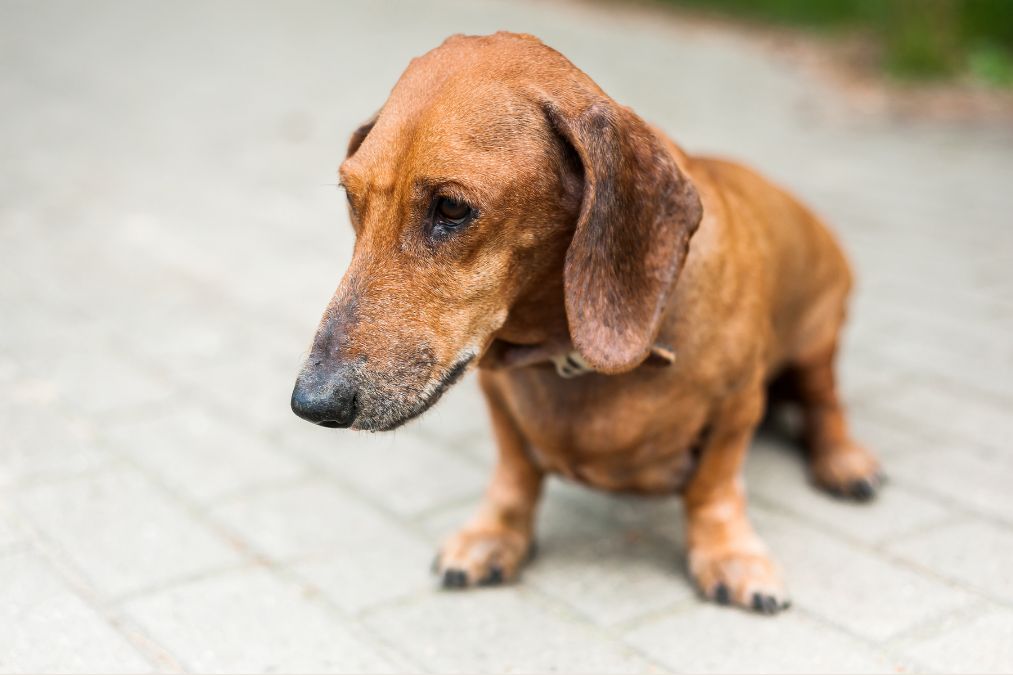
Intervertebral Disc Disease (IVDD) is one of the most common spinal conditions affecting dogs. It can develop suddenly or progress over time, causing pain, mobility problems, and, in severe cases, paralysis. Understanding the signs, treatment options, recovery process, and prevention strategies can help pet owners act quickly and improve their dog’s outcome.
This guide explains everything you need to know about IVDD in dogs, from diagnosis to recovery, including symptoms, causes, treatment choices, rehabilitation, and long-term management.
What Is IVDD in Dogs?
Intervertebral Disc Disease occurs when the cushioning discs between the vertebrae of the spine become damaged. These discs act as shock absorbers and help the spine move comfortably. When a disc bulges, ruptures, or degenerates, it can press on the spinal cord and nerves.
The pressure causes pain, weakness, loss of coordination, and mobility issues. IVDD can affect dogs of any breed, though certain breeds are more likely to develop the condition.
Which Dogs Are Most at Risk for IVDD?
Some dogs have a higher risk due to their body structure and genetics.
Common breeds prone to IVDD include:
- Dachshunds
- French Bulldogs
- Beagles
- Shih Tzus
- Cocker Spaniels
- Pekingese
- Basset Hounds
Risk factors may include:
- Aging
- Excess body weight
- Repetitive jumping
- Previous spinal injuries
- Genetic predisposition
Even active and healthy dogs can develop IVDD, making early awareness important.
Common Symptoms of IVDD in Dogs
The signs of IVDD can range from mild discomfort to complete paralysis.
1. Early Symptoms
Pet owners may notice:
- Neck or back pain
- Reluctance to jump
- Stiff posture
- Crying when touched
- Reduced activity
- Muscle tension
2. Advanced Symptoms
As the condition worsens, symptoms may include:
- Weakness in the limbs
- Difficulty walking
- Dragging paws
- Loss of balance
- Knuckling of the feet
- Inability to stand
- Loss of bladder or bowel control
Dogs showing sudden weakness or paralysis require immediate medical attention.
How Is IVDD Diagnosed?
Diagnosis begins with a physical examination and neurological assessment. The doctor evaluates your dog’s reflexes, coordination, pain response, and mobility.
Several diagnostic tools may be recommended:
1. X-Rays
X-rays help identify spinal abnormalities and rule out other conditions.
2. Advanced Imaging
MRI and CT scans provide detailed images of the spinal cord and discs. These imaging techniques help locate the affected disc and determine the severity of compression.
Accurate diagnosis is essential because treatment recommendations depend on the location and extent of spinal damage.
Treatment Options for IVDD in Dogs
Treatment depends on symptom severity, neurological status, and imaging findings.
1. Conservative Management
Dogs with mild symptoms may respond well to non-surgical treatment.
Conservative treatment often includes:
- Strict crate rest
- Anti-inflammatory medications
- Pain management
- Muscle relaxants
- Controlled rehabilitation exercises
Rest is one of the most important parts of treatment because it allows damaged discs to stabilize.
2. Surgical Treatment
Surgery is often recommended when:
- Significant spinal cord compression exists
- Weakness continues to worsen
- Paralysis develops
- Pain cannot be controlled with medication
The goal of surgery is to remove pressure from the spinal cord and improve neurological function.
Many dogs regain mobility after surgery, particularly when treatment occurs early.
Recovery After IVDD Treatment
Recovery times vary depending on the severity of the condition and the treatment chosen.
Dogs receiving conservative care may require several weeks of restricted activity. Surgical patients often need several months of rehabilitation.
What to Expect During Recovery
Recovery commonly involves:
- Controlled exercise programs
- Physical rehabilitation
- Gradual return to activity
- Regular progress evaluations
- Weight management
Some dogs recover completely. Others may retain mild neurological deficits while still enjoying an excellent quality of life.
Consistency and patience play a major role in successful recovery.
Physical Rehabilitation for IVDD Dogs
Rehabilitation can significantly improve strength, coordination, and mobility.
Common rehabilitation techniques include:
1. Therapeutic Exercises
Targeted exercises help rebuild muscle strength and improve balance.
2. Underwater Treadmill Therapy
Water supports body weight while encouraging controlled movement.
3. Massage Therapy
Massage may help reduce muscle tension and improve circulation.
4. Range-of-Motion Exercises
These exercises help maintain joint flexibility during recovery.
A customized rehabilitation plan often provides the best results.
Can IVDD Be Prevented?
Not every case of IVDD can be prevented. Several strategies may reduce the risk of spinal injury and disc degeneration.
Helpful prevention measures include:
- Maintaining a healthy body weight
- Using ramps instead of stairs
- Limiting repetitive jumping
- Providing regular exercise
- Scheduling routine wellness exams
- Investing in ongoing pet preventive care
Preventive health visits allow professionals to identify mobility concerns before they become more serious.
Long-Term Management for Dogs With IVDD
Some dogs require lifelong management after an IVDD diagnosis.
Long-term care may include:
- Weight control
- Joint-supportive exercise
- Home modifications
- Rehabilitation maintenance
- Periodic medical evaluations
Pet owners should monitor for recurring symptoms and seek medical guidance if mobility changes occur.
Early intervention often prevents minor issues from becoming major complications.
When Should You Seek Emergency Care?
Immediate evaluation is necessary if your dog experiences:
- Sudden paralysis
- Inability to walk
- Severe pain
- Loss of bladder control
- Rapid worsening of symptoms
Prompt treatment can greatly improve recovery outcomes and reduce the risk of permanent spinal cord damage.
Conclusion
IVDD in dogs is a serious spinal condition that can affect mobility, comfort, and overall quality of life. Early recognition of symptoms, accurate diagnosis, timely treatment, and dedicated rehabilitation can significantly improve outcomes. Whether your dog requires conservative management or surgery, a structured recovery plan is essential. By understanding risk factors, monitoring for warning signs, and prioritizing preventive care, pet owners can help protect their companions from the long-term effects of spinal disease and support a healthier, more active future.
Frequently Asked Questions(FAQs):
1. What causes IVDD in dogs?
A: IVDD develops when spinal discs deteriorate, bulge, or rupture, placing pressure on the spinal cord. Genetics, aging, excess weight, and repetitive stress on the spine are among the most common contributing factors.
2. Can a dog recover from IVDD without surgery?
A: Yes, dogs with mild to moderate IVDD may recover through crate rest, medications, and rehabilitation. Success depends on the severity of spinal cord compression and how quickly treatment begins.
3. How long does IVDD recovery take in dogs?
A: Recovery varies by case. Mild cases may improve within several weeks, while surgical patients often require several months of rehabilitation and gradual activity restrictions before returning to normal routines.
4. Is IVDD painful for dogs?
A: Yes, IVDD can cause significant pain. Many dogs experience neck pain, back pain, muscle tension, and discomfort when moving. Early treatment helps relieve pain and prevent worsening neurological symptoms.
5. What are the first signs of IVDD in dogs?
A: Early signs often include reluctance to jump, stiffness, back pain, lowered activity levels, trembling, and sensitivity when touched. These symptoms may appear before weakness or mobility problems develop.
6. Can IVDD come back after treatment?
A: Yes, recurrence is possible. Dogs that have experienced IVDD remain at risk for future disc problems. Weight management, controlled exercise, regular monitoring, and preventive care can help reduce recurrence risk.