4214 Milwaukee Street, Madison, WI 53714


Life After a Cruciate Ligament Rupture: Recovery and Rehabilitation for Dogs
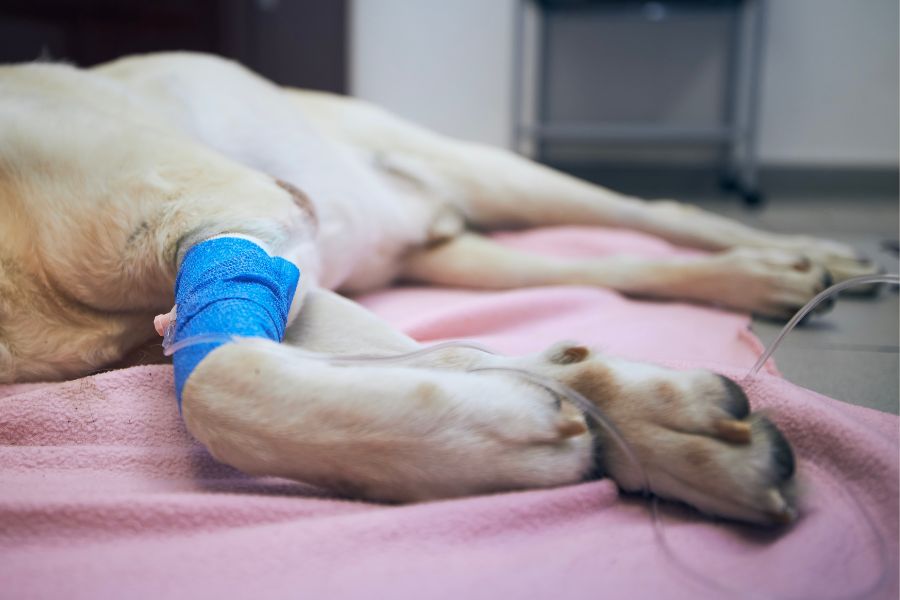
A Cruciate Ligament Rupture can change daily life for a dog and family in an instant. This guide explains what recovery looks like, how rehabilitation supports healing, what to expect from care at home, and how thoughtful pet surgery planning improves outcomes.
You will learn about timelines, comfort strategies, exercise limits, nutrition, emotional support, and follow-up visits, along with answers to common questions. The goal is to offer clear expectations and practical steps that help your dog return to confident movement. We proudly support families in Madison, WI.
Understanding the Injury
The cruciate ligament stabilizes the knee. When it tears, dogs often show limping, stiffness after rest, reduced play, and difficulty rising. Some dogs carry weight on three legs. Others appear sore yet still try to move. Large breeds, active pets, and dogs with excess weight face a higher risk. Early evaluation matters because untreated tears strain the opposite leg and surrounding joints.
Treatment Options and Planning
Care plans are tailored based on your pet’s size, age, activity level, and overall comfort. Some small or senior dogs may do well with structured rest, pain management, and guided exercise, while many medium to large dogs benefit from pet surgery to restore stability and support a safer return to normal activity.
Your care team will walk you through all available options, costs, and timelines in clear, simple terms so you can make confident decisions. With pre-visit lab work, imaging, and a personalized treatment plan, unexpected concerns are minimized. If you’re located in Madison, WI, and looking for trusted veterinary care, then schedule an appointment with us.
What Recovery Looks Like
Healing happens in phases. The first two weeks focus on comfort, swelling control, and short leash walks. Weeks three through eight build gentle strength with controlled movements. After two months, most dogs increase distance, add light hills, and practice balance work. Full return to running and play often arrives around three to four months, guided by progress checks. Each dog moves at a personal pace.
Home Care Essentials
A calm home speeds recovery. Use rugs on slippery floors. Keep stairs blocked. Offer a supportive bed. Follow medication schedules exactly. Cold packs during the first days ease swelling. Warm compresses later relax tight muscles. Keep nails trimmed for steady footing. Feed measured meals to prevent weight gain. Short, frequent potty breaks reduce strain.
Rehabilitation and Exercise
Rehabilitation blends walking plans, range-of-motion work, strengthening, and low-impact activities. Simple exercises include sit-to-stand, slow figure eights, and gentle inclines. Underwater treadmill sessions build muscle while protecting joints. Consistency matters more than intensity. Celebrate small gains. Keep sessions brief and positive. Stop any activity that causes pain or fatigue.
Nutrition and Joint Support
High-quality protein supports tissue repair. Omega-3 fats aid comfort. Joint supplements may help cartilage health. Fresh water is available at all times. Ask about ideal calorie targets since reduced activity changes needs. Steady weight protects healing knees and lowers stress on the other leg.
Emotional Well-Being
Restricted activity frustrates energetic dogs. Provide food puzzles, scent games, and short training sessions to keep minds busy. Offer praise for calm behavior. Maintain routines for feeding and bedtime. Gentle massage promotes relaxation and bonding. Watch for signs of stress like pacing or vocalizing, then adjust enrichment.
Follow-Up Visits
Rechecks track healing and guides next steps. Your team reviews gait, swelling, muscle tone, and comfort. Exercise plans evolve with progress. These visits also answer questions about ramps, harnesses, car entry, and safe play. Clear communication keeps recovery on course.
Mid-Recovery Milestones
Around the halfway point, many dogs show steadier steps and brighter spirits. This stage often brings eagerness to do more. Stay disciplined with limits. Overdoing activity delays healing. If setbacks appear, contact your clinic. Adjustments now prevent longer downtime later. This period often includes another review of pet surgery outcomes and strengthening goals for lasting mobility.
Long-Term Outlook
Most dogs regain happy, active lives. Some develop arthritis over time, which responds to weight control, supplements, and periodic therapy. Routine checkups, thoughtful play choices, and simple strength games keep muscles engaged and confidence high every day. Protect both knees with regular exercise, safe play surfaces, and prompt care for new limps. A thoughtful plan supports years of mobility.
Conclusion
Life after injury calls for patience, structure, and teamwork. With a clear plan, loving home care, and professional guidance, most dogs return to joyful routines. If your dog faced a Cruciate Ligament Rupture, timely pet surgery or conservative care, followed by steady rehabilitation, offers a strong path forward.
We, Truesdell Animal Care Hospital & Clinic, are conveniently located in Madison, WI, and welcome you to our location at 4214 Milwaukee St, Madison, WI 53714 — where compassionate care and community come together for your pet’s well-being.
Frequently Asked Questions(FAQs):
1. How long does recovery usually take?
A: Recovery varies by size, treatment choice, and commitment to home care. Many dogs walk comfortably within weeks and return to fuller activity in three to four months. Your care team personalizes timelines based on progress and comfort.
2. Will my dog need rehabilitation therapy?
Many dogs benefit from guided rehab to rebuild strength and coordination. Therapy speeds safe progress, reduces stiffness, and boosts confidence. Programs adapt to each dog, blending at-home exercises with clinic sessions for steady gains.
3. Can my dog walk during recovery?
Yes, short leash walks start early, focused on calm, straight paths. Distance increases gradually. No running, jumping, or rough play until cleared. Structured walks protect healing tissue and build strength.
4. What signs mean I should call the clinic?
Call if you notice swelling that worsens, sudden limping, loss of appetite, vomiting, incision redness, or behavior changes. Quick check-ins address small issues before they grow and keep recovery moving forward.
5. Does weight affect healing?
Yes. Extra pounds add stress to healing joints and slow progress. Measured meals, treats in moderation, approved low-impact activity, and regular weigh-ins support better outcomes and protect the opposite knee.
6. Could the other knee be affected?
Some dogs strain the opposite knee during recovery. Balanced exercise, weight control, gradual progress, and careful footing reduce risk. Report any new limps right away so plans can adjust promptly.